Dental implant failure is not common, but it is a real possibility that every patient considering this restorative procedure should understand. When a dental implant fails, it typically involves the implant losing its integration with the jawbone, leading to instability, discomfort, or infection. The good news is that most implant failures are treatable, and with prompt professional care, many patients are able to receive a successful replacement.
If you are currently experiencing discomfort around an existing implant or are researching your options, visiting a dental clinic with experience in implant therapy is the most important first step.
What Is Dental Implant Failure?
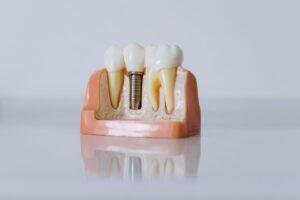
A dental implant is a titanium post surgically placed into the jawbone to serve as an artificial tooth root. Over time, the bone fuses around the post in a process called osseointegration. Implant failure occurs when this fusion does not happen correctly or when the implant loses its bond with the bone after successful initial healing.
Failures are generally classified into two categories. Early failure occurs within the first few months of placement, usually during the osseointegration phase. Late failure occurs months or years after successful integration and is often linked to infection, bone loss, or trauma.
Common Signs That a Dental Implant May Be Failing
Identifying failure early can make a significant difference in outcomes. Watch for the following symptoms:
- Persistent or worsening pain around the implant site
- Noticeable movement or wobbling of the implant
- Swelling, redness, or discharge near the gum line
- Difficulty chewing that was not present before
- Receding gum tissue around the implant
- Numbness or a tingling sensation in surrounding teeth or gums
Some mild discomfort in the days immediately following surgery is normal. However, pain that intensifies or does not resolve within a few weeks is a reason to contact your dental provider promptly.
Why Do Dental Implants Fail?
Understanding the root causes of failure helps patients make informed decisions before and after their procedure.
Peri-Implantitis
Peri-implantitis is an inflammatory condition affecting the gum and bone tissue surrounding an implant. Similar to periodontitis in natural teeth, it is one of the leading causes of late implant failure. Bacterial buildup along the gum line triggers an immune response that, if untreated, leads to progressive bone loss around the implant.
Patients who have a history of gum disease should discuss their risk factors openly with their provider before pursuing restorative dentistry options such as implants.
Insufficient Bone Density
Implants require adequate bone volume and density to anchor securely. Patients who have experienced bone resorption due to long-term tooth loss, gum disease, or other conditions may not be suitable candidates without preparatory bone grafting.
Systemic Health Conditions
Certain conditions can impair healing and reduce implant success rates. These include uncontrolled diabetes, autoimmune disorders, and osteoporosis. Medications such as bisphosphonates, often prescribed for bone density conditions, have been associated with a complication called osteonecrosis of the jaw, which can affect implant outcomes.
Smoking
Tobacco use significantly reduces blood flow to oral tissues and impairs the body’s ability to heal. Smokers face a substantially higher risk of implant failure compared to non-smokers and are typically advised to quit before and after surgery.
Surgical or Mechanical Complications
Implant placement is a precise procedure. Poor positioning, inadequate torque during placement, or complications with the prosthetic crown can contribute to early failure. Overloading an implant before osseointegration is complete is another contributing factor.
Poor Oral Hygiene
Failure to maintain proper brushing, flossing, and professional cleanings around an implant creates conditions favorable to bacterial infection. The family dentistry team at your clinic can guide you on proper implant care as part of your ongoing maintenance plan.
What Happens If an Implant Fails: Step-by-Step
- Symptom recognition: The patient notices pain, movement, or swelling around the implant site.
- Professional assessment: The dentist performs a clinical examination and takes X-rays or CBCT imaging to evaluate bone levels and implant position.
- Diagnosis of failure type: The provider determines whether the issue is early or late failure.
- Removal if necessary: In most confirmed cases of failure, the implant must be carefully removed to prevent further bone loss or infection.
- Treatment of the site: The area is thoroughly cleaned and treated, often including antibiotics or advanced debridement.
- Healing period: Patients typically need several months for the site to heal before reimplantation can be considered.
- Bone grafting if needed: If bone loss has occurred, a graft may be required to rebuild the site before a new implant can be placed.
- Reimplantation: Many patients successfully receive a replacement implant after the site has healed and sufficient bone is present.
Can a Failed Implant Be Replaced?
In most situations, yes. Replacement implant success rates are generally comparable to initial placement when the cause of failure is identified and properly addressed. Factors such as improved oral hygiene, smoking cessation, and management of systemic conditions play a major role in the outcome.
A thorough consultation with an experienced provider is essential before proceeding with reimplantation.
Implant Failure vs. Normal Post-Surgical Discomfort
A common concern is distinguishing between expected post-operative symptoms and signs of failure. Here is a simple comparison:
| Normal Healing | Possible Failure |
|---|---|
| Mild soreness for 3 to 5 days | Pain worsening after 1 week |
| Minor swelling that subsides | Persistent or spreading swelling |
| Slight bleeding immediately post-op | Discharge or bleeding after healing begins |
| Temporary sensitivity | Implant movement or instability |
If you are uncertain about which category your symptoms fall into, seek professional evaluation without delay.
How to Reduce the Risk of Implant Failure
Prevention is always preferable to treatment. The following measures can significantly reduce failure risk:
- Attend all follow-up appointments during the healing period
- Maintain meticulous oral hygiene around the implant and adjacent teeth
- Avoid smoking throughout the healing process and ideally beyond
- Follow all dietary restrictions provided by your dental team after surgery
- Address any signs of infection or discomfort promptly rather than waiting
- Manage underlying health conditions with your physician
If you are ever in acute pain or notice sudden changes around an implant, contact an emergency dentist as soon as possible. Prompt care can mean the difference between saving and losing the implant.
The Role of Dental Imaging in Diagnosing Failure
Dental X-rays and cone beam CT scans play a critical role in assessing the health of an implant and the surrounding bone. These tools allow your dental team to measure bone levels, detect infections, and evaluate implant positioning with high precision. Regular imaging throughout the lifespan of an implant helps catch problems before they become serious.
Clinics registered with the Royal College of Dental Surgeons of Ontario (RCDSO) follow strict imaging and diagnostic protocols to ensure patient safety and accurate assessment.
When Other Restorative Options May Be Considered
For patients who are not suitable for reimplantation, alternative tooth replacement options include fixed dental bridges, removable partial dentures, and implant-supported overdentures for full arch restoration.
A qualified dentist in Richmond Hill can evaluate your bone density, overall health, and preferences to recommend the most appropriate solution. Procedures such as root canal treatment and porcelain veneers may also be discussed as part of a broader treatment plan addressing your full oral health needs.
If tooth loss in other areas of the mouth requires attention, the wisdom tooth extraction and surgical services at Hummingbird Dental are available to address related concerns. For families with younger patients, the pediatric dentistry program helps establish healthy habits that support long-term oral health for every member of the family.
Choosing the Right Clinic for Implant Care
Not all dental clinics offer the same level of expertise in implant placement and long-term maintenance. When selecting a provider, consider their experience with implant cases, the technology they use for diagnostics, and whether they offer comprehensive follow-up care.
Hummingbird Dental, located at 10376 Yonge St #202, Richmond Hill, ON L4C 3B8, is one of the most trusted dental clinics in Richmond Hill, having received the Top Choice Award for Best Dentist in Richmond Hill in 2022, 2023, 2024, and 2025. The clinic is open six days a week with extended weekday evening hours and Saturday appointments, making it easy to access care when you need it.
The team at Hummingbird Dental provides care in English, Persian, Russian, Portuguese, Hindi, and Urdu, serving the diverse community of Richmond Hill with sensitivity and expertise. The clinic welcomes new patients and CDCP patients. You can reach them by phone at +1 647-370-2024 or by email at info@hummingbirddental.ca.
Whether you are concerned about a current implant, need a routine check, or are exploring cosmetic dentistry options to complement your smile, the team is ready to help.
Frequently Asked Questions
Q1: How common is dental implant failure? Studies suggest that the overall success rate of dental implants ranges from 90 to 95 percent over a 10-year period. Failure rates vary depending on the patient’s health, the location of the implant, and the skill of the surgical team.
Q2: Does a failing implant always need to be removed? Not always in the very early stages. However, once an implant has fully lost its bond with the bone or developed a significant infection, removal is usually necessary to protect surrounding tissue and allow for future reimplantation.
Q3: How long does it take to heal after a failed implant is removed? Healing time varies but typically ranges from three to six months before the site is ready for reimplantation. If bone grafting is required, the timeline may be longer.
Q4: Can smoking cause an implant to fail years after placement? Yes. Smoking reduces blood circulation in gum tissue and increases susceptibility to infection at any stage of the implant’s life. Continued smoking after successful osseointegration still raises the risk of late implant failure.
Q5: Is implant failure covered by dental insurance? Coverage depends on your insurance plan and the reason for failure. Some plans cover the cost of removal and bone grafting, while replacement implants may require a separate claim. It is best to speak directly with your insurer and your dental provider about your specific situation.
Conclusion
Dental implant failure is manageable when diagnosed early and treated by experienced professionals. Knowing the warning signs, understanding the causes, and acting quickly give patients the best chance of a successful outcome. If you have any concerns about an existing implant or are considering implant therapy, consult a trusted dental clinic in Richmond Hill to receive personalized, evidence-based guidance tailored to your individual oral health needs.