Tooth sensitivity after whitening is one of the most common side effects patients experience, and the good news is that it is temporary and very manageable. It happens because the whitening agents, typically hydrogen peroxide or carbamide peroxide, temporarily open the microscopic pores in your enamel, allowing the bleaching gel to reach the dentin layer beneath. This exposure to the dentin is what causes that sharp, shooting sensation when you eat or drink something hot, cold, or sweet.
If you have recently whitened your teeth and are dealing with sensitivity, you are not alone. Many patients at a trusted Dental Clinic in Richmond Hill report the same concern after their first whitening session. The sensitivity typically begins within a few hours of treatment and can last anywhere from 24 to 72 hours. In most cases, it resolves on its own without any medical intervention.
Understanding why this happens and knowing the right steps to take can make the experience far more comfortable. Whether you received an in-office whitening treatment or used an at-home kit, the management approach is largely the same. If you are looking for professional guidance on Dental Care in Richmond Hill, it is always a good idea to speak with a qualified dental professional before and after any whitening procedure.
The key to fixing sensitivity fast lies in a combination of the right toothpaste, smart dietary choices, and proper timing between whitening sessions. If you are a patient of Hummingbird Dental Clinic, your dental team can also recommend specific in-office desensitizing treatments that provide immediate relief.
Why Does Whitening Cause Tooth Sensitivity
The Science Behind the Sensitivity
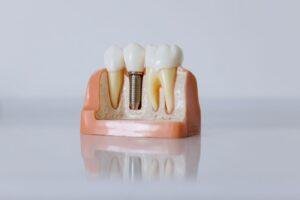
Tooth sensitivity after whitening is not a sign that something went wrong. It is a predictable biological response. Your teeth are covered by enamel, a hard outer layer that protects the softer dentin underneath. Dentin contains thousands of tiny tubules that connect to the nerve of your tooth. When whitening agents temporarily penetrate the enamel, these tubules become exposed, and stimuli like temperature or pressure travel more easily to the nerve.
The degree of sensitivity you experience depends on several factors:
- The concentration of the whitening agent used
- How long the whitening gel was left on your teeth
- The baseline sensitivity of your teeth before treatment
- Whether you have any existing enamel erosion or gum recession
- The frequency of your whitening sessions
Who Is More Likely to Experience Sensitivity
Some people are simply more prone to post-whitening sensitivity than others. You are more likely to experience significant discomfort if:
- You already have sensitive teeth before whitening
- You have thin enamel
- You have gum recession that exposes the root surfaces
- You have untreated cavities or cracked teeth
- You used a high-concentration whitening gel for an extended period
This is why a professional consultation before whitening is so important. A Dentist in Richmond Hill can examine your mouth and determine whether whitening is appropriate for you and which method is safest given your dental health.
How to Fix Tooth Sensitivity After Whitening Fast
Step 1: Switch to a Desensitizing Toothpaste
The single most effective over-the-counter solution for post-whitening sensitivity is a desensitizing toothpaste. These products contain active ingredients like potassium nitrate or stannous fluoride, which work by blocking the open dentinal tubules and calming the tooth nerve over time.
Start using a desensitizing toothpaste at least two weeks before your whitening session and continue using it for at least one to two weeks afterward. You can also apply a small amount directly to your sensitive teeth and leave it on for a few minutes before rinsing for faster relief.
Step 2: Avoid Trigger Foods and Drinks
Immediately after whitening, your teeth are in a vulnerable state. Avoiding the following for at least 48 hours can make a significant difference:
- Very hot beverages such as coffee, tea, and soup
- Very cold items such as ice cream, ice water, and frozen drinks
- Acidic foods and drinks such as citrus fruits, sodas, and vinegar-based dressings
- Sweet or sticky foods that may aggravate sensitivity
Stick to lukewarm water, room-temperature foods, and soft items that do not require heavy chewing. This gives your enamel time to re-mineralize and the tubules time to close.
Step 3: Use a Soft-Bristled Toothbrush
During the recovery period, swap your regular toothbrush for a soft-bristled one. Brushing too hard or using a medium or firm brush can further irritate sensitive dentin and prolong discomfort. Use gentle, circular motions and avoid pressing too hard against the gum line.
Step 4: Take an Over-the-Counter Pain Reliever if Needed
If the sensitivity is significant, an over-the-counter anti-inflammatory such as ibuprofen can help manage the discomfort. Always follow the recommended dosage instructions and consult your pharmacist or dentist if you have any health conditions that may be affected by such medications.
Step 5: Apply Fluoride Treatments
Fluoride strengthens enamel and helps seal the dentinal tubules. Many dental offices offer fluoride treatments as a post-whitening step specifically to reduce sensitivity. You can also use fluoride-containing mouthwash or fluoride gel at home, applied with a tray or a cotton swab, to accelerate recovery.
If you are looking for professional Teeth Whitening in Richmond Hill, the team at Hummingbird Dental Clinic routinely applies post-whitening fluoride to minimize discomfort for their patients.
Common Mistakes Patients Make After Whitening
Even with the best intentions, many patients unintentionally make their sensitivity worse. Here are the most frequent mistakes to avoid:
Whitening too frequently: Repeating whitening sessions before your teeth have had time to recover is one of the most common causes of prolonged sensitivity. Most dental professionals recommend spacing sessions at least four to six weeks apart.
Skipping the desensitizing toothpaste: Many patients only start using desensitizing toothpaste after the sensitivity begins. Using it proactively before and after whitening is far more effective.
Eating staining foods immediately after: The first 48 hours after whitening are when your teeth are most porous. Consuming coffee, red wine, curry, or berries during this window can both stain your teeth and increase irritation.
Using whitening strips on damaged teeth: Whitening strips should never be applied over cavities, cracked teeth, or areas with significant gum recession. Doing so can cause intense pain and may worsen the underlying condition.
Ignoring persistent sensitivity: While short-term sensitivity is normal, sensitivity that lasts longer than a week or is accompanied by sharp spontaneous pain may indicate a deeper issue such as an exposed nerve or a cracked tooth. This warrants a professional evaluation.
Professional Treatments for Severe Sensitivity
If over-the-counter solutions are not providing adequate relief, your dentist has several professional options available:
In-Office Desensitizing Agents
Dentists can apply professional-strength desensitizing agents directly to the affected teeth. These products, such as potassium oxalate or calcium sodium phosphosilicate gels, work rapidly to block the dentinal tubules and provide significant relief within a single appointment.
Fluoride Varnish
Fluoride varnish is a concentrated fluoride treatment applied directly to the teeth by a dental professional. It forms a protective barrier that significantly reduces sensitivity and strengthens the enamel at the same time.
Bonding Agents
In cases where enamel erosion or gum recession is contributing to sensitivity, your dentist may recommend applying a dental bonding agent to exposed dentin surfaces. This effectively seals the area and reduces the transmission of stimuli to the nerve.
Prevention Tips for Future Whitening Sessions
The best approach to post-whitening sensitivity is prevention. Here is how to minimize discomfort during your next whitening cycle:
- Always consult a dental professional before starting any whitening treatment
- Begin using desensitizing toothpaste two to three weeks before whitening
- Opt for lower-concentration whitening products if you have naturally sensitive teeth
- Do not exceed the recommended application time for at-home whitening products
- Avoid back-to-back whitening sessions
- Maintain excellent oral hygiene to keep your enamel strong and healthy
- Drink plenty of water during and after whitening sessions
Hummingbird Dental Clinic, located at 10376 Yonge St #202, Richmond Hill, ON L4C 3B8, Canada, offers comprehensive pre-whitening assessments to help patients understand their sensitivity risk and choose the most appropriate whitening method. You can reach them at (647) 370-2024 or by email at info@hummingbirddental.ca. Recognized as one of the best dental clinics in Richmond Hill, the team takes a personalized approach to cosmetic dental care.
When to See a Dentist About Post-Whitening Sensitivity
You should contact your dentist if:
- Sensitivity lasts longer than seven days
- You experience spontaneous pain without any trigger
- The pain is sharp, shooting, or severe
- You notice increased pain when biting or chewing
- You see any visible changes to your teeth or gums, such as white spots or bleeding
These symptoms may point to something beyond normal post-whitening sensitivity and require a proper clinical examination to diagnose and treat effectively.
Frequently Asked Questions
Q1: How long does tooth sensitivity after whitening typically last? Post-whitening sensitivity usually lasts between 24 and 72 hours. In most cases, it begins to improve within the first day and resolves completely within three days. If it persists beyond a week, consult your dentist.
Q2: Can I whiten my teeth if I already have sensitive teeth? Yes, but you should take extra precautions. Use a desensitizing toothpaste for two to three weeks before whitening, choose a lower-concentration product, and consult your dentist beforehand to ensure your teeth and gums are healthy enough for whitening.
Q3: Is it safe to use whitening strips if I have sensitive teeth? Whitening strips can be used with sensitive teeth, but you should opt for strips designed specifically for sensitive teeth, which use a lower concentration of peroxide. Always follow the instructions carefully and do not leave them on longer than recommended.
Q4: Does in-office whitening cause more sensitivity than at-home whitening? In-office whitening uses higher concentrations of whitening agents, which can sometimes cause more intense but shorter-lived sensitivity. At-home whitening uses lower concentrations applied over a longer period, which may produce a more gradual onset of sensitivity. Your dentist can help you choose the method that is best suited to your sensitivity level.
Q5: What foods should I avoid immediately after whitening? Avoid hot and cold foods and drinks, acidic items such as citrus fruits and carbonated beverages, dark-colored foods and drinks such as coffee, red wine, and berries, and anything sticky or sweet. Stick to a white or light-colored diet for at least 48 hours after whitening.
Conclusion
Tooth sensitivity after whitening is a common and manageable side effect that typically resolves within a few days. Using desensitizing toothpaste, avoiding trigger foods, staying hydrated, and following professional aftercare advice are the most effective steps you can take to recover quickly. For those who experience persistent or severe sensitivity, professional dental care is available and highly effective. Always consult a qualified dental professional before and after whitening to ensure you are caring for your teeth in the safest and most effective way possible.