
A brighter smile, safely whitened under a dentist’s care
Coffee, tea, red wine and time all leave their mark on enamel. Professional whitening at Hummingbird Dental lifts those stains with stronger, better fitting treatments than store bought kits, while protecting your gums and keeping sensitivity under control.
Results vary from person to person. Most patients see their teeth become several shades lighter.
Why choose professional whitening?
Whitening strips and toothpastes from the pharmacy can help a little, but they use lower strength gels, one size fits all trays and no supervision. Gel often leaks onto the gums, coverage is uneven, and results can be patchy or short lived.
Professional whitening starts with an exam and a cleaning, so the gel works on clean enamel rather than plaque and tartar. We check for cavities, gum problems and worn enamel that could make whitening uncomfortable, and we choose a strength and method that suits your teeth. The result is a more even, longer lasting brightness with far less guesswork.
For a wider look at smile improvements, visit our cosmetic dentistry page.
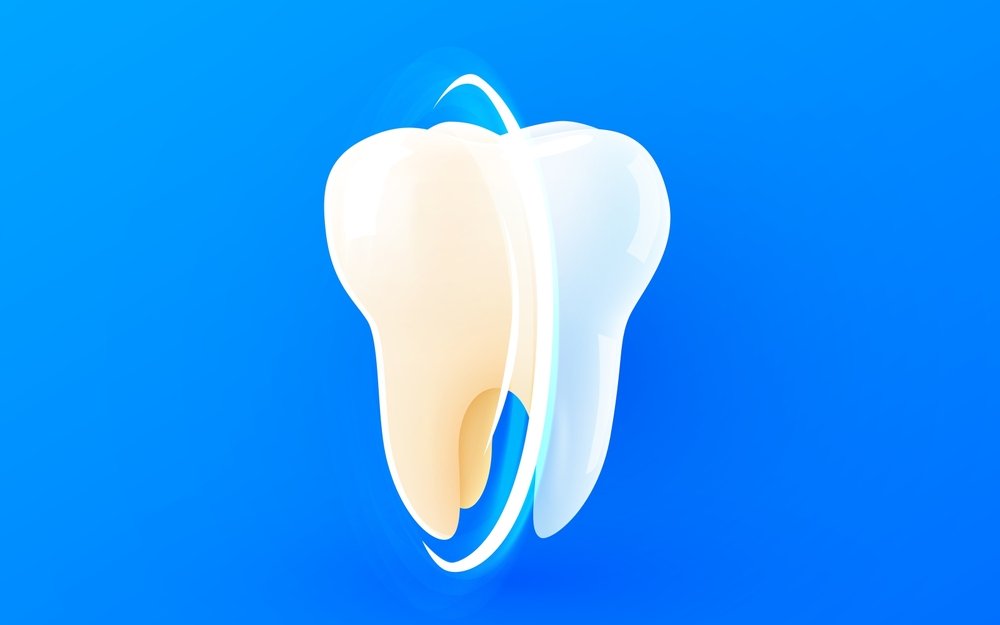
In office whitening or take home trays
Whitening at the clinic
A higher strength gel is applied to your teeth while your gums are carefully protected. Treatment is completed in a single visit, so you leave with a noticeably brighter smile the same day.
- Visit length
- About 1 to 2 hours
- Results
- Same day
- Best for
- Special events and fast results
Custom whitening trays
We take impressions and make thin trays that fit your teeth exactly. You wear them with a professional gel at home for a set time each day, gradually lightening your teeth.
- Daily wear
- As directed, often 30 to 60 minutes
- Results
- Over about 1 to 2 weeks
- Best for
- Sensitive teeth and touch ups
Many patients combine both: a session in the clinic for a quick start, then custom trays to maintain results over time. Read store bought vs in office whitening for more detail.
What causes teeth to change colour
Understanding the type of stain helps us predict how well whitening will work.
| Type of discolouration | Common causes | How well whitening helps |
|---|---|---|
| Surface stains | Coffee, tea, red wine, cola, berries, smoking | Usually responds very well |
| Age related yellowing | Enamel thins over time and the yellower layer underneath shows through | Responds well |
| Grey or blue tints | Some antibiotics taken in childhood, excess fluoride | Improves slowly, sometimes only partly. See antibiotic stains |
| A single dark tooth | Injury or a tooth that has had a root canal | Needs a different approach, such as internal whitening or a crown |
| Fillings, crowns and veneers | Restorations do not change colour with bleach | Not affected. They may need replacing to match |
Is teeth whitening right for you?
Usually a great candidate
- Healthy teeth and gums
- Yellow or brown surface staining
- No large fillings or crowns on front teeth
- Realistic expectations about the final shade
Better to wait or choose another option
- Pregnant or breastfeeding
- Untreated cavities or gum disease
- Very sensitive teeth or exposed roots
- Front teeth with crowns, veneers or bonding that you want to match
- Children and young teens
If whitening is not the right fit, dental bonding or porcelain veneers can change the colour and shape of teeth in a different way.
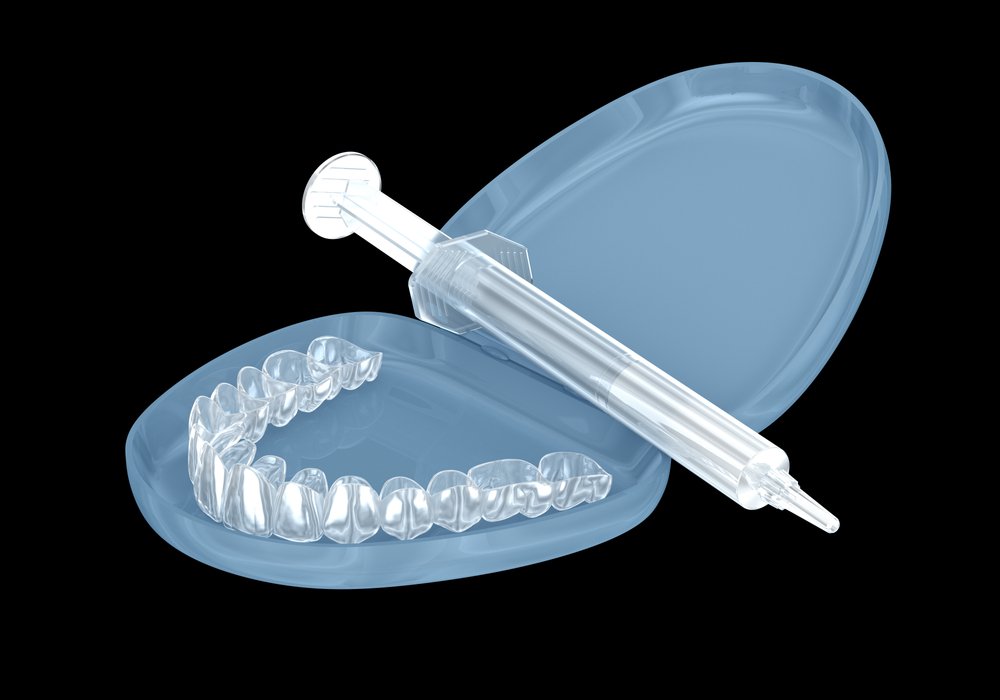
Managing sensitivity during whitening
Temporary sensitivity is the most common side effect of whitening. It usually feels like a brief zing with cold drinks or air and fades within a day or two after treatment ends. We take several steps to keep it to a minimum:
- Choosing the right gel strength for your teeth
- Using desensitizing gel before or after treatment
- Recommending a toothpaste for sensitive teeth for two weeks beforehand
- Spacing out take home sessions if your teeth need a break
Our dentists are registered with the Royal College of Dental Surgeons of Ontario (RCDSO), and whitening is always provided after an exam so we can make sure it is safe for you.
What happens during in office whitening
- Shade check. We record your starting shade with a shade guide and photos, so you can see the difference afterwards.
- Polish. Teeth are lightly polished to remove surface film and help the gel work evenly.
- Protection. Lips and cheeks are held back comfortably, and a protective barrier is placed over your gums.
- Whitening gel. The gel is applied to the front surfaces of your teeth and left for a set time, then refreshed for further rounds as needed.
- Rinse and review. We remove the gel, check your new shade and apply a desensitizer if needed.
- Aftercare. You go home with simple instructions for the next 48 hours and advice on keeping your results.
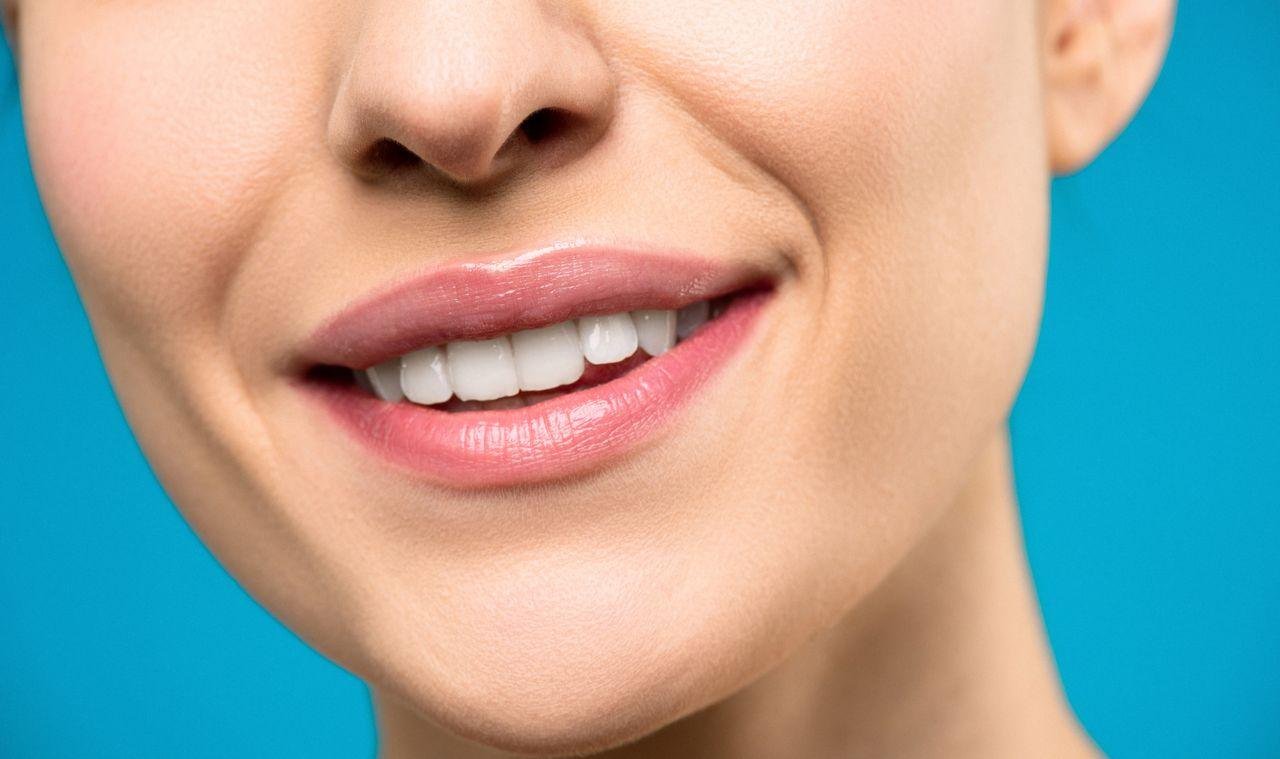
Planning whitening before a wedding or big event
If you want to look your best in photos, timing matters. We suggest booking a consultation and cleaning about four to six weeks before the event. That leaves room to treat any small cavities, start whitening, and let your shade settle. Teeth can look slightly brighter in the first day or two after whitening, then relax a little before stabilizing.
If you are planning other cosmetic work, such as bonding on a chipped tooth or replacing an old filling on a front tooth, whitening usually comes first. We then match the new restorations to your brighter shade about two weeks later, once the colour has stabilized.
Common whitening myths
“Charcoal toothpaste whitens teeth”
Charcoal products are abrasive and can wear enamel over time, which may make teeth look more yellow in the long run. There is little evidence they whiten beyond removing surface stains.
“Lemon juice or baking soda work just as well”
Acidic home remedies soften enamel and can cause erosion and sensitivity. They are not a safe substitute for professional whitening.
“Whitening once lasts forever”
Teeth naturally pick up new stains over time. Good habits and occasional touch ups keep your smile bright.
“Whiter is always better”
A natural, healthy looking shade usually looks best. We help you choose a result that matches your skin tone and the whites of your eyes.
How to make your results last
48 hour white diet
For two days after whitening, avoid coffee, tea, red wine, curry, soy sauce and berries while enamel settles.
Use a straw
For iced coffee and dark drinks, a straw keeps much of the colour away from your front teeth.
Rinse after meals
A quick rinse with water after staining foods washes away pigment before it can settle.
Keep up cleanings
Regular hygiene visits polish away new surface stains and keep teeth looking fresh.
Touch up when needed
Use your custom trays for a short top up every few months to keep your shade.
Avoid smoking
Tobacco stains quickly and affects gum health. Read about smoking and whitening.
Whitening as part of a healthy smile plan
Whitening works best as one step in a bigger picture of oral health. Before any cosmetic treatment, we make sure your teeth and gums are healthy, because whitening over an untreated cavity or inflamed gums can cause discomfort and uneven results. During your consultation, we look at your full smile and talk about what you would like to change. Sometimes whitening alone gives you exactly what you want. Other times, a combination of whitening, repairing a chipped tooth and replacing an old filling creates a more balanced result.
Because whitening is a cosmetic treatment, most dental insurance plans do not cover it, though the exam and cleaning beforehand are often covered. We will explain your options clearly before you decide, and we never pressure you into treatment. Patients visit us for whitening from across Richmond Hill, Thornhill, Markham, Vaughan and Aurora.
Who we see for whitening
Our whitening patients range from young professionals preparing for job interviews and brides and grooms planning wedding photos, to retirees who simply want their smile to look as fresh as they feel. Many are long time coffee or tea drinkers who have noticed gradual yellowing. Others have recently finished orthodontic treatment and want to complete their new smile with a brighter shade. Whatever your reason, the process starts the same way: an honest conversation about your goals, a careful check of your oral health, and a whitening plan built around your teeth, your sensitivity and your schedule.
Your whitening questions answered
How long does professional teeth whitening last?
Results usually last from several months to a few years, depending on your diet, habits and how often you do touch ups. Avoiding heavy staining foods and drinks helps results last longer.
Does teeth whitening damage enamel?
When done under dental supervision with professional products, whitening is considered safe for enamel. Overuse of strong products without guidance is what causes problems, which is why we tailor the treatment to you.
Will whitening work on my crowns or fillings?
No. Whitening gels only lighten natural tooth enamel. If you have visible restorations, we can plan to replace them after whitening so they match your new shade.
How white will my teeth get?
Most people see a clear improvement of several shades. The final result depends on your natural tooth colour, the type of staining and the method used. We aim for a bright, natural look that suits your face.
Is whitening painful?
Whitening itself is not painful. Some people feel temporary sensitivity, which we manage with gel strength, desensitizers and timing.
Can I whiten my teeth if I have sensitive teeth?
Often yes. Take home trays with a gentler gel, plus a desensitizing toothpaste, usually work well. We assess the cause of your sensitivity first.
Ready for a brighter smile?
Book a whitening consultation at Hummingbird Dental Clinic, 10376 Yonge Street, Unit 202, Richmond Hill. We will check your teeth, talk through your goals and recommend the best approach.