
Happy visits, healthy teeth and kids who are not afraid of the dentist
We help children in Richmond Hill build strong teeth and good habits from their very first tooth through their teenage years, with gentle care that keeps visits positive.
Children are not small adults. Their teeth, jaws and feelings need a different approach, and our team takes the time to make every child feel safe, seen and proud of their smile.

Why baby teeth matter more than most parents think
It is easy to assume baby teeth are not important because they fall out anyway. In reality, they hold space for adult teeth, guide them into the right position, and help children chew properly and learn to speak clearly. Some back baby teeth stay in place until age eleven or twelve.
Tooth decay is one of the most common chronic conditions in childhood, and it is largely preventable. A cavity in a baby tooth can cause pain, trouble eating and sleeping, infections that affect the adult tooth underneath, and missed school days. Early visits let us find problems while they are tiny and teach habits that stop them from starting at all. For a simple guide, read how to care for your little one’s milk teeth.
Your child’s dental milestones
First tooth
Wipe gums after feeds and brush the first tooth with a smear of fluoride toothpaste the size of a grain of rice.
First visit
A quick, friendly look at the teeth and gums, and tips on bottles, sippy cups and teething.
Habit building
Regular checkups, fluoride varnish and help with brushing twice a day. Start flossing when teeth touch.
Mixed teeth
Adult molars arrive. Sealants protect their deep grooves, and we watch how the bite develops.
Teen years
Sports guards, orthodontic checks, wisdom tooth monitoring and more independence with care.
What happens at your child’s first visit
A first dental visit should be short, calm and fun. For very young children, the exam often happens with the child sitting on a parent’s lap, knee to knee with the dentist. We count teeth, look at the gums and bite, and check for any early signs of decay.
For older children, we introduce the chair, the light and the tools before using them, using simple words like “tooth counter” and “tooth tickler”. If your child is comfortable, we polish their teeth and may apply fluoride varnish. If they are not ready, that is completely fine. We would rather build trust over two or three visits than rush.
Wondering about timing? Read when is the right time to bring your child to a dentist.
Tips to prepare your child
- Book a morning appointment when your child is rested
- Read a picture book about visiting the dentist
- Use positive words and avoid “hurt” or “needle”
- Let them bring a favourite toy
- Stay calm. Children pick up on parents’ feelings
- Praise them afterwards, whatever happened
Pediatric dental care we provide
Checkups and cleanings
Gentle exams and cleanings every six months to keep teeth healthy and spot problems early.
Fluoride varnish
A quick, painless coating that strengthens enamel and helps prevent cavities.
Dental sealants
Thin protective coatings painted into the grooves of back teeth, where most childhood cavities start.
Child friendly fillings
Tooth coloured fillings to repair cavities in baby and adult teeth.
X-rays when needed
Low dose X-rays only when they are needed to see between teeth or check development. See do children need dental X-rays.
Emergency care
Help for toothaches, chipped teeth and injuries. See emergency dentistry.
When baby teeth come in
Every child is different, and a few months early or late is usually normal. This chart shows the typical order and timing of baby teeth.
| Teeth | Usually come in | Usually fall out |
|---|---|---|
| Lower front teeth (central incisors) | 6 to 10 months | 6 to 7 years |
| Upper front teeth (central incisors) | 8 to 12 months | 6 to 7 years |
| Side front teeth (lateral incisors) | 9 to 16 months | 7 to 8 years |
| First molars | 13 to 19 months | 9 to 11 years |
| Canines | 16 to 23 months | 9 to 12 years |
| Second molars | 23 to 33 months | 10 to 12 years |
Ask us if no teeth have appeared by 18 months, or if baby teeth are lost much earlier than expected.
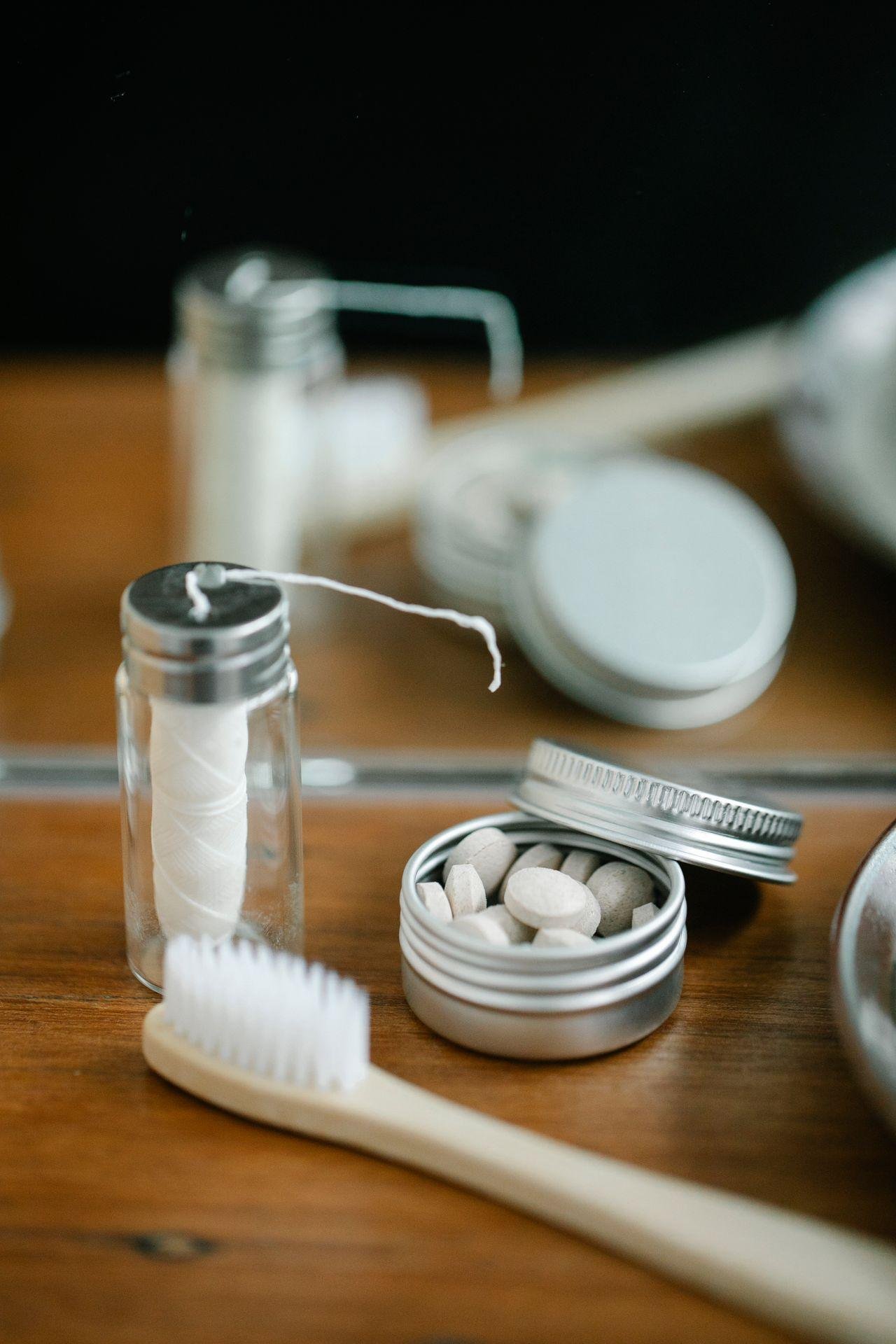
Preventing cavities in young children
- Brush twice a day. Use a rice grain smear of fluoride toothpaste under age three and a pea sized amount from age three. Help with brushing until about age seven or eight.
- No bottles in bed. Milk or juice pooling around teeth overnight causes early childhood decay. Read how to prevent tooth decay in babies.
- Water between meals. Keep juice and sweet snacks to mealtimes and offer water when thirsty.
- Floss when teeth touch. Floss picks make it easier for small mouths. See cleaning and flossing baby teeth.
- Choose snacks wisely. Cheese, vegetables and fruit are better choices than crackers, chips and sticky treats.
Thumb sucking, pacifiers and teething
Sucking on a thumb or pacifier is a normal way for babies to soothe themselves, and most children stop on their own between two and four years of age. If the habit continues once adult front teeth start to come in, it can push teeth forward and affect the bite. We can suggest gentle ways to help your child stop, such as praise charts and replacing the habit at bedtime with a comfort object.
Teething can make babies fussy, drool more and want to chew on everything. A clean, chilled (not frozen) teething ring or gently rubbing the gums with a clean finger usually helps. Avoid teething necklaces, which are a choking and strangulation risk, and numbing gels unless your doctor recommends them.
If your child is nervous
Some children are anxious because of a past experience, sensory sensitivities or simply a fear of the unknown. Tell us when you book. We can schedule a quieter time of day, allow extra time, use a tell, show and do approach and agree on a hand signal so your child can ask for a break at any point.
Building confidence, one visit at a time
Our goal is for every child to leave feeling proud. We celebrate small wins, like opening wide or sitting in the big chair for the first time, and we never force treatment on a frightened child. For children with special needs, we are happy to talk with you beforehand about what helps them feel safe, whether that is dimmed lights, noise cancelling headphones or a familiar routine.
Many parents tell us their child now asks when the next dentist visit is. That kind of trust is worth far more than finishing everything in one appointment.
Protecting young smiles during sports
Falls, collisions and flying balls cause many childhood dental injuries. A mouth guard is one of the simplest ways to protect teeth in hockey, basketball, soccer, martial arts and skateboarding. Custom guards made from impressions of your child’s teeth fit better and are more comfortable than boil and bite versions, so children are more likely to keep them in. Because children grow quickly, guards should be checked at every visit and replaced when they no longer fit.
If an injury does happen, stay calm and call us right away. Our guide on knocked out teeth explains the first steps.
More answers for parents
Questions parents ask us
When should my child first see a dentist?
The Canadian Dental Association recommends a first visit by age one, or within six months of the first tooth appearing. Early visits focus on prevention and helping your child feel comfortable.
How often should children have dental checkups?
Most children should be seen every six months. If your child has a higher risk of cavities, we may suggest more frequent visits and extra fluoride.
Is fluoride safe for children?
Yes, in the right amounts. A rice sized smear of fluoride toothpaste for children under three and a pea sized amount from age three is recommended. Professional fluoride varnish is safe and very effective.
Do cavities in baby teeth need to be filled?
Usually yes. Untreated cavities can cause pain and infection and can damage the adult tooth developing underneath. Small cavities are often quick to fix, and some very early spots can be managed with fluoride.
Are dental sealants worth it?
Sealants are a simple, painless way to protect the deep grooves of permanent molars, where most childhood cavities start. They are usually placed soon after the six year and twelve year molars come in.
Does the Canadian Dental Care Plan cover children?
The CDCP covers eligible children, and we accept it at our clinic. Many private plans also cover preventive care for children. Our team can help you check your coverage.
Give your child a great start
Book your child’s first visit or next checkup at Hummingbird Dental Clinic, 10376 Yonge Street, Unit 202, Richmond Hill.