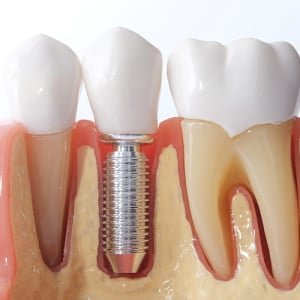
cosmetic purposes. Dental crown in Richmond hill is something you might need. A lot of work goes into creating the ideal smile for your face. Sometimes you may need a combination of more than one procedure to achieve the look that you desire. Our dentist will walk with you every step of the way guiding on the various options available for your particular dental needs.
Tooth crown types
We use a variety of materials to create tooth crowns and caps. The variety of crowns available have their own pros and cons, it takes a personalized treatment plan to determine which material is best for you and how to maintain the crown in the best state for your oral health. Some of the materials we can use for your dental crowns include:- Ceramic dental crowns blend great with the natural color of the other teeth. Ceramic crowns are made of porcelain based material and we often use these for front teeth crown replacement.
- Sometimes we use porcelain-fused to metal for a stronger bond than the regular porcelain crown. This type of dental crown is extremely durable.
- Besides ceramic, we can also use alloys such as gold alloys and base metal alloys to create dental crowns. These alloys are preferable due to their high resistance to corrosion and they do not require much of the healthy tooth removed before fitting.
Dental crown installation procedure
We can install dental crowns at our dentist office in two separate visits. The first visit is for the dentist to examine the affected teeth and ensure they can hold the dental crown. In case the tooth is too small or weak to hold the crown, we advise for extraction and dental implants to hold the crown in place. If the tooth is not too damaged, we can do a simple filling to make the tooth strong enough to receive the crown. When it comes to dental crown installation, we ensure to file and fill the teeth to the proper shape in order to get the correct impression of the teeth for making the crowns in the dental lab. We will give your tooth a temporary dental crown to protect it before the next visit when the dentist fits the permanent crown on. Installing the permanent dental crown does not require a long recovery period. It only takes some getting used to before the new crown feels natural in your mouth.Choosing the best tooth crown and tooth cap type
Many factors go into choosing the best tooth crown and cap type. Porcelain crown sealability depends greatly on the health of the underlying tooth. They also wear down faster than other crowns but they can match the natural tooth colors the closest. The other types of dental crowns provide good seals. Gold and metal alloy crowns are very durable and many people prefer them for their esthetic value. Dental crowns can last a lifetime through proper maintenance. Call our restorative dentistry practice to set up a consultation and learn more about the process.When do you need a dental crown?
Clinically reviewed by Dr. Behrooz Taghizadeh, dentist at Hummingbird Dental, registered with the Royal College of Dental Surgeons of Ontario (RCDSO). Last reviewed November 2026.
A crown is recommended when a tooth is too damaged for a filling to hold. Common reasons are a large or failing filling, a cracked or broken tooth, a back tooth after a root canal, severe wear from grinding and covering a dental implant. Crowns can also improve a misshapen or badly stained tooth.
A crown covers the whole visible part of the tooth, so biting forces spread evenly instead of splitting the tooth apart. That is why back teeth that have had a root canal usually need one, since the treated tooth becomes more brittle over time.
Before recommending a crown, we check whether a smaller repair would work. Small cavities are better treated with tooth fillings, and small chips with bonding. For all repair options, see restorative dentistry.
Which crown material is right for you?
The best material depends on where the tooth is, how hard you bite and how much appearance matters to you.
| Material | Best for | Strengths | Things to know |
|---|---|---|---|
| Zirconia | Back teeth, heavy biters | Very strong and tooth-coloured | Slightly less translucent than glass ceramic |
| Lithium disilicate (e.max) | Front teeth and premolars | Natural translucency and colour match | Not ideal for heavy grinders |
| Porcelain fused to metal | Bridges and long spans | Long track record | A grey line can show at the gum over time |
| Gold alloy | Back molars | Very durable, gentle on opposing teeth | Metal colour is visible |
What happens during a crown appointment?
Exam and X-rays
We check the root, gum and bone and confirm the tooth is healthy enough to crown.
Shaping the tooth
After numbing, decay and old filling material are removed and the tooth is shaped to hold the crown securely.
Scan and shade
A digital scan or impression records the tooth, and we match the shade to your other teeth.
Temporary crown
A temporary crown protects the tooth while the permanent one is made. Avoid sticky foods on that side.
Fitting the crown
We check fit, contacts and bite, adjust as needed and bond or cement the crown in place.
Crown, filling or onlay: which do you need?
Filling
Best for small to medium cavities where most of the tooth is strong. Done in one visit.
Onlay
Covers one or more cusps when a filling would be too large. Saves more natural tooth than a crown.
Crown
Covers the whole tooth when it is cracked, heavily filled, worn or root canal treated.
If a tooth is missing rather than damaged, see dental bridges and dental implants. For front teeth that only need a change in shape or colour, porcelain veneers are usually more conservative.
Why does a tooth need a crown after a root canal?
A root canal removes infected nerve tissue, which saves the tooth but leaves it hollow and more likely to crack. Back teeth carry heavy chewing forces, so molars and premolars usually need a crown afterwards. Placing the crown within a few weeks lowers the risk of the tooth fracturing or bacteria leaking in around the temporary filling.
How do you care for a dental crown?
- Brush twice a day and floss once a day, paying attention to where the crown meets the gum.
- Avoid chewing ice, hard candy, pens and popcorn kernels.
- Wear a night guard if you clench or grind; see TMJ and jaw treatment.
- Keep regular cleanings and checkups so the edges can be checked for decay.
- Call us if the crown feels loose, the bite feels high or sensitivity does not settle.
What are the signs a crown needs replacing?
- A dark line or gap at the gumline
- Chips or cracks in the porcelain
- Pain when biting or new sensitivity to cold
- Food catching between the crown and the next tooth
- A crown that has come loose or fallen off. Keep it and see our emergency dentistry page.
Where can you get a dental crown in Richmond Hill?
Crowns are designed and fitted at Hummingbird Dental, 10376 Yonge St #202, Richmond Hill, for patients from Richmond Hill, Markham, Vaughan, Aurora and Thornhill. Saturday and extended weekday hours are available. Call 647-370-2024 or book online, and bring your insurance or CDCP details so we can estimate your coverage.
Can a crown be placed on a dental implant?
Yes. An implant crown attaches to a connector called an abutment that sits on the dental implant. It is usually made from zirconia or porcelain and is either screwed or cemented in place.
Screw-retained
Held by a small screw through the top of the crown, so it is easy to remove for cleaning or repair.
Cement-retained
Cemented onto the abutment like a regular crown, often where a screw hole would show.
Care
Brush and floss implant crowns like natural teeth, and keep regular cleanings to protect the gum around the implant.
Can children get crowns?
Yes. Badly decayed baby molars are sometimes covered with stainless steel or tooth-coloured crowns so they last until the adult tooth is ready. Our pediatric dentistry team will explain the options.
Can a cracked crown be repaired?
Small chips in porcelain can sometimes be smoothed or repaired with composite resin. Larger cracks, or decay under the crown, usually mean a new crown is needed so the tooth stays sealed and protected. Bring the crown with you if it has come off, as it can sometimes be recemented.
Dental crown questions
Does getting a crown hurt?
The tooth is numbed before it is shaped, so the visit is comfortable. Some mild gum tenderness or sensitivity for a few days is normal.
How long does a crown last?
Many crowns last 10 to 15 years or longer with good brushing, flossing and checkups. Grinding and decay at the edges shorten their life.
Do I need a root canal before a crown?
Not always. A root canal is only needed if the nerve is infected, inflamed or very close to the area being repaired.
Can a crown be whitened?
No. Whitening does not change porcelain or zirconia. Whiten first, then choose the crown shade.
What if my temporary crown comes off?
Keep it, rinse it and call us. Pharmacy temporary cement can hold it briefly. Do not leave the tooth uncovered for long.
Are crowns covered by insurance?
Most plans cover part of a crown when needed for a damaged tooth. The Canadian Dental Care Plan (CDCP) covers some crowns. We can send a predetermination first.
Can a crown go on an implant?
Yes. An implant crown attaches to the implant with a connector called an abutment and is cared for like a natural tooth.
This page is general information and is not a diagnosis. Your dentist will recommend treatment after an examination. Reviewed by Dr. Behrooz Taghizadeh, November 2026.
Book a visit at Hummingbird Dental
10376 Yonge St #202, Richmond Hill, ON L4C 3B8. New and CDCP patients welcome. Read patient reviews.