
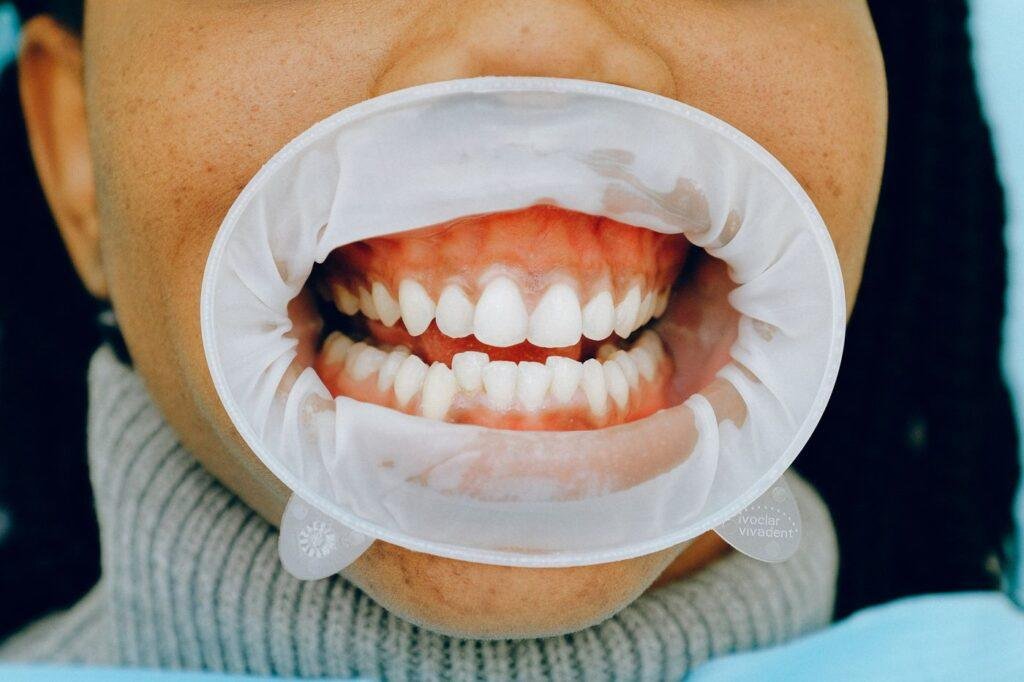
Gum Disease and Laser Gum Treatment in Richmond Hill
Gum disease is an infection of the tissues that support your teeth, and in its early stage, called gingivitis, it is common and reversible with professional care. If it advances to periodontitis it becomes more serious, because it can destroy bone and loosen teeth. At Hummingbird Dental, a trusted dental clinic in Richmond Hill, we assess your gums with a full periodontal exam and X-rays, then build a plan that may include deep cleaning and gentle laser-assisted gum treatment.
Bleeding when you brush, red or puffy gums and persistent bad breath are the usual first signs. Many people brush them off, but they are your gums asking for help. Our family dentistry team screens the whole family at routine visits, including teens and older adults who are often affected without knowing it.
Gum infections can also form an abscess, which causes sudden pain and swelling. If that happens, our emergency dentist appointments are available the same day.
If gum disease has already cost you a tooth, dental implants can restore your bite once the gums are healthy and stable. This page is general information, not a diagnosis, and care should come from a licensed dentist registered with the Royal College of Dental Surgeons of Ontario (RCDSO). When your gums are healthy, our cosmetic dentistry team can also help with an uneven gum line or a smile makeover.
Gum Disease at a Glance
The Three Stages of Gum Disease
Gingivitis
Plaque builds up along the gumline and the gums turn red, puffy and bleed easily. There is no bone loss yet. With a professional cleaning and better home care, gingivitis is usually reversible.Early to moderate periodontitis
Bacteria move below the gumline and form pockets. Bone around the teeth begins to wear away. You may notice bad breath, gum recession and teeth that look longer. Deep cleaning is needed to stop progress.Advanced periodontitis
Pockets deepen, bone loss increases and teeth may loosen or shift. Abscesses can form. Treatment is more involved, may include specialist care, and some teeth may not be saved.A Periodontal Exam: What the Dentist Checks
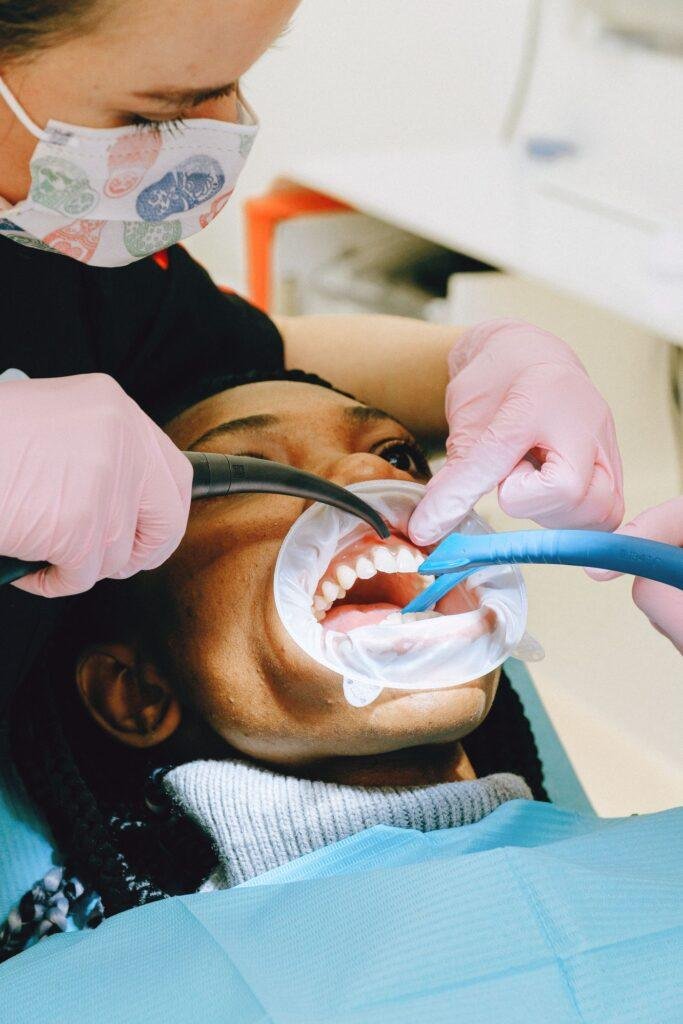
A periodontal exam is a painless check of your gum health. The dentist uses a thin measuring tool to gently measure the space, or pocket, between each tooth and the gum. Healthy pockets are usually about one to three millimetres deep. Deeper pockets, especially with bleeding, suggest that bacteria have settled below the gumline.
X-rays show bone levels, and the dentist also checks for gum recession, tooth mobility, bite problems and tartar build-up. The results decide whether you need a routine cleaning or a deeper treatment plan, and they give a baseline to compare with at future visits.
Warning Signs of Gum Disease
Gum disease can be painless at first, so watch for these changes and book an exam if you notice them.
Early signs
- Gums that bleed when you brush or floss
- Red, swollen or tender gums
- Bad breath that does not go away
Signs it may have progressed
- Gums pulling away from the teeth
- Pus or a bad taste near the gumline
- Loose teeth or a change in your bite
Why Gum Health Matters for Your Whole Body
Research has found an association between periodontal disease and conditions such as diabetes and heart disease. An association does not prove that gum disease causes these conditions, but chronic inflammation in the mouth is a good reason to take it seriously. If you have diabetes, healthy gums can also make blood sugar easier to manage, so tell your dentist about your medical history.
Some people are at higher risk and benefit from more frequent checks:
Gum Recession, Bad Breath and Sore Gums
Gum recession exposes the roots of teeth and can cause sensitivity to cold. It may come from gum disease, brushing too hard, teeth grinding or naturally thin gum tissue. Persistent bad breath that mouthwash cannot fix often comes from bacteria in gum pockets. Gums that feel sore after flossing may simply be new to cleaning, but if tenderness lasts more than a week or two, have them checked.
Whatever the cause, an exam is the first step, because the right treatment depends on the diagnosis.
Gum Disease Treatment Options
Most gum disease plans start with the least invasive approach that will work, and move to more involved care only when the exam shows it is needed.
Professional cleaning
For gingivitis, a thorough cleaning removes plaque and tartar above the gumline, and you learn how to keep the gums clean at home.
Scaling and root planing
A deep cleaning removes plaque and tartar from below the gumline and smooths the root surfaces so the gums can reattach and heal.
Laser-assisted gum therapy
A dental laser can be used with deep cleaning to target bacteria and inflamed tissue in the pockets. It is an adjunct, not a replacement, and your dentist will tell you if it suits your case.
Surgical or specialist care
Advanced cases with significant bone loss may need gum surgery or a referral to a periodontist, and we will coordinate your care.
Traditional Deep Cleaning vs Laser-Assisted Treatment
| Scaling and root planing | Laser-assisted therapy | |
|---|---|---|
| How it works | Hand and ultrasonic tools remove plaque and tartar below the gums | A dental laser is added to clean pockets and treat inflamed tissue |
| Comfort | Done under local anesthetic | Done under local anesthetic, often with less bleeding |
| Best for | Most cases of periodontitis | Selected cases, together with deep cleaning |
| Limits | Needs good home care to last | Not a stand-alone cure and not right for everyone |
In practice, laser therapy is almost always combined with scaling and root planing rather than replacing it. The deep cleaning removes the buildup, and the laser is an extra tool where your dentist feels it adds value.
Is Laser Gum Treatment Right for You?
Laser-assisted therapy is considered for some patients who have gum pockets and inflamed tissue, particularly when the dentist wants to reduce bacteria and bleeding. It may not suit you if you have certain medical conditions, or if the main problem is heavy tartar, which needs conventional cleaning.
Your dentist will review your health history, X-rays and gum measurements before recommending it. If another option would serve you better, we will say so. The goal is healthy gums, not a particular piece of technology.
What to Expect from Laser Gum Treatment
Aftercare: Keeping Your Gums Healthy
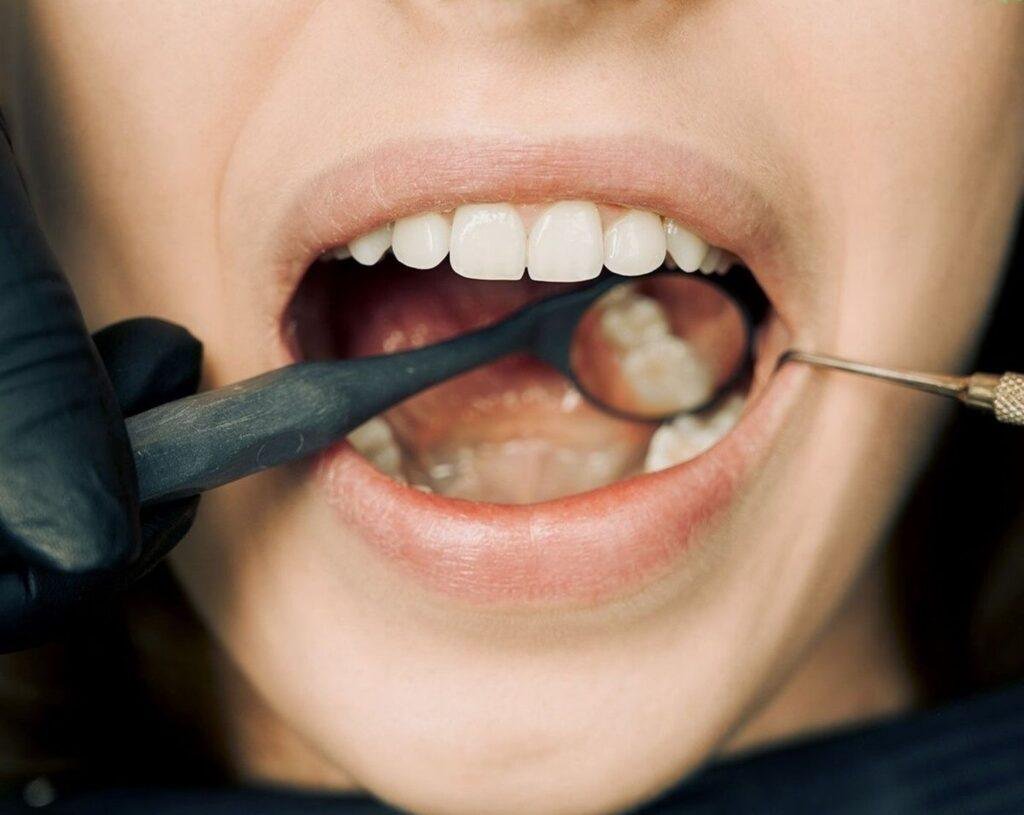
Healing is usually quick, and good habits are what keep gum disease from coming back.
Twice a day with a soft brush, angled toward the gumline.
Floss or use interdental brushes daily.
Use any medicated rinse exactly as directed.
Regular cleanings catch problems early.
Simple Daily Habits That Protect Your Gums
- Brush twice a day for two minutes with fluoride toothpaste.
- Clean between your teeth every day with floss or interdental brushes.
- Replace your toothbrush or brush head about every three months.
- Avoid tobacco, which hides bleeding and slows healing.
- Limit sugary snacks and drinks that feed plaque bacteria.
- Keep up with regular exams and professional cleanings.
Gum Care Myths Cleared Up
Bleeding usually means inflammation. Gentle, regular cleaning actually reduces it, and a dentist can check the cause.
It can start at any age, including the teen years, which is why routine exams matter for everyone.
Anesthetic keeps you comfortable. Dental anxiety is common, and we explain each step and pause whenever you need.
Not when it is found and treated early. Most patients keep their teeth with the right care.
Why Choose Hummingbird Dental for Gum Disease Treatment in Richmond Hill?
Hummingbird Dental is one of the best and most trusted dental clinics in Richmond Hill, and we have won the Top Choice Award for Richmond Hill Dentist in 2022, 2023, 2024 and 2025. Patients searching for the best dentist in Richmond Hill or a top dentist in Richmond Hill want a team that listens and explains clearly.
Our dental office in Richmond Hill, at 10376 Yonge St #202, Richmond Hill, ON L4C 3B8, Canada, is open six days a week, including Saturdays, with extended weekday evening hours. We accept new patients and CDCP patients, and we provide care in English, Persian, Russian, Portuguese, Hindi and Urdu.
As a full-service family dentist in Richmond Hill and an emergency dental clinic in Richmond Hill, we look after your gums, teeth and smile together. Our cosmetic dentist team can refine your results once your gums are healthy.
To ask a question or book a visit, call +1 647-370-2024 or email info@hummingbirddental.ca.

Gum Disease Treatment FAQs
Gingivitis, the early stage, is usually reversible with a professional cleaning and good daily care. Periodontitis can be controlled and stabilized with treatment, but bone that has already been lost does not grow back on its own. That is why early diagnosis matters, and why bleeding gums should never be ignored.
Treatment is done with local anesthetic, so the area is numb. Some patients feel mild soreness or tenderness for a day or two afterwards. Laser-assisted therapy is often used alongside traditional deep cleaning, and many patients find the recovery comfortable. Your dentist will explain what to expect before you begin.
Common signs include gums that bleed when you brush or floss, red or swollen gums, persistent bad breath, gum recession, and teeth that look longer or feel loose. Gum disease can be painless in its early stages, so only a dental exam with gum measurements and X-rays can confirm it.
After active treatment, many patients return every three to four months for a maintenance cleaning, while some stable patients move to a longer interval. Your dentist will set a schedule based on how your gums respond. Regular maintenance is the best way to stop the disease from returning.
Coverage depends on your plan. Many private plans cover part of periodontal care, and the Canadian Dental Care Plan (CDCP) may cover certain gum treatments for eligible patients. Hummingbird Dental welcomes new patients and CDCP patients, and our team can explain what applies to you before treatment starts.
Conclusion
Gum disease is common, and when it is found early it is very treatable.
Hummingbird Dental offers gentle gum care, flexible hours and clear guidance from your first exam to long-term maintenance.
If your gums bleed or feel sore, book a visit today and protect your smile.