
Replace Missing Teeth with Dental Implants in Richmond Hill
Dental implants are the longest-lasting way to replace a missing tooth, and a dentist can usually complete the treatment in a few short visits spread over several months. At Hummingbird Dental, a trusted dental clinic in Richmond Hill, every case starts with a full exam and 3D imaging so the plan fits your mouth. A missing tooth is very common and is not an emergency, but leaving the gap for years can lead to bone loss and shifting teeth.
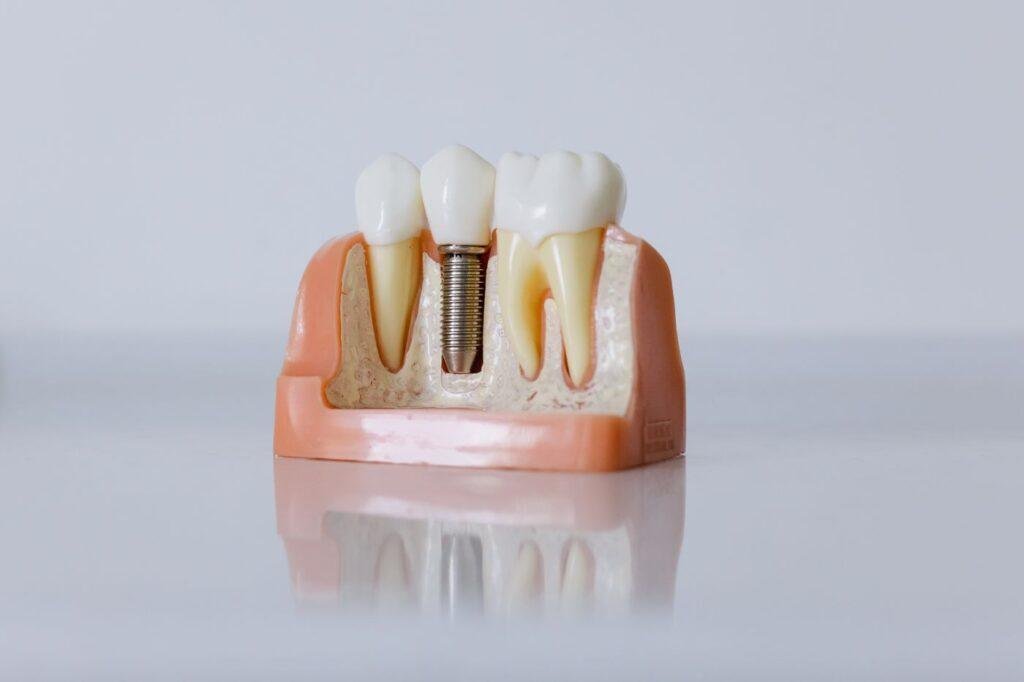
A dental implant is a small titanium post that replaces the root of the tooth. A crown, bridge or denture is then attached to it. Implants are a core part of restorative dentistry, and the plan is built around your bone, gums, bite and general health. Not everyone is ready for an implant at the first visit, and that is normal. Some patients need gum treatment or bone support first.
Before suggesting an implant, our dentists always ask whether the natural tooth can be saved. A root canal can rescue many infected teeth, and a strong filling or crown can rescue others. If a tooth is cracked, loose or causing sudden pain, we treat it as urgent and offer same-day care through our emergency dentist appointments.
Our family dentistry team also looks after the teeth around the implant site, so your gums and bite stay healthy for years. Dental implants are a surgical procedure. This page is general information, and only a licensed dentist registered with the Royal College of Dental Surgeons of Ontario (RCDSO) can confirm what is right for you.
Dental Implants at a Glance
A titanium post placed in the jawbone that supports a crown, bridge or denture.
Usually three to six months from placement to final crown, longer if bone grafting is needed.
Placement is done with local anesthetic. Most people report pressure and mild soreness, not sharp pain.
The implant post can last for decades with good hygiene and regular check-ups.
Private plans vary. CDCP generally does not cover implants, but we can explain your options.

What Are Dental Implants and How Do They Work?
A dental implant is a medical-grade titanium post that is placed in the jawbone to act as an artificial tooth root. Over several weeks the bone grows around the post and holds it firmly in place. Because the implant is anchored in bone, it feels stable and does not slip like some removable options.
A complete implant restoration has three parts:
- Implant post: the titanium root that sits in the bone.
- Abutment: a small connector that joins the post to the visible tooth.
- Crown, bridge or denture: the custom-made tooth that matches your natural smile.
Why Replace a Missing Tooth?
The jawbone needs the pressure of chewing to stay strong. When a tooth is lost, the bone under the gap slowly shrinks. Nearby teeth can then tilt into the space, and the opposing tooth can drift. Replacing the tooth early protects the whole bite.
- Keeps your chewing strength and makes eating easier.
- Helps protect the jawbone from shrinking.
- Stops neighbouring teeth from shifting.
- Restores clear speech and a natural-looking smile.
- Does not require grinding down healthy teeth, as a traditional bridge does.
Who Is a Good Candidate for Dental Implants in Richmond Hill?
Most healthy adults with a fully grown jaw can be considered. The final answer comes from your exam, 3D scan and medical history.
Often a good fit
- Healthy gums, or gum disease that has been treated
- Enough jawbone height and width, or a plan to rebuild it
- Good daily brushing and flossing habits
- Willingness to attend regular cleanings
May need extra steps first
- Active gum disease or untreated decay
- Low bone density in the implant area
- Smoking or vaping, which slows healing
- Poorly controlled diabetes or certain medications
Needing extra steps does not mean implants are out of reach. It means your dentist will treat the underlying issue first so the result is safe and lasting.
How Are Dental Implants Placed? A Step-by-Step Guide
- Consultation and imaging. The dentist reviews your health history and takes digital X-rays or a 3D scan.
- Treatment plan. You see the options, the timeline and the number of visits before anything starts.
- Preparation. A damaged tooth is removed and, if needed, bone grafting or gum treatment is done.
- Implant placement. The post is placed in the jawbone under local anesthetic.
- Healing. Over the next few months the bone fuses with the implant.
- Abutment and crown. A custom crown is fitted, checked for bite and comfort, and polished.
- Follow-up care. Regular reviews and cleanings protect the implant long term.

Dental Implants vs Bridges vs Dentures
Each option can work well. The right choice depends on how many teeth are missing, the health of nearby teeth and your budget and goals.
| Option | How it works | Main strengths | Points to consider |
|---|---|---|---|
| Dental implant | Titanium post in the bone with a crown on top | Stands alone, protects bone, feels like a natural tooth | Needs surgery and healing time |
| Dental bridge | Crown on each side of the gap holds a false tooth | Faster than an implant, no surgery | Healthy neighbouring teeth must be reshaped |
| Partial or full denture | Removable teeth rest on the gums | Suitable for many missing teeth, lower upfront cost | Can move, may need relining, does not protect bone |
Types of Dental Implant Treatment
Implants are not one-size-fits-all. Your dentist will recommend the approach that fits the number of missing teeth and the bone available.
Single tooth implant
One implant and one crown replace one missing tooth without touching the teeth beside it.
Implant-supported bridge
Two or more implants support a bridge that replaces several teeth in a row.
Implant-supported denture
A small number of implants anchor a full arch of teeth, giving much more stability than a regular denture.
Because implant crowns are visible, shape, shade and gum contour matter. Our cosmetic dentist team in Richmond Hill designs each crown to blend with your natural teeth.

Are Dental Implants Painful? Common Myths and Facts
Dental anxiety is very common, and many fears come from old stories rather than current practice. Here is what we hear most often.
- Myth: Implant surgery is very painful. Fact: The area is fully numbed, and most patients compare recovery to a tooth extraction. Sedation options can be discussed if you feel nervous.
- Myth: Implants are only for older adults. Fact: Age is less important than healthy gums, bone and a fully developed jaw.
- Myth: The body rejects titanium. Fact: True rejection is rare. Most failures come from infection, poor hygiene, smoking or too much early pressure.
- Myth: Implants cannot get cavities, so they need no care. Fact: The crown cannot decay, but the gum around it can become inflamed. Daily cleaning and check-ups are still essential.
Risks, Recovery and Aftercare
Dental implants have a high success rate in healthy patients, but no surgical procedure is risk-free. Possible risks include infection, delayed healing, nerve irritation, sinus problems for upper implants and peri-implantitis, which is gum and bone inflammation around an implant. Your dentist will review these with you before you decide.
To support healing and protect your implant:
- Follow the post-operative instructions you are given, including rinsing and medication advice.
- Stick to soft foods for the first few days.
- Brush gently and clean between teeth every day, using the tools your dentist recommends.
- Avoid smoking, which slows healing and raises the chance of failure.
- Book regular check-ups and professional cleanings.
- Call the clinic quickly if you notice pain that is getting worse, a loose crown or swelling that spreads.

Why Choose Hummingbird Dental for Dental Implants in Richmond Hill?
Hummingbird Dental is one of the best and most trusted dental clinics in Richmond Hill, and we have won the Top Choice Award for Richmond Hill Dentist in 2022, 2023, 2024 and 2025. Patients who search for the best dentist in Richmond Hill or a top dentist in Richmond Hill often want the same things: clear explanations, gentle care and a team that treats the whole family.
Our dental office in Richmond Hill, at 10376 Yonge St #202, Richmond Hill, ON L4C 3B8, Canada, is open six days a week, including Saturdays, with extended weekday evening hours. We accept new patients and CDCP patients, and our team provides care in English, Persian, Russian, Portuguese, Hindi and Urdu.
As a full-service family dentist in Richmond Hill, we can coordinate implants with cleanings, gum care, restorations and cosmetic work in one place. If a problem cannot wait, our emergency dental clinic in Richmond Hill offers same-day appointments. Complex cases may be shared with a trusted specialist when that is the safest route.
To ask a question or book a visit, call +1 647-370-2024 or email info@hummingbirddental.ca. Early questions are welcome, and a consultation is the best way to learn whether implants suit you.
Dental Implants FAQs
Most patients need about three to six months from implant placement to the final crown. The implant needs time to fuse with the jawbone, a process called osseointegration. If a tooth must be removed first or bone grafting is needed, the full timeline can be longer. Your dentist will give you an estimate after a 3D scan and examination.
Implant placement is done under local anesthetic, so the area is numb during the procedure. Afterwards, most people feel soreness, mild swelling or bruising for a few days, which is usually managed with the pain relief your dentist recommends. Pain that gets worse after the first week, or swelling that keeps spreading, should be checked promptly.
The titanium implant post can last for decades when the gums stay healthy and you attend regular cleanings and check-ups. The crown on top is a working surface like a natural tooth and may need repair or replacement after many years. Smoking, untreated gum disease and teeth grinding can shorten the life of an implant.
Coverage depends on your plan. Many private insurance plans cover part of implant treatment, and some cover none, so it helps to check your benefits first. The Canadian Dental Care Plan (CDCP) generally does not cover dental implants. Hummingbird Dental welcomes CDCP patients for the services the plan does cover, and our team can explain what applies to your situation.
Implants are not recommended while gum disease is active, and they may be delayed for people with uncontrolled diabetes, certain bone conditions or heavy smoking habits. Growing teenagers are usually not candidates because the jaw is still developing. A dental examination and your medical history decide whether an implant, a bridge or a denture is the safer choice.
Conclusion
Dental implants are a safe, proven and long-lasting way to replace missing teeth when they are planned and placed by a licensed dentist.
Hummingbird Dental offers gentle, family-focused care, flexible hours and clear guidance from the first consultation to the final crown.
Book an assessment to find out whether implants are the right fit for your smile.