
Calm, careful oral surgery close to home
Being told you need oral surgery can feel worrying. At Hummingbird Dental Clinic in Richmond Hill, many common procedures, from difficult extractions to implant placement, are handled right here in our own clinic, with a team you already know.
We explain what will happen before, during and after your procedure, use local anaesthetic so you stay comfortable, and give you written aftercare instructions to take home. For complex cases we refer to a certified oral and maxillofacial surgeon and coordinate your care from start to finish.
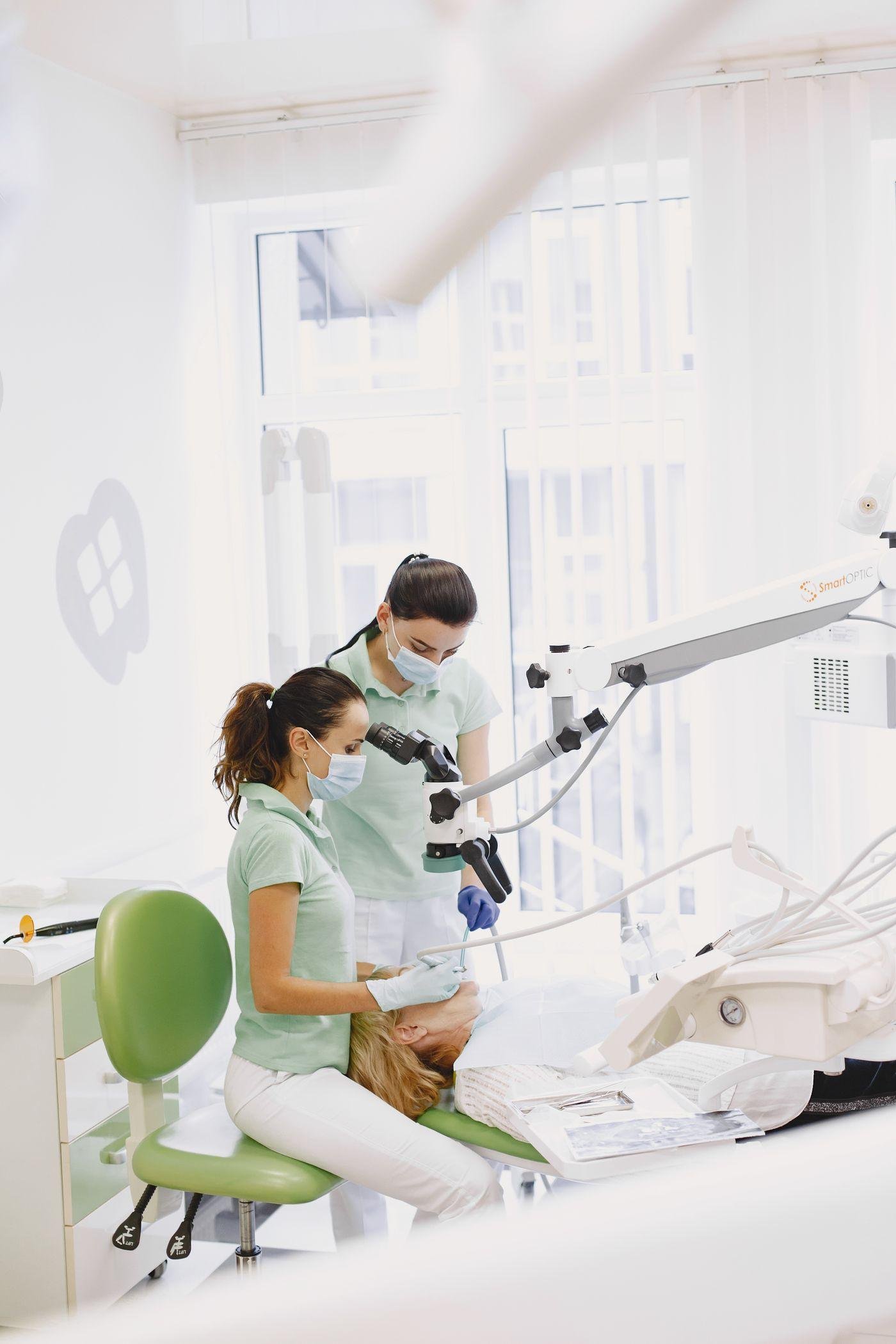
Common oral surgery treatments
Oral surgery covers any procedure that involves the teeth, gums or jawbone beyond a routine filling or cleaning. These are the procedures patients ask us about most often.
Surgical extractions
Removal of teeth that are broken at the gum line, have curved roots or cannot be lifted out simply. Learn more about tooth extraction.
Wisdom teeth removal
Impacted or partly erupted wisdom teeth that cause pain, infection or crowding. See wisdom tooth extraction.
Dental implant placement
Placing titanium posts that replace missing tooth roots. Compare implant treatment options.
Bone grafting
Rebuilding thin or damaged jawbone so it can support an implant, often done at the time of extraction.
Gum and soft tissue procedures
Reshaping or treating gum tissue as part of periodontal and laser gum treatment.
Biopsies and lesion checks
Assessment of unusual spots, lumps or sores in the mouth, with referral for testing when needed.
Signs you may need oral surgery
Many people first hear about oral surgery after an X-ray at a routine checkup. Others come to us because something does not feel right. Common reasons include:
- Pain, swelling or a bad taste around a back tooth, which can point to an infected wisdom tooth
- A tooth that has broken below the gum line after a fall or a hard bite
- A tooth with an infection that cannot be saved with root canal treatment
- Crowding that needs to be resolved before orthodontic treatment
- A missing tooth you would like replaced with an implant
- A sore or patch in the mouth that has not healed after two weeks
If you have sudden swelling or severe pain, call us for an emergency dental appointment.
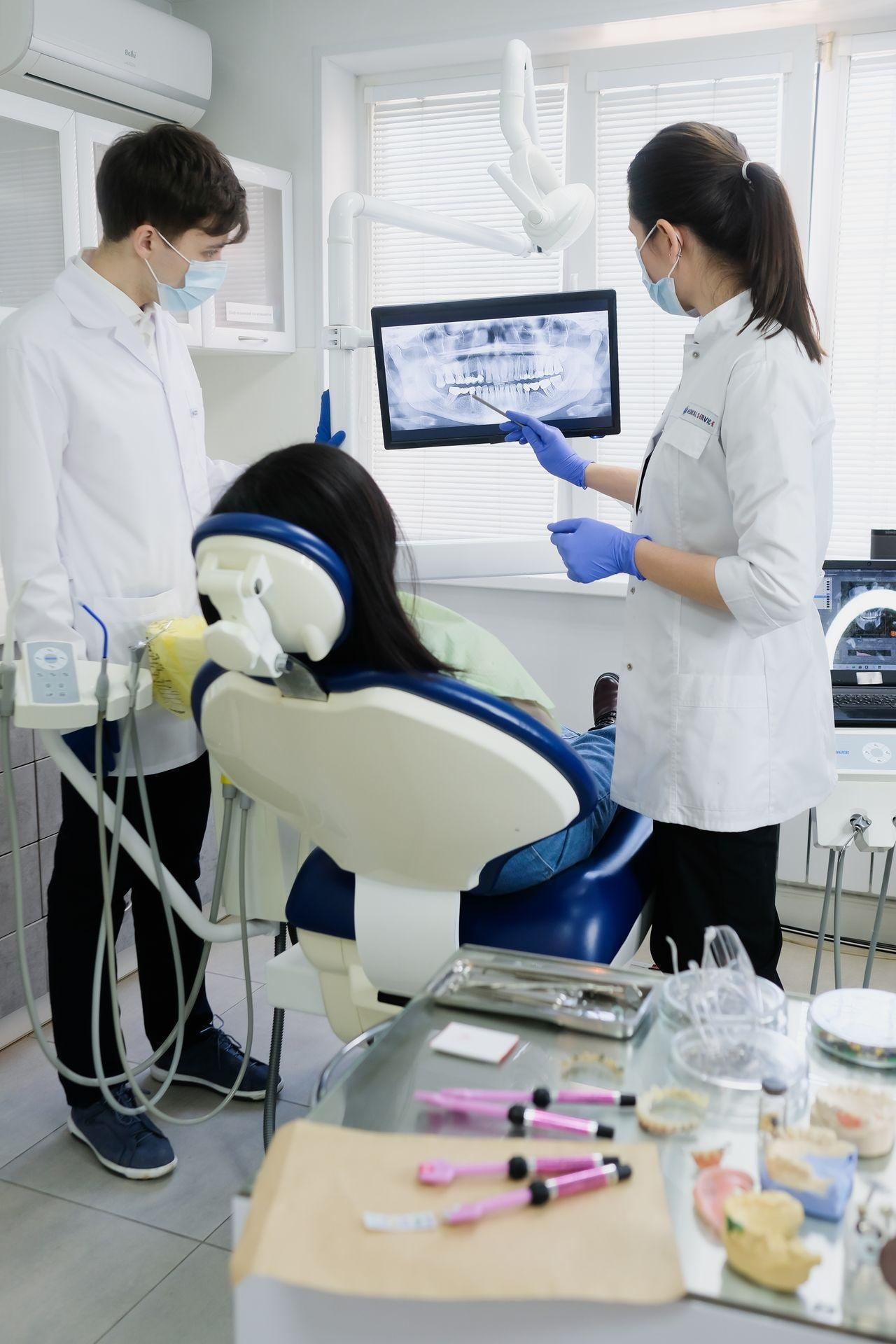
Preparing for surgery and recovering well
Before your procedure
- Tell us about every medication and supplement you take, especially blood thinners
- Let us know about health conditions such as diabetes, heart conditions or pregnancy
- Eat a light meal beforehand unless we advise otherwise
- Arrange a ride home if you will be receiving any sedation
- Stock up on soft foods like yogurt, soup, eggs and smoothies
- Avoid smoking for as long as possible before and after surgery
After your procedure
- Bite on gauze for 30 to 45 minutes to help a clot form
- Use a cold compress on the cheek for the first day to limit swelling
- Do not drink through a straw, spit forcefully or smoke for several days
- Rinse gently with warm salt water from the next day
- Take pain relief as directed and rest with your head raised
- Call us if bleeding, pain or swelling gets worse instead of better
What recovery usually looks like
Every procedure and every person heals a little differently, but most patients follow a similar pattern after a minor oral surgery.
Wisdom teeth: remove now or keep watching?
Not every wisdom tooth needs to come out. Some grow in straight, have enough room and can be cleaned properly, and those can often stay. Others are trapped in the bone or only partly through the gum, which makes them hard to keep clean and prone to infection. We use X-rays to see their position and the distance to the nerve before making any recommendation.
Often safe to monitor
- Fully erupted and in line with other teeth
- Easy to reach with a toothbrush and floss
- No pain, swelling or cavities
- Healthy gums and bone around them
Often better removed
- Repeated infections or swelling around the tooth
- Decay in the wisdom tooth or the molar beside it
- Cysts or bone loss seen on X-ray
- Pushing on neighbouring teeth or causing pain
Removal is usually easier in the late teens and early twenties, when roots are not fully formed and bone heals faster. That is why we keep an eye on wisdom teeth during regular checkups for teens and young adults.
Eating well while you heal
Good nutrition helps your mouth recover, but chewing can be uncomfortable for the first few days. Plan simple, soft meals and stay well hydrated.
First 24 hours
Cool or lukewarm soft foods: yogurt, applesauce, pudding, smoothies eaten with a spoon and cooled soups.
Days 2 to 5
Scrambled eggs, mashed potatoes, oatmeal, soft pasta, flaked fish and well cooked vegetables. Chew on the other side.
Avoid for a week
Crunchy chips, nuts, seeds, spicy foods, very hot drinks and alcohol, which can irritate the site or slow healing.
Referral to an oral and maxillofacial surgeon
Some situations are best handled by a certified specialist in oral and maxillofacial surgery. These include deeply impacted wisdom teeth very close to the nerve, jaw surgery, large cysts, facial injuries and cases that call for general anaesthesia in a hospital setting.
When that is the case, we explain why, recommend a trusted specialist and send your X-rays and records so you do not need to repeat them. After surgery, you can return to us for follow up care, restorations such as crowns or dental implants, and your regular checkups.
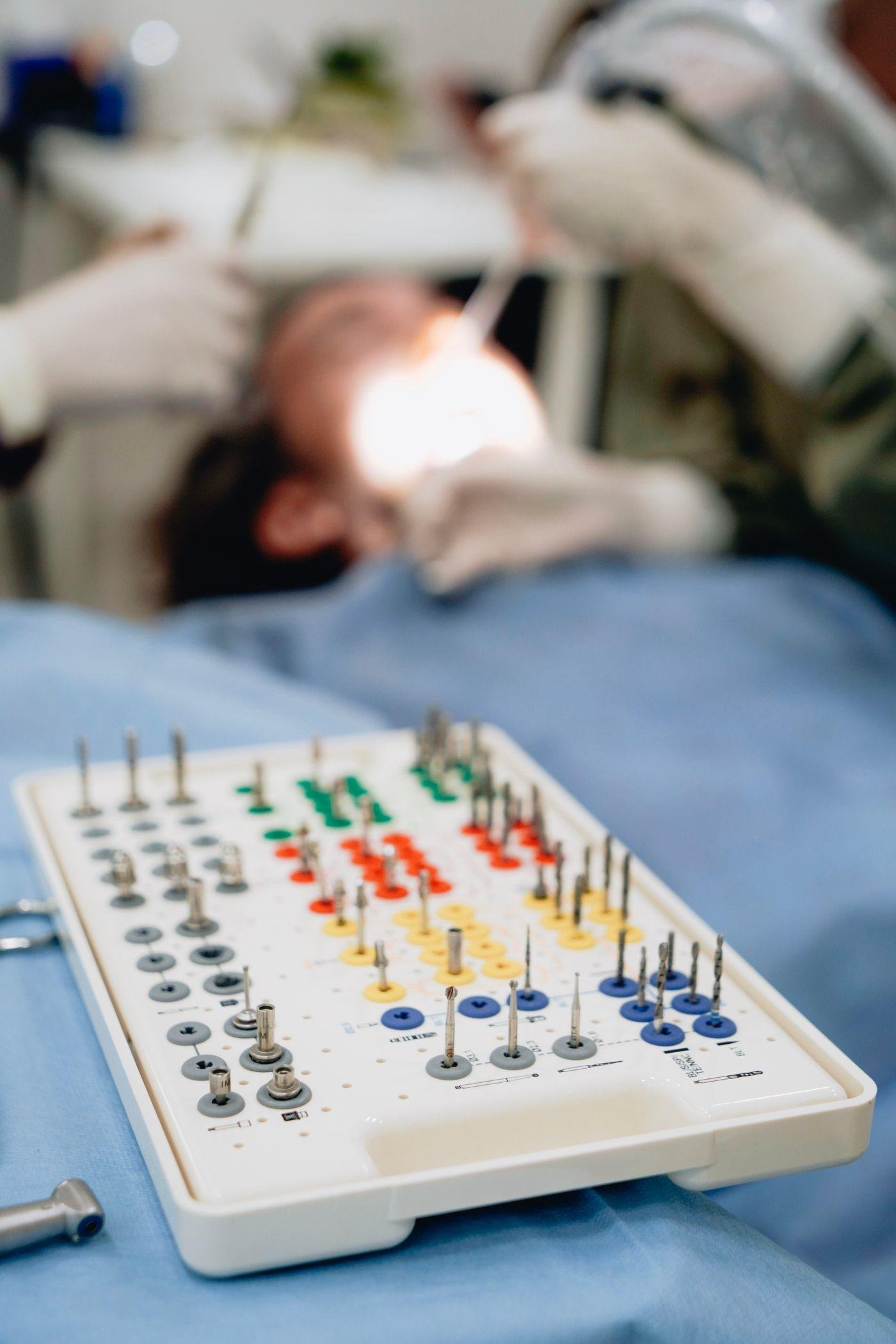
Safety and comfort come first
Our dentists are registered with the Royal College of Dental Surgeons of Ontario (RCDSO) and follow its standards for infection prevention and control. Instruments are sterilized between every patient, and single use items are never reused.
We review your medical history at every surgical visit, check blood pressure when appropriate, and make sure you are fully numb before we begin. If you feel anxious, tell us. We can talk through the procedure in detail, agree on a signal to pause, and plan longer appointments so nothing feels rushed.
Why patients choose us for oral surgery
Having surgery with a familiar dental team takes a lot of the stress out of the experience. You already know where to park, who will greet you and how the clinic works. Your dentist has your full history, your previous X-rays and a clear picture of how the procedure fits into your long term plan, whether that is a future implant, a bridge or simply a healthier, pain free mouth.
We also plan ahead. If a tooth is coming out and an implant may follow, we can often place a bone graft at the same visit so the site is ready later. If you need several procedures, we sequence them so you heal comfortably between steps. And after surgery, we follow up to make sure healing is on track. Patients from Richmond Hill, Thornhill, Markham, Vaughan and Aurora rely on us for exactly this kind of joined up care.
Answers before your procedure
Will I be awake during oral surgery?
Most minor oral surgery, including many extractions and implant placements, is done with local anaesthetic, so you are awake but the area is completely numb. If a case needs deeper sedation or general anaesthesia, we discuss referral options with you.
How long does oral surgery take?
A simple surgical extraction may take less than 30 minutes. Removing several wisdom teeth or placing implants can take an hour or more. We give you a time estimate at your consultation.
How much time off work will I need?
Many people return to desk work the next day after a single extraction. After wisdom teeth removal, plan for two to three days of rest. Physical jobs may need a little longer.
What is dry socket and how can I avoid it?
Dry socket happens when the blood clot in an extraction site is lost too early, exposing bone. It causes throbbing pain a few days after surgery. Avoid smoking, straws and forceful rinsing for the first several days to protect the clot.
Do I need a referral to book oral surgery at your clinic?
No referral is needed. Book a consultation and we will examine the area, take X-rays and explain your options.
Does insurance cover oral surgery?
Most dental plans cover extractions and many other surgical procedures in part. Some procedures may also fall under medical coverage. Our team can submit a predetermination before treatment.
Talk to us about your oral surgery
Book a consultation at 10376 Yonge Street, Unit 202, Richmond Hill. We will examine the area, explain every option and answer your questions.