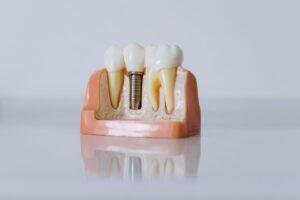
Mini dental implants are a smaller, more affordable version of traditional dental implants that offer seniors a reliable and less invasive way to replace missing teeth or secure loose dentures. In short, they provide a cost-effective solution without the complexity of full implant surgery, making them one of the most practical options for older adults dealing with tooth loss.
If you are a senior exploring tooth replacement options and looking for a dental clinic in Richmond Hill that offers modern restorative solutions, understanding mini dental implants is a great place to start.
What Are Mini Dental Implants?
Mini dental implants, often called MDIs, are titanium posts that are significantly narrower than standard dental implants. Traditional implants typically measure between 3.5 and 5 millimetres in diameter, while mini implants usually range from 1.8 to 3.3 millimetres. Despite their smaller size, they serve the same fundamental purpose: they are inserted into the jawbone to act as a stable anchor for replacement teeth or dentures.
For seniors who have experienced jawbone loss due to long-term tooth loss, mini implants can often be placed in situations where traditional implants would require bone grafting. This makes the entire process faster, more comfortable, and far more accessible for older patients.
When you explore dental care in Richmond Hill with a focus on implant options, a qualified dental professional can assess whether mini implants are the right solution based on your bone density, oral health, and overall medical history.
Why Seniors Benefit Most from Mini Dental Implants
Seniors face unique dental challenges. Bone density tends to decrease with age, gum tissue may recede over time, and many older adults already wear full or partial dentures that have become loose and uncomfortable. Mini dental implants address all of these concerns effectively.
Here are the key reasons why mini implants are particularly suited to seniors:
- They require a smaller incision, which means less trauma to gum tissue
- The healing period is shorter compared to traditional implants
- They can stabilize existing dentures without requiring full replacement
- They are better suited for patients with moderate bone loss
- The entire placement process can often be completed in a single appointment
Signs You May Need Mini Dental Implants
Not everyone who is missing teeth will automatically need implants, but there are specific signs that suggest mini dental implants could be the right solution for you.
You may be a good candidate if you:
- Have one or more missing teeth that affect your ability to chew or speak
- Wear dentures that slip, click, or cause sore spots on your gums
- Have been told you lack the bone density required for traditional implants
- Want a more permanent alternative to removable dentures
- Experience pain or discomfort when biting into food
These are conversations worth having with your dental provider. Visiting a skilled dentist in Richmond Hill is the first step to determining whether you are a suitable candidate for mini implants.
Professional Guidance and Where to Get It
Hummingbird Dental Clinic is one of the best dental clinics in Richmond Hill and offers comprehensive evaluations for seniors considering implant options. Their team can walk you through a full assessment and recommend whether mini or standard implants are more appropriate for your situation. You can reach them at (647) 370-2024 or by email at info@hummingbirddental.ca. The clinic is located at 10376 Yonge St #202, Richmond Hill, ON L4C 3B8.
The Mini Dental Implant Process: Step by Step
Understanding what to expect during treatment can ease anxiety and help seniors make confident decisions.
Step 1: Initial Consultation Your dentist will take X-rays and perform a full oral examination to evaluate your bone structure, gum health, and overall oral condition.
Step 2: Treatment Planning Based on the examination, your dentist will create a customized plan that outlines whether mini implants are appropriate, how many are needed, and how they will be used to support your replacement teeth or denture.
Step 3: Implant Placement The mini implant is inserted directly into the jawbone using a minimally invasive technique. Local anesthesia is used to ensure comfort throughout the procedure. Most placements take less than two hours.
Step 4: Immediate Loading One major advantage of mini implants is that replacement teeth or dentures can often be attached on the same day as placement, allowing patients to leave the clinic with a functional, stable smile.
Step 5: Follow-Up Appointments Your dentist will schedule follow-up visits to check healing progress and make any necessary adjustments to ensure a comfortable and secure fit.
For those exploring dental implants in Richmond Hill, Hummingbird Dental Clinic offers experienced guidance at every stage of this process.
Mini Implants vs Traditional Implants: A Clear Comparison
| Feature | Mini Dental Implants | Traditional Dental Implants |
|---|---|---|
| Diameter | 1.8 to 3.3 mm | 3.5 to 5 mm |
| Bone requirement | Less bone needed | May require bone grafting |
| Procedure time | Often same day | Multiple appointments |
| Recovery time | Shorter | Longer |
| Cost | Generally more affordable | Higher cost |
| Best for | Seniors, narrow ridges, denture stabilization | Patients with sufficient bone density |
This comparison shows why mini implants have become a go-to option for seniors who want effective results without the longer treatment timelines associated with traditional implants.
Common Mistakes Seniors Make When Considering Mini Implants
Many patients come in with misconceptions that can delay treatment or lead to poor decisions. Here are the most common mistakes to avoid:
Assuming all implants are the same. Mini implants and traditional implants have different indications. Getting the right assessment from a professional is essential before deciding.
Delaying treatment too long. Bone loss progresses over time. The longer you wait after losing a tooth, the less bone may remain to support even a mini implant.
Choosing a provider based on price alone. Affordability matters, but the experience and qualifications of your dental provider matter more. Always verify credentials and ask about implant experience.
Neglecting post-placement care. Even though mini implants are low-maintenance, regular brushing, flossing, and dental check-ups are still required to keep them healthy.
Not asking about denture stabilization. Many seniors do not realize that mini implants can be used to snap existing dentures into place, which can be a much simpler and more accessible option than full tooth replacement.
Safety and What to Watch For
Mini dental implants are considered safe when placed by a qualified professional. However, seniors should be aware of certain health conditions that may affect candidacy, including:
- Uncontrolled diabetes
- Blood-thinning medications
- Active gum disease
- Radiation therapy history in the jaw area
These conditions do not automatically disqualify someone from receiving mini implants, but they must be disclosed and managed appropriately before and after treatment. Your dental team will coordinate with your physician if necessary to ensure a safe outcome.
How to Care for Mini Dental Implants
Proper maintenance of mini dental implants is straightforward, but consistency is important.
- Brush twice daily with a soft-bristled toothbrush
- Floss around the implant site at least once a day
- Use a non-abrasive toothpaste to avoid scratching the implant surface
- Rinse with an antibacterial mouthwash to prevent infection around the implant site
- Avoid hard, crunchy foods in the early weeks following placement
- Attend all scheduled follow-up appointments
- Report any discomfort, swelling, or unusual sensations to your dentist promptly
With proper care, mini dental implants can last many years and provide a stable, comfortable foundation for daily function.
Are Mini Dental Implants Worth It for Seniors?
The answer for most seniors is yes. Mini dental implants restore the ability to eat comfortably, speak clearly, and smile confidently. They remove the daily frustrations of removable dentures and provide a level of stability that significantly improves quality of life. While they require an upfront investment, many patients find the long-term benefits well outweigh the cost, particularly when denture adhesives, replacements, and adjustments are factored in over time.
Frequently Asked Questions
Q1: How long do mini dental implants last? With proper care, mini dental implants can last 10 years or more. Longevity depends on oral hygiene habits, the location of the implant, and regular professional maintenance.
Q2: Are mini dental implants painful? The procedure is performed under local anesthesia, so patients experience little to no pain during placement. Mild soreness or swelling in the days following is normal and typically manageable with over-the-counter pain relief.
Q3: Can mini implants support full dentures? Yes. One of the most popular uses of mini dental implants is to stabilize full lower dentures. Typically, four mini implants are used to snap a denture securely in place, preventing slipping and improving chewing ability significantly.
Q4: Is there an age limit for mini dental implants? There is no upper age limit for mini dental implants. Seniors in their 70s, 80s, and beyond have successfully received mini implants. The key factor is overall health and bone availability, not age itself.
Q5: How do I know if I am a candidate for mini dental implants? A dental consultation with X-rays is the only way to determine candidacy. Your dentist will assess your bone density, gum health, and medical history to determine whether mini implants are appropriate for your specific situation.
Conclusion
Mini dental implants offer seniors a practical, less invasive, and more accessible path to restoring their smiles and improving daily function. They are a strong alternative to traditional implants for patients with bone loss or budget considerations. Speaking with a qualified dental professional is the best first step toward understanding whether this solution is right for you.