When it comes to treating sleep apnea, two options dominate clinical practice: CPAP machines and dental appliances. Both are effective for managing obstructive sleep apnea, but they work in fundamentally different ways and suit different patients. If you are exploring your options, consulting a trusted Dental Clinic in Richmond Hill is a great first step toward identifying the most comfortable and effective treatment for your condition.
Sleep apnea is a condition in which the airway repeatedly collapses or becomes blocked during sleep, causing breathing to stop briefly and repeatedly throughout the night. These interruptions can occur dozens or even hundreds of times per hour, resulting in poor sleep quality, chronic fatigue, and serious cardiovascular risks. Whether you are newly diagnosed or reconsidering your current therapy, understanding the differences between these two treatment paths is essential. Quality Dental Care in Richmond Hill can help patients explore oral appliance therapy as a clinically validated, non-invasive alternative to CPAP.
What Is a CPAP Machine?
CPAP stands for Continuous Positive Airway Pressure. A CPAP machine works by delivering a steady stream of pressurized air through a mask worn over the nose or mouth during sleep. This continuous airflow keeps the airway open, preventing the soft tissues at the back of the throat from collapsing. CPAP is widely regarded as the gold standard for treating moderate to severe obstructive sleep apnea and has been extensively studied and validated over decades of clinical use.
The machine consists of three main components: the motor unit that generates airflow, a flexible tube connecting the motor to the mask, and the mask itself, which must form a proper seal to maintain pressure. Modern CPAP devices include features such as heated humidifiers to prevent dry mouth and throat, pressure ramp settings for comfort, and data-recording functions that allow clinicians to monitor therapy compliance and effectiveness.
Pros and Cons of CPAP
- Highly effective for moderate to severe sleep apnea
- Immediate symptom relief once pressure is calibrated
- Insurance coverage widely available
- Requires nightly use of a mask, which some patients find uncomfortable
- Machine noise can disturb partners
- Travel requires carrying the device and a power source
- Mask leaks and dry mouth are common initial complaints
What Are Dental Appliances for Sleep Apnea?
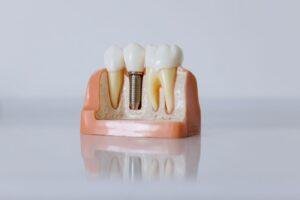
Dental appliances for sleep apnea, also called mandibular advancement devices (MADs) or oral appliance therapy (OAT), are custom-fitted mouthguards prescribed and fitted by trained dental professionals. They work by gently repositioning the lower jaw slightly forward during sleep, which prevents the tongue and soft tissues from collapsing into the airway. A qualified Dentist in Richmond Hill can take precise impressions of your teeth and bite to create an appliance tailored specifically to your anatomy, ensuring both effectiveness and comfort.
Oral appliances are most commonly recommended for patients with mild to moderate obstructive sleep apnea, or for those with severe sleep apnea who are unable to tolerate CPAP therapy. They are compact, silent, and require no electricity, making them a convenient solution for frequent travelers. However, they must be professionally fitted and regularly adjusted to maintain effectiveness.
Pros and Cons of Dental Appliances
- Compact, lightweight, and easy to travel with
- No electricity required
- Silent during use
- High compliance rates compared to CPAP
- Requires multiple adjustment appointments
- Most effective for mild to moderate sleep apnea
- May cause temporary jaw soreness or tooth sensitivity during the adjustment period
CPAP vs Dental Appliance: A Side-by-Side Comparison
Choosing between a CPAP machine and a dental appliance involves weighing several factors, including the severity of your sleep apnea, your lifestyle, your tolerance for wearing a device, and professional clinical guidance. The following comparison addresses the most important points patients typically consider.
Effectiveness
CPAP is generally more effective for severe sleep apnea, achieving near-complete elimination of apnea events in most patients when used correctly. Dental appliances show excellent results for mild to moderate cases, with most patients achieving a meaningful reduction in their Apnea-Hypopnea Index (AHI). For some patients, combining both therapies under clinical supervision yields the best outcome.
Comfort and Compliance
One of the most significant clinical challenges with CPAP therapy is long-term compliance. Studies consistently show that many patients discontinue CPAP use within the first year, primarily due to mask discomfort, air pressure intolerance, and disrupted sleep. Dental appliances typically have higher compliance rates because they are smaller, more comfortable, and less intrusive. The team at Hummingbird Dental Clinic works closely with patients to ensure their oral appliances are perfectly calibrated for both comfort and therapeutic effectiveness, increasing the likelihood of consistent nightly use.
Maintenance
Both devices require regular cleaning. CPAP machines need daily cleaning of the mask, tubing, and water chamber to prevent bacterial and mold growth. Dental appliances should be rinsed after each use and cleaned with a non-abrasive cleaner. Both require periodic professional servicing: CPAP filters and masks need replacement on a schedule, while dental appliances need professional inspection for wear and effectiveness.
Who Is a Good Candidate for Each Treatment?
Clinical guidelines from organizations such as the American Academy of Sleep Medicine help dentists and physicians determine the most appropriate therapy for each patient. The following general criteria are widely used:
CPAP Is Typically Recommended For
- Patients with moderate to severe obstructive sleep apnea (AHI above 15 events per hour)
- Patients who have co-existing conditions such as central sleep apnea
- Patients who respond well to CPAP pressure during titration studies
- Patients who prefer a device with real-time monitoring capabilities
Dental Appliances Are Typically Recommended For
- Patients with mild to moderate obstructive sleep apnea
- CPAP-intolerant patients who cannot achieve consistent compliance
- Patients who travel frequently or prefer a more portable solution
- Patients whose anatomy makes oral appliance therapy particularly suitable
The Role of the Dentist in Sleep Apnea Treatment
Dentists trained in dental sleep medicine play a crucial role in diagnosing and managing sleep apnea from an oral perspective. While a physician or sleep specialist establishes the sleep apnea diagnosis, a dental professional is responsible for evaluating oral anatomy, taking impressions, fitting the appliance, and monitoring the patient’s response over time. Regular follow-up appointments are critical to ensure the appliance is still properly positioned and continues to deliver the desired therapeutic effect.
For patients who experience jaw pain, facial discomfort, or other temporomandibular issues related to oral appliance use, additional specialized care may be beneficial. In particular, patients dealing with jaw joint dysfunction alongside sleep apnea may benefit from comprehensive evaluation. This is relevant because conditions such as TMJ disorder can be interconnected with sleep apnea symptoms, and addressing both simultaneously leads to better outcomes. You can learn more about TMJ Disorder Treatment in Richmond Hill to understand how jaw-related issues and sleep apnea management can be addressed together.
Common Mistakes Patients Make When Choosing Sleep Apnea Treatment
Selecting a sleep apnea treatment without professional guidance can result in poor outcomes, worsened symptoms, or unnecessary discomfort. The following are some of the most frequent errors patients make:
- Purchasing over-the-counter mouthguards that are not custom fitted and do not provide the correct mandibular advancement
- Abandoning CPAP therapy without consulting a specialist about adjustments or alternative settings
- Assuming that dental appliances work equally well for all types and severities of sleep apnea
- Neglecting regular follow-up appointments, which are essential for ensuring ongoing effectiveness
- Failing to inform their dentist about symptoms such as jaw pain or morning headaches that may indicate the appliance needs adjustment
Maintenance and Care Tips for Both Devices
Regardless of which treatment you choose, proper maintenance ensures both hygiene and longevity:
CPAP Maintenance Tips
- Wash the mask, tubing, and water chamber with mild soap and warm water daily
- Replace filters every one to three months, or as directed by the manufacturer
- Check for mask seal integrity to prevent pressure leaks
- Schedule annual clinical reviews to assess therapy data and make pressure adjustments
Dental Appliance Maintenance Tips
- Rinse the appliance immediately after removing it each morning
- Clean with a soft toothbrush and non-abrasive cleaner weekly
- Store in the provided protective case when not in use
- Schedule professional inspections every six months to check for wear and adjustment needs
When to Seek Professional Help
If you or a loved one experiences loud snoring, witnessed breathing pauses during sleep, waking up with headaches, excessive daytime sleepiness, or difficulty concentrating, these are warning signs that should not be ignored. A formal sleep study is required to diagnose sleep apnea, and a qualified dental or medical professional can guide you toward the appropriate next steps. Contact Hummingbird Dental Clinic, one of the best dental clinics in Richmond Hill, at 10376 Yonge St #202, Richmond Hill, ON L4C 3B8, or call (647) 370-2024, or email info@hummingbirddental.ca to schedule a consultation.
Frequently Asked Questions
Can a dentist treat sleep apnea?
Yes. Dentists trained in dental sleep medicine can provide oral appliance therapy for obstructive sleep apnea. While the diagnosis must be established by a physician or sleep specialist, a dentist fits and manages the dental device and monitors treatment progress over time.
How long does it take for a dental appliance to work?
Most patients notice an improvement in sleep quality within the first few weeks of consistent use. However, full optimization, including jaw advancement adjustments, may take two to three months and several follow-up appointments.
Is CPAP better than a dental appliance?
CPAP is generally more effective for severe sleep apnea. However, for mild to moderate cases, dental appliances offer comparable results with higher compliance rates. The best treatment depends on your diagnosis, anatomy, and lifestyle preferences.
Can I use both a CPAP and a dental appliance?
Yes, in some cases a combination approach is used under clinical supervision. This can allow some patients to reduce the CPAP pressure required while maintaining effective airway control through the oral appliance.
How often should a dental sleep appliance be replaced?
Most oral appliances last three to five years with proper care. However, changes in dental anatomy, weight fluctuations, or wear to the appliance material may require earlier replacement or adjustment. Regular professional check-ups are the best way to monitor the appliance’s condition.
Conclusion
Both CPAP machines and dental appliances are effective, clinically validated treatments for obstructive sleep apnea, and neither is universally superior. The right choice depends on the severity of your condition, your comfort preferences, and your lifestyle. Consulting with a qualified dental or medical professional ensures you receive a treatment plan tailored to your specific needs, rather than a one-size-fits-all solution. With the right guidance and consistent therapy, sleep apnea is a highly manageable condition.