Dentures can feel like a life-changing solution, but keeping them fitting well over the months and years takes consistent care and professional support. Yes, it is completely normal for dentures to feel slightly loose or uncomfortable as time passes, and in most cases, this is a temporary issue that can be corrected. With the right habits and regular dental visits, you can extend the comfort and function of your dentures significantly. If you are looking for reliable guidance on denture care, a trusted Dental Clinic in Richmond Hill can provide personalized assessments to help you maintain a confident smile.
Why Do Dentures Stop Fitting Over Time?
Understanding why dentures become loose is the first step toward preventing the problem. The jaw and gum tissues that support your dentures are not static structures. After tooth loss, the underlying jawbone begins to resorb, or shrink, gradually. This process is called alveolar bone resorption, and it is a natural biological response to the absence of tooth roots. As the bone changes shape, the denture that was originally fitted to your mouth no longer matches the contour of your gums.
Other factors that contribute to poor denture fit include:
- Natural aging and weight changes that alter facial structure
- Gum disease or remaining natural teeth shifting position
- Improper denture storage that warps the acrylic material
- Wear and tear on the denture surfaces over time
- Not following through with scheduled dental adjustments
It is important to understand that loose dentures are not simply a cosmetic inconvenience. They can cause sore spots, difficulty chewing, speech problems, and even nutritional deficiencies if eating becomes painful. Visiting a Dentist in Richmond Hill regularly helps catch these changes early before they become serious.
How Often Should Dentures Be Checked?
Most dental professionals recommend a denture check-up at least once a year, even if your dentures seem to be fitting well. Your dentist will examine not only the fit of the appliance but also the health of the gum tissue, remaining teeth, and underlying bone structure.
At Hummingbird Dental, patients receive thorough assessments during routine visits. The clinic is open six days a week, including Saturdays and extended weekday evening hours, making it convenient for busy individuals and families to attend scheduled checkups. Regular visits are the single most effective way to prevent a denture fitting problem from escalating.
Signs Your Dentures Need Adjustment
Many patients delay seeking help because they assume some discomfort is normal. While a short adjustment period after receiving new dentures is expected, ongoing discomfort is a sign that professional attention is needed. Watch for these warning signs:
- Dentures clicking or moving when you speak or eat
- Sore spots, redness, or persistent irritation on the gums
- Difficulty chewing that was not present before
- Changes in your facial appearance, such as a sunken look around the mouth
- An increase in the amount of denture adhesive needed to keep them in place
- Food becoming frequently trapped under the denture
If you are experiencing any of these symptoms, it is advisable to contact your dental provider promptly. As a Dental Office in Richmond Hill, Hummingbird Dental accepts new patients and CDCP patients, and the team can assess whether a reline, rebasing, or full replacement is the right solution.
Daily Habits That Help Dentures Fit Better Longer
Good daily habits play a significant role in preserving denture fit. What you do at home between appointments matters just as much as professional care.
Cleaning Your Dentures Correctly
Dentures must be cleaned every day, but not with regular toothpaste. Most commercial toothpastes are too abrasive for denture acrylic and can cause micro-scratches that harbour bacteria and odour. Instead, use a soft-bristle denture brush and a non-abrasive denture cleanser.
Steps for daily denture cleaning:
- Remove dentures and rinse them under running water after meals.
- Fill the sink with water or place a soft towel beneath before cleaning to cushion against accidental drops.
- Brush all surfaces gently, including the parts that contact your gums.
- Soak overnight in a denture-soaking solution or plain water to maintain shape.
- Rinse thoroughly with water before reinserting in the morning.
Never use boiling water on dentures. Heat can distort the plastic material and ruin the fit permanently.
Soaking Dentures Overnight
Dentures are designed to maintain moisture. Leaving them dry overnight causes the acrylic to warp and contract, leading to a poor fit the next day. Always store your dentures in water or an approved denture solution when not wearing them.
Caring for Your Gums and Remaining Teeth
Even if you wear full dentures, oral hygiene does not stop at the appliance itself. Gently brush your gums, tongue, and the roof of your mouth with a soft toothbrush each morning before inserting your dentures. This stimulates circulation, removes plaque, and keeps the tissue healthy, which directly affects how well the denture seats against the gum.
For patients who have a combination of natural teeth and partial dentures, brushing and flossing the remaining teeth is critical. Gum disease or tooth decay in remaining teeth can accelerate bone loss and further destabilize denture fit. The team at the Best Dental Clinic in Richmond Hill, Hummingbird Dental, provides family dentistry services that include preventive care for all members of the household, helping protect natural teeth alongside denture management.
What Is a Denture Reline and When Do You Need One?
A denture reline is one of the most common and effective solutions when a denture becomes loose due to bone and tissue changes. The procedure involves adding a new layer of material to the fitting surface of the denture so that it conforms to the current shape of your gum tissue.
There are two types of relines:
Chairside reline: Performed in the dental office in a single visit using a soft or hard material that is shaped and cured while the patient waits.
Laboratory reline: The denture is sent to a dental lab where the fitting surface is professionally relined. This typically takes one to two business days.
A reline does not change the appearance of your denture; it simply improves the internal fit. Patients who find themselves reaching for adhesive more frequently are often good candidates for a reline.
Denture Adhesives: Helpful Tool or Warning Sign?
Denture adhesives can provide temporary support and improved stability, but they should not be a permanent solution for a poorly fitting denture. If you find yourself needing adhesive daily and in large amounts, this is a signal that your denture fit needs professional attention.
Used correctly, a small amount of adhesive applied in the morning can improve confidence when speaking and eating. However, excessive adhesive use can mask underlying problems such as significant bone resorption, which may eventually require a more comprehensive solution like dental implants.
Dental Implants as a Long-Term Solution for Denture Stability
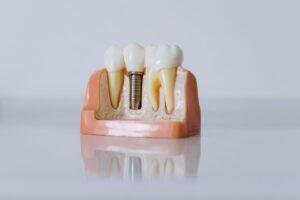
One of the most effective long-term solutions for patients struggling with loose dentures is implant-supported dentures. In this approach, titanium implant posts are placed into the jawbone, and the denture clips or locks onto these posts. The result is a denture that does not move, does not require adhesive, and feels dramatically more natural.
Implant-supported dentures also help slow down bone resorption because the implant posts mimic the function of natural tooth roots, providing the stimulation the jawbone needs to maintain its density.
If you are considering this option, speak with a Top Dentist in Richmond Hill who can evaluate your bone density and overall health to determine if you are a suitable candidate. Patients who would like to explore restorative solutions in detail can also review the restorative dentistry options available at the clinic.
The Role of Diet in Denture Longevity
What you eat affects how long your dentures last and how well they continue to fit. A diet heavy in very hard, sticky, or tough foods puts extra stress on denture acrylic and the underlying gum tissue. Over time, this can accelerate wear and lead to gum soreness.
Recommended dietary adjustments for denture wearers include:
- Cutting food into smaller pieces before chewing
- Avoiding extremely sticky foods like caramel or chewing gum
- Chewing on both sides of the mouth simultaneously to distribute pressure evenly
- Staying hydrated to support healthy gum tissue
- Including soft, nutrient-rich foods that are easier to manage with dentures
When Is It Time to Replace Dentures Entirely?
Dentures do not last forever. Most dentures have a functional lifespan of seven to ten years, after which the fit, bite, and appearance may deteriorate significantly regardless of how well they have been maintained. At this stage, a full replacement is generally the most practical and comfortable option.
Signs that replacement may be necessary include:
- Visible cracks, chips, or broken teeth on the denture
- Significant bone loss that makes relining ineffective
- Major changes in facial appearance related to long-term bone resorption
- Persistent discomfort that does not resolve with adjustments
A Family Dentist in Richmond Hill can take new impressions and fabricate a fresh set of dentures that matches your current oral anatomy. The team at Hummingbird Dental is widely regarded as one of the Best Dental Clinics in Richmond Hill, having received the Top Choice Award for Richmond Hill Dentist in 2022, 2023, 2024, and 2025. This recognition reflects the consistent quality of care delivered to patients across the region.
The clinic is also available for urgent situations. If a denture breaks suddenly or becomes acutely uncomfortable, the emergency dentist team is prepared to help with same-day emergency appointments when needed.
Cosmetic and Restorative Options That Complement Denture Care
Patients with remaining natural teeth can benefit from a range of cosmetic dentistry services that work alongside denture management. Options such as porcelain veneers and teeth whitening can enhance the appearance of natural teeth to complement the look of new dentures, creating a more cohesive and confident smile.
For patients requiring additional procedures such as a root canal to preserve a remaining natural tooth, or a wisdom tooth extraction prior to denture placement, these services are available at the same clinic, making comprehensive care convenient and coordinated.
Hummingbird Dental also serves younger patients through its pediatric dentistry program, ensuring that families can receive care under one roof regardless of age or dental need.
Choosing a Dental Clinic That Understands Denture Care
When choosing a provider, look for a clinic that:
- Offers comprehensive denture services including fitting, relining, and replacement
- Has experience with implant-supported denture options
- Provides emergency support for denture-related issues
- Is accessible and accommodating for patients with various schedules
- Communicates clearly in your preferred language
As a Cosmetic Dentist in Richmond Hill and a full-service provider for all ages, Hummingbird Dental offers care in English, Persian, Russian, Portuguese, Hindi, and Urdu, ensuring that language is never a barrier to understanding your treatment options. The clinic can be reached at +1 647-370-2024 or by email at info@hummingbirddental.ca. The office is located at 10376 Yonge St #202, Richmond Hill, ON L4C 3B8.
All dental professionals at the clinic are registered with the Royal College of Dental Surgeons of Ontario (RCDSO), which sets the standard for dental care quality and patient safety across the province.
Frequently Asked Questions
1. How often should I visit the dentist if I wear full dentures? Even if you have no natural teeth remaining, a dental visit at least once a year is recommended. Your dentist will check the fit of your dentures, examine the health of your gum tissue and underlying bone, and screen for oral health issues including oral cancer.
2. Can I sleep with my dentures in? Most dental professionals advise removing dentures at night. This gives your gum tissue time to rest and reduces the risk of sore spots, bacterial buildup, and accelerated bone resorption caused by continuous pressure.
3. Why do my dentures feel loose after only a short time? Dentures may feel loose quickly due to rapid bone resorption, significant weight loss, or an initial fit that was not as precise as needed. A reline or adjustment visit can often resolve this early on without requiring a full replacement.
4. Are over-the-counter denture adhesives safe to use? Yes, they are generally safe in small amounts. However, using large quantities regularly is a sign that the denture no longer fits correctly, and you should schedule a professional assessment rather than relying on adhesive as a long-term strategy.
5. What is the difference between a denture reline and rebasing? A reline adds a new layer of material to the fitting surface of the existing denture base. Rebasing involves replacing the entire denture base material while keeping the existing teeth. Rebasing is typically done when the base has become too thin or weak to support a simple reline.
Conclusion
Keeping dentures fitting properly is an ongoing process that combines good daily habits, timely professional adjustments, and an open conversation with your dental team about when relining or replacement is needed. Bone and gum tissue change naturally over time, and staying ahead of those changes is the key to comfort and function. With the right care and a trusted dental provider by your side, dentures can continue to support a healthy and confident smile for years to come.