TMJ disorder affects the temporomandibular joint, causing jaw pain, clicking sounds, and persistent headaches that can significantly impact daily life. Treatments range from custom-fitted night guards and physical therapy to Botox injections and lifestyle adjustments, depending on severity. If you are experiencing jaw discomfort, consulting a reputable Dental Clinic in Richmond Hill is the most effective first step toward getting a professional evaluation and a treatment plan tailored to your needs.
The temporomandibular joint acts as a sliding hinge connecting your jawbone to your skull. When this joint becomes inflamed or misaligned, the result is a condition known as TMJ disorder, also called TMD. Many patients live with symptoms for months before seeking professional help, which gives the condition time to worsen. Understanding your options early is the foundation of lasting relief.
What Is TMJ Disorder?
TMJ disorder is an umbrella term covering pain and dysfunction in the jaw joint and the surrounding muscles that control jaw movement. It is frequently misdiagnosed because its symptoms often resemble those of sinus problems, earaches, or tension migraines.
Common signs include:
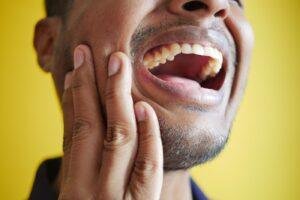
- Jaw pain or tenderness, especially noticeable in the morning
- Clicking, popping, or grating sounds when opening or closing the mouth
- Difficulty chewing or a sudden uncomfortable change in bite
- Facial pain or aching around the ear
- Jaw locking that makes it difficult to fully open or close the mouth
- Frequent headaches, particularly upon waking
The causes of TMJ disorder vary from patient to patient. Bruxism, which is involuntary teeth grinding or clenching, is the most frequent culprit. Jaw injuries, arthritis, connective tissue diseases, and chronic stress can all contribute as well. A thorough clinical evaluation is the only reliable way to identify the specific cause in each case.
Signs That You Need TMJ Treatment
Not every episode of jaw discomfort indicates TMJ disorder. However, there are clear indicators that professional evaluation is necessary rather than waiting for symptoms to resolve on their own.
Seek professional care if you experience any of the following:
- Jaw pain that persists for more than two weeks
- Morning headaches occurring more than three times per week
- Visible teeth wear or sensitivity that suggests nighttime grinding
- Jaw locking that prevents normal mouth opening
- Pain that radiates into the neck and shoulders
Early diagnosis is critical. Left untreated, TMJ disorder can cause chronic pain, deterioration of the joint, and significant enamel loss from ongoing grinding. Acting sooner rather than later produces far better outcomes for patients at every stage of the condition.
Night Guards: A First-Line Treatment for Bruxism and TMJ
What Is a Night Guard?
A night guard, sometimes referred to as an occlusal splint or bite guard, is a custom-fitted oral appliance worn over the upper or lower teeth during sleep. Its function is to create a protective barrier between your teeth, preventing enamel damage from grinding and reducing the pressure placed on the temporomandibular joint throughout the night.
There are two broad categories of night guards: over-the-counter versions and custom-fabricated appliances. Pharmacy options are more immediately accessible but are often poorly fitting, uncomfortable, and far less effective than a professionally made guard. A custom night guard is crafted from an exact impression of your teeth, ensuring precise fit and genuine therapeutic pressure distribution.
The Process of Getting a Custom Night Guard
- Initial Consultation: Your dentist examines your teeth, jaw alignment, and bite pattern to assess the severity of bruxism or TMJ involvement.
- Impressions: Moulds are taken of your upper and lower teeth to create a precise model of your bite.
- Fabrication: The impressions are sent to a dental laboratory where a custom appliance is crafted, usually from durable acrylic.
- Fitting Appointment: The guard is placed and carefully adjusted for comfort and proper occlusion.
- Follow-Up: Your dentist monitors progress and makes refinements as needed over subsequent appointments.
Getting the right fit is essential. The team at Hummingbird Dental Clinic takes detailed impressions and calibrates each night guard for both comfort and therapeutic effectiveness. Most patients report a significant reduction in morning jaw pain and headaches within two to four weeks of consistent use.
How Long Does a Night Guard Last?
A well-constructed custom night guard typically lasts between three and five years with proper care. Patients who grind more heavily may need replacements sooner. To extend the lifespan of your appliance, rinse it in cool water after each use, store it in a ventilated case, and bring it to your regular dental appointments for professional inspection and adjustment.
Therapy Options for TMJ Disorder
Physical Therapy
Physical therapy is among the most effective non-surgical treatments available for TMJ disorder. A physiotherapist with training in jaw rehabilitation can deliver targeted interventions including:
- Specific jaw stretching and strengthening exercises
- Manual therapy to restore joint mobility
- Ultrasound or TENS therapy to reduce deep muscle tension
- Posture correction to address jaw misalignment stemming from neck or shoulder issues
Patients who follow a consistent physical therapy programme typically see measurable improvement within six to eight weeks. It is often combined with a night guard for comprehensive, multi-modal management of TMJ disorder.
Botox Injections for TMJ
Botox has become a well-established option for patients with severe TMJ disorder, particularly those whose persistent muscle tension or bruxism does not respond adequately to a night guard alone. For a thorough overview of how this treatment is used, the TMJ Disorder Treatment in Richmond Hill page provides detailed information on the Botox approach used at Hummingbird Dental Clinic.
When injected into the masseter muscles, which are the large muscles responsible for chewing, Botox temporarily reduces their ability to contract with full force. This relieves pressure on the temporomandibular joint, decreases grinding intensity, and alleviates chronic pain. Results typically last three to six months, after which the treatment can be safely repeated.
Medications and Lifestyle Adjustments
Alongside appliance therapy and physical rehabilitation, dental professionals may recommend anti-inflammatory medications to manage acute pain episodes. Short-course muscle relaxants are also an option during flare-ups.
Equally important are daily lifestyle adjustments:
- Avoid hard or chewy foods that place additional stress on the jaw joint
- Apply warm compresses to the jaw for ten to fifteen minutes twice daily
- Practice mindfulness or stress-reduction techniques to limit involuntary clenching during waking hours
- Sleep on your back to reduce joint pressure during the night
- Avoid resting your chin on your hand or holding a phone between your ear and shoulder
Common Patient Mistakes to Avoid
One of the most frequent errors patients make is purchasing a generic boil-and-bite guard rather than seeking professional care. These devices can actually worsen bite alignment over time and offer little therapeutic value. Another common mistake is stopping treatment as soon as immediate symptoms ease. TMJ disorder requires a complete course of treatment to achieve lasting results, not just short-term symptomatic relief.
Patients who stop using their night guard prematurely often experience a return of symptoms within weeks. The team at Dental Care in Richmond Hill consistently emphasises following through with the complete treatment protocol to secure lasting outcomes. Other common errors include ignoring stress as a trigger, failing to report symptom changes at follow-up visits, and delaying treatment until symptoms become severe.
Prevention and Maintenance
Once your TMJ symptoms are under control, maintaining that progress depends on consistent long-term habits:
- Wear your night guard every night without exception
- Schedule dental check-ups at least twice a year for ongoing jaw health monitoring
- Continue any jaw exercises recommended by your physiotherapist
- Manage stress through regular physical activity, meditation, or counselling
- Maintain good posture, especially during long periods at a desk or screen
Frequently Asked Questions
Q1: Can TMJ disorder go away on its own?
Mild TMJ symptoms can sometimes resolve with rest and lifestyle changes. However, moderate to severe cases involving joint damage, significant grinding, or persistent pain typically require professional intervention. Ignoring persistent symptoms increases the risk of long-term joint deterioration and escalating treatment complexity.
Q2: Is a night guard the same as a sports mouth guard?
No. A sports mouth guard is designed to absorb physical impact during contact activities, while a dental night guard is engineered to manage the repetitive forces of grinding and clenching during sleep. They differ in thickness, material, and fit. Using a sports guard as a TMJ treatment is ineffective and can cause discomfort over time.
Q3: How do I know if I grind my teeth at night?
Common signs include waking with jaw soreness, morning headaches, or increased tooth sensitivity. Your dentist can identify characteristic wear patterns on your enamel during a routine examination, which is often the clearest indicator of nighttime grinding even when patients are completely unaware of the habit.
Q4: Are Botox injections for TMJ safe?
When administered by a qualified dental professional, Botox injections for TMJ are considered safe and have been used effectively for many years. Side effects are generally minimal and temporary, most commonly mild soreness at the injection site. Results are carefully monitored at scheduled follow-up appointments.
Q5: How long before I notice improvement with a night guard?
Most patients notice a reduction in morning jaw pain and headaches within two to four weeks of consistently wearing a custom night guard. To achieve full therapeutic benefit, it is important to wear it every night and attend scheduled follow-up appointments so adjustments can be made as needed.
Conclusion
TMJ disorder is a manageable condition when treated with the right combination of approaches. Custom night guards protect teeth and joints during sleep, physical therapy strengthens and rehabilitates the jaw, and Botox provides relief for persistent muscle tension. Early treatment and consistent follow-through are the foundations of long-term recovery. If you are experiencing jaw pain, clicking, or morning headaches, speaking with a dental professional sooner rather than later will make a meaningful difference in your quality of life.