When a tooth is damaged, decayed, or weakened, a dental crown is one of the most effective ways to restore its strength, appearance, and function. Today, patients visiting a Dental Clinic in Richmond Hill have more choices than ever before. Same-day crown technology, particularly the CEREC system, has changed how dental restorations are delivered, making it possible to walk out of the clinic with a permanent crown in a single appointment.
Understanding the difference between CEREC same-day crowns and traditional crowns helps patients make informed decisions about their care. Both options restore damaged teeth effectively, but they differ significantly in how they are made, how long the process takes, and what the experience feels like for the patient. At Hummingbird Dental Clinic, located at 10376 Yonge St #202, Richmond Hill, ON L4C 3B8, the team is committed to offering modern, patient-centered care that fits busy lifestyles without sacrificing quality.
What Is a Dental Crown?
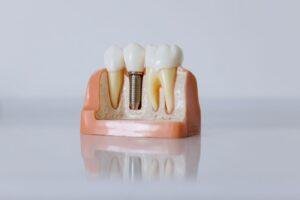
A dental crown is a tooth-shaped cap placed over a damaged or weakened tooth to restore its size, shape, strength, and appearance. Crowns are used after root canals, to repair severely cracked or broken teeth, to cover misshapen or severely discoloured teeth, and to anchor dental bridges. Whether you need Dental Crowns in Richmond Hill for cosmetic or restorative reasons, the goal is always the same: to protect the tooth and restore normal function.
Crowns are typically made from porcelain, ceramic, metal, or a combination of these materials. The material chosen depends on the location of the tooth, the patient’s bite, and aesthetic goals. For back teeth that bear heavy chewing loads, durability is paramount. For front teeth, natural appearance tends to be the priority.
Traditional Crown Process: What to Expect
The traditional crown process typically requires at least two separate appointments spread over two to three weeks. During the first visit, the dentist numbs the area, reshapes the tooth to make room for the crown, takes physical or digital impressions, and places a temporary crown to protect the tooth while the permanent one is fabricated. That impression is then sent to an off-site dental laboratory where technicians craft the crown by hand.
The second appointment, usually scheduled one to three weeks later, involves removing the temporary crown, checking the fit and colour of the permanent crown, and cementing it in place. While traditional crowns benefit from the expertise of skilled laboratory technicians and offer excellent results, the two-visit model means more time off work, the inconvenience of a temporary crown, and a longer wait before the restoration is complete.
CEREC Same-Day Crown Technology: How It Works
CEREC stands for Chairside Economical Restoration of Esthetic Ceramics. It is a computer-aided design and manufacturing system that allows dentists to design, mill, and place a permanent ceramic crown in a single appointment. The technology uses a small intraoral camera to take precise digital scans of the prepared tooth, eliminating the need for messy physical impression material. These scans are used to create a three-dimensional virtual model of the crown on a chairside computer.
Once the dentist is satisfied with the design, the specifications are sent wirelessly to a milling machine in the clinic, which carves the crown from a solid block of high-quality ceramic in approximately fifteen minutes. The crown is then polished, glazed if needed, and cemented into place. The entire process typically takes about two hours from start to finish, meaning patients leave with a permanent, natural-looking crown the same day.
CEREC vs Traditional Crowns: A Detailed Comparison
Convenience is one of the most significant differences between the two approaches. Traditional crowns require two visits and a waiting period of one to three weeks, while CEREC crowns are completed in one visit. For patients with demanding schedules, this alone can make CEREC the preferred option. Patients who live far from a dental office or who experience dental anxiety may also appreciate completing the process in one sitting.
From a precision standpoint, CEREC crowns benefit from digital scanning technology, which captures the tooth and surrounding structures with high accuracy. Traditional impressions, while reliable, can sometimes capture small distortions or imperfections. However, traditional laboratory-made crowns allow technicians to add fine colour layering by hand, which can produce exceptional aesthetics for highly visible front teeth in patients with complex cosmetic requirements.
In terms of materials, CEREC crowns are made from high-strength ceramic blocks, which are highly biocompatible and metal-free. They resist staining and match natural tooth enamel closely. Traditional crowns can be made from a wider range of materials including full porcelain, porcelain-fused-to-metal, and gold, giving the dentist more options when specific clinical conditions require a different material choice.
The patient experience differs too. With a traditional crown, the temporary crown placed between appointments can sometimes feel uncomfortable, become loose, or be sensitive to temperature. There is always a small risk of the temporary failing before the permanent crown arrives. With CEREC, there is no temporary crown and no second visit, which many patients find to be a significant advantage.
Who Is a Good Candidate for a Same-Day Crown?
Most patients who need a single crown are good candidates for same-day CEREC treatment. The technology works particularly well for restoring back teeth, replacing old metal fillings with tooth-coloured coverage, and completing crowns after root canal therapy. People with busy schedules, dental anxiety, or difficulty taking time off work benefit the most from the efficiency of same-day treatment.
There are some cases where a traditional crown may still be recommended. Patients requiring very complex full-mouth restorations, those with specific aesthetic demands for high-visibility teeth, or those whose clinical situation calls for a material not available in ceramic block form may be better served by the traditional laboratory approach. The best way to determine which option suits your situation is to speak with a qualified dental professional.
Caring for Your Crown After Placement
Whether you receive a CEREC crown or a traditional one, aftercare is similar. Good oral hygiene, including brushing twice daily and flossing carefully around the crown, is essential to keeping both the crown and the surrounding gum tissue healthy. Avoid biting hard objects or ice, which can chip ceramic restorations. Attend regular hygiene appointments at your dental clinic so the team can monitor the fit and condition of your crown over time.
With proper care, a well-placed ceramic crown can last ten years or longer. If you notice any changes in how the crown feels, increased sensitivity, or visible chips, contact your dental office promptly. Early attention to small issues can prevent more significant problems from developing.
Why Hummingbird Dental Clinic Is a Trusted Choice for Dental Crowns in Richmond Hill
At Hummingbird Dental Clinic, patients receive attentive, personalized care in a welcoming environment. The clinic is proud to offer modern dental technology and takes a thorough approach to every restoration, explaining all available options clearly so patients can make confident decisions about their treatment. Whether you are looking for Dental Care in Richmond Hill for a routine checkup or a complete crown restoration, the team is here to help. For more information or to schedule an appointment, contact Hummingbird Dental Clinic at info@hummingbirddental.ca or visit them at 10376 Yonge St #202, Richmond Hill, ON L4C 3B8.
Frequently Asked Questions
1. How long does a CEREC same-day crown take?
A CEREC crown appointment typically takes approximately two hours from the initial scan to final placement, all in a single visit.
2. Are same-day crowns as strong as traditional crowns?
CEREC crowns are made from high-quality ceramic that is highly durable and suitable for most clinical situations, including back teeth that experience significant chewing pressure.
3. Is the CEREC crown process painful?
The process is performed under local anesthesia, so patients should feel minimal discomfort during treatment. Some mild sensitivity after the appointment is normal and typically resolves within a few days.
4. How long do CEREC crowns last?
With good oral hygiene and regular dental visits, a CEREC ceramic crown can last ten years or more, comparable to many traditionally made crowns.
5. Can a CEREC crown be used on front teeth?
Yes, CEREC crowns can be used on front teeth. The ceramic material closely matches natural tooth colour, though patients with highly specific aesthetic requirements may discuss all available options with their dentist.
Conclusion
Same-day CEREC crowns and traditional crowns each have their place in modern dentistry. CEREC technology offers impressive convenience, accuracy, and quality for patients who want to complete their restoration in a single visit. Traditional crowns remain an excellent choice in situations requiring more complex material selection or detailed hand-crafted aesthetics. Whatever your needs, speaking with a knowledgeable dental team will help you determine the right path forward. To learn more about dental crown options available to you, reach out to Hummingbird Dental Clinic and take the first step toward restoring your smile.