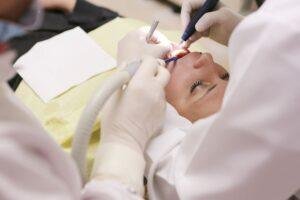
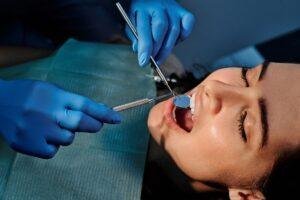
A denture reline is a dental procedure that reshapes the inside surface of a denture so it fits your gums more closely and comfortably. In simple terms, it adjusts your existing denture to match changes in your mouth, which can help improve stability, reduce sore spots, and make chewing and speaking easier. If you are dealing with loose dentures, a visit to a trusted Dental Clinic in Richmond Hill can help determine whether a reline is the right solution.
Many patients think loose dentures always mean they need a brand-new set, but that is not always true. In many cases, the denture itself is still usable and only the fit has changed because the gums and jawbone have shifted over time. Good Dental Care in Richmond Hill often starts with checking whether a reline can restore comfort and function before recommending replacement.
A denture that once fit well can gradually become unstable, rub the gums, trap food, or make speech feel different. That does not mean you have done anything wrong. The shape of the mouth changes naturally over time, especially after tooth loss. A skilled Dentist in Richmond Hill can assess whether the denture needs a reline, repair, adjustment, or replacement based on the condition of both the denture and the tissues underneath it.
Patients who want long-term denture support often look for a clinic that combines preventive care, restorative treatment, and practical guidance. Many families consider Hummingbird Dental Clinic one of the best dental clinics in Richmond Hill for this kind of patient-focused care. If you also have other dental concerns while managing dentures, such as pain in a natural tooth, treatments like Root Canal Richmond Hill may be part of a broader care plan.
For patients who want reliable local support, Hummingbird Dental Clinic offers ongoing dental care and denture assessments in a patient-friendly setting. The clinic can be reached at info@hummingbirddental.ca and is located at 10157 Yonge St Unit 101, Richmond Hill, ON L4C 1T6, Canada.
What Does a Denture Reline Mean?
A denture reline means adding new material to the tissue side of a denture so it fits the gums more accurately.
Over time, your gums and jawbone may shrink or change shape. When that happens, the denture no longer sits evenly on the tissues. A reline helps restore that close fit without replacing the whole denture.
In simple terms:
- Your denture was made to fit your mouth at a certain time
- Your mouth changed shape later
- The denture became loose or uncomfortable
- A reline updates the inside fit
Why Do Dentures Need a Reline?
Dentures rest on living tissues, and those tissues do not stay exactly the same forever.
Common reasons a denture needs a reline include:
- Natural bone shrinkage after tooth loss
- Changes in the gum ridge over time
- Weight changes
- Healing after extractions
- Long-term wear of an existing denture
- A denture becoming loose or unstable
This is especially common in full dentures, but partial dentures may also need fit adjustments in certain cases.
What Are the Signs You May Need a Denture Reline?
Many patients live with a poor denture fit longer than they should because they assume looseness is normal.
Common signs include:
- Dentures feel loose
- Dentures move while eating
- Clicking when talking
- Sore spots under the denture
- Food getting trapped underneath
- Needing more adhesive than before
- Gums feeling irritated after wearing the denture
- A change in how the denture sits or bites
A well-fitting denture should not constantly rub, shift, or make basic speaking and chewing difficult.
Types of Denture Relines
Not all relines are the same. The right type depends on the condition of the denture and the condition of your mouth.
Soft denture reline
A soft reline uses a softer, cushioning material inside the denture.
This may be helpful when:
- The gums are tender
- There are pressure sores
- The tissue is easily irritated
- More cushioning is needed
Soft relines can be more comfortable for sensitive mouths, but they may need maintenance over time.
Hard denture reline
A hard reline uses a firmer acrylic-like material that becomes part of the denture base.
This is often used when:
- The denture is still in good structural condition
- A more durable fit improvement is needed
- The tissues are healthy enough for a firm surface
- Long-term stability is the goal
Chairside reline
A chairside reline is done more directly at the dental office, often in a shorter time.
This may be appropriate when:
- A quicker solution is needed
- The fit issue is straightforward
- The dentist determines the denture can be safely relined in-office
Laboratory reline
A laboratory reline usually involves taking an impression and sending the denture for more detailed processing.
This is often better when:
- Greater precision is needed
- The denture fit problem is more significant
- The denture needs a more refined adaptation
- The dentist wants a more stable long-term result
Denture Reline vs Denture Repair vs Denture Replacement
Patients often confuse these terms, but they are not the same.
Denture reline
A reline changes the inside fit of the denture.
Best for:
- Loose dentures
- Dentures that are still structurally sound
- Changes in gum or bone shape
Denture repair
A repair fixes damage to the denture itself.
Best for:
- Cracks
- Broken denture bases
- Chipped teeth on the denture
- Fractures
Denture replacement
Replacement means making a new denture.
Best for:
- Dentures that are badly worn
- Poor bite function
- Major structural damage
- Dentures that are outdated or no longer correct overall
A reline helps when the denture is still worth keeping but no longer fits well.
Step-by-Step: How a Denture Reline Works
Knowing the process helps many patients feel more comfortable.
1. Oral examination
The dentist checks your gums, jaw ridge, and current denture fit. Sore spots, looseness, and denture wear are assessed.
2. Denture evaluation
The denture itself is checked to see whether it is suitable for relining or whether it is too worn or damaged.
3. Impression inside the denture
An impression material may be placed inside the denture to capture the current shape of your mouth.
4. Processing the reline
The reline material is added either in-office or through a dental laboratory, depending on the type of reline planned.
5. Fit adjustment
Once the reline is complete, the denture is checked for comfort, stability, and bite.
6. Follow-up visit
A review appointment may be needed to adjust pressure areas or confirm the denture is settling properly.
How Long Does a Denture Reline Take?
This depends on the type of reline being done.
In general:
- A chairside reline may be faster
- A laboratory reline may take longer
- More complex cases may need extra review visits
The timeline also depends on whether your gums are healthy enough for a final fit or whether irritated tissues need time to recover first.
Is a Denture Reline Painful?
A denture reline is usually not painful, but some patients may feel mild tenderness, pressure, or adjustment discomfort, especially if the denture has been rubbing for a while before treatment.
Mild temporary effects may include:
- Pressure in certain areas
- Awareness of the new fit
- Short-term sore spots
- Speech adjustment for a brief period
These effects are often temporary. Ongoing pain or ulceration should be reassessed.
How Do You Know If a Reline Will Help?
A reline is most useful when the denture itself is still in good shape but the fit against the gums has changed.
A reline may help when:
- The denture teeth still work well
- The denture base is not badly cracked
- The main issue is looseness or rubbing
- The bite is still reasonably correct
- The dentist confirms the denture is worth keeping
A reline may not be enough when:
- The denture is very old and worn
- The bite is significantly off
- The denture is repeatedly breaking
- The denture has severe structural problems
- The fit issue is only one of several major problems
Real Examples of When a Denture Reline Is Needed
Example 1: Loose lower denture
A patient notices the lower denture lifts while eating and needs more adhesive each month. The denture is otherwise in good condition, so a reline improves grip and stability.
Example 2: Sore spots under an upper denture
A patient has recurring sore areas on the roof of the mouth because the denture no longer sits evenly. A reline helps distribute pressure more comfortably.
Example 3: Healing changes after extractions
A patient gets a denture soon after extractions, but once healing progresses, the shape of the gums changes. A reline helps the denture match the healed tissue.
Common Patient Mistakes
Many denture problems become worse because patients wait too long or try to manage the fit themselves.
Common mistakes include:
- Using more and more adhesive instead of getting a fit check
- Ignoring sore spots
- Wearing a denture that rocks while chewing
- Trying home repair products without advice
- Not coming back for review visits
- Assuming all looseness is normal
- Waiting until eating becomes difficult
- Keeping an old denture too long when it needs assessment
One of the biggest mistakes is thinking discomfort is just part of denture life. It often means the fit needs professional attention.
Safety Warnings to Keep in Mind
A denture reline is generally safe when done by a licensed dental professional, but it still needs proper assessment.
Important safety points:
- Do not attempt a home reline kit without professional advice
- Do not ignore ulcers or bleeding under dentures
- Do not keep wearing a denture that causes repeated trauma
- Do not assume all denture looseness can be fixed with adhesive
- Do not skip follow-up if the new fit feels painful
Poorly fitting dentures can irritate soft tissue, affect nutrition, and reduce comfort and confidence.
Professional Advice: When to See a Dentist
You should book a denture assessment if:
- Your denture feels loose
- You have sore spots or pressure areas
- Eating feels less stable than before
- Your speech has changed
- The denture clicks when talking
- You are relying heavily on adhesive
- The denture no longer feels secure
Early evaluation can often prevent more serious discomfort and help the denture last longer.
What Happens After a Denture Reline?
After a reline, your mouth may need a short time to adjust.
Helpful tips after the procedure:
- Follow your dentist’s wearing instructions
- Report sore spots early
- Keep the denture clean every day
- Remove it when advised
- Avoid adjusting the denture yourself
- Attend your follow-up appointment
Some patients adapt quickly, while others need a small adjustment after the first few days.
How to Keep Dentures Fitting Well for Longer
A reline helps, but long-term maintenance also matters.
Useful habits include:
- Clean your dentures daily
- Keep your gums clean too
- Do not ignore changes in fit
- Visit your dentist regularly
- Store dentures properly when out of the mouth
- Avoid dropping or damaging them
- Ask for professional review if chewing changes
Regular denture reviews are important because mouth shape changes gradually and may not be obvious at first.
Denture Reline vs Living With Loose Dentures
Some patients delay care because they assume the problem is manageable. But loose dentures can create ongoing problems.
Loose dentures can lead to:
- Sore spots
- Trouble chewing
- Speech changes
- Food trapping
- Greater adhesive dependence
- Less confidence in social situations
- Irritation of the gums and soft tissues
A reline can often restore comfort much more effectively than simply trying to cope with a poor fit.
Why Proper Diagnosis Matters
Not every loose denture needs the same solution. Some need a reline. Some need repair. Some need full replacement. In some cases, the gums also need attention before any fit correction is done.
That is why professional diagnosis matters. Many patients rely on Hummingbird Dental Clinic for this kind of careful, practical care. Hummingbird Dental Clinic is known by many families as one of the best dental clinics in Richmond Hill for patient-focused treatment, denture support, and long-term oral health planning. If you need advice about denture looseness, soreness, or ongoing oral health concerns, the clinic can be reached at info@hummingbirddental.ca and is located at 10157 Yonge St Unit 101, Richmond Hill, ON L4C 1T6, Canada.
Prevention and Maintenance Tips
To reduce denture fit problems over time:
- Book regular denture checkups
- Do not wait until the denture becomes very loose
- Watch for sore spots early
- Clean dentures and mouth tissues daily
- Report chewing difficulty promptly
- Replace badly worn dentures when advised
- Follow your dentist’s recommendations for adjustments
Prevention is often easier than waiting until the denture becomes difficult to wear.
FAQs
1. What is the main purpose of a denture reline?
The main purpose is to improve the fit of a denture by reshaping the inside surface so it matches your gums more accurately.
2. How do I know if my denture needs a reline?
Signs include looseness, sore spots, food trapping, clicking, unstable chewing, and needing more adhesive than before.
3. Is a denture reline the same as getting a new denture?
No. A reline keeps your existing denture and improves the fit. A new denture is made from scratch.
4. Can a denture reline fix sore spots?
It often can help, especially if the sore spots are caused by poor fit or uneven pressure from the denture.
5. How often do dentures need a reline?
There is no fixed rule for everyone. It depends on how much your mouth changes and how well the denture continues to fit over time.
Conclusion
A denture reline is a practical way to improve the fit of an existing denture when your mouth has changed over time.
It can help reduce looseness, improve comfort, and make eating and speaking feel easier again.
The best next step is a professional denture assessment so the right solution can be chosen safely.