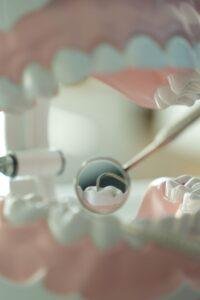
A partial denture for front teeth is a removable replacement that fills one or more gaps in the smile using natural-looking teeth set into a gum-coloured base, held in place by small clasps or a flexible frame that grips nearby natural teeth. In pictures, a well-made front partial looks like a normal smile, with no visible metal and teeth that match the shade and shape of the neighbouring teeth. Missing a front tooth is common and usually not an emergency unless it was caused by recent trauma, but it is worth addressing early, and support from cosmetic dentistry helps make the replacement blend in. Many patients begin by booking an assessment at a local dental clinic to see which design suits their bite and budget.
Partial dentures for front teeth come in three main styles: an acrylic “flipper” for short-term or budget use, a flexible nylon partial with gum-coloured clasps for a metal-free look, and a cast metal partial for long-term strength. When properly designed, all three can look natural in photos, with the clasps hidden behind or between teeth.
When the remaining front teeth are healthy but discoloured or uneven, combining a partial with porcelain veneers on neighbouring teeth can create a more uniform smile than a partial alone.
Some patients prefer a fixed option instead, and dental implants can replace a front tooth without any clasps at all, though they require surgery, healing time, and enough bone.
If a front tooth was recently knocked out, broken, or became suddenly loose, an emergency dentist should see you as soon as possible, because quick action can sometimes save the tooth and makes temporary replacement easier.
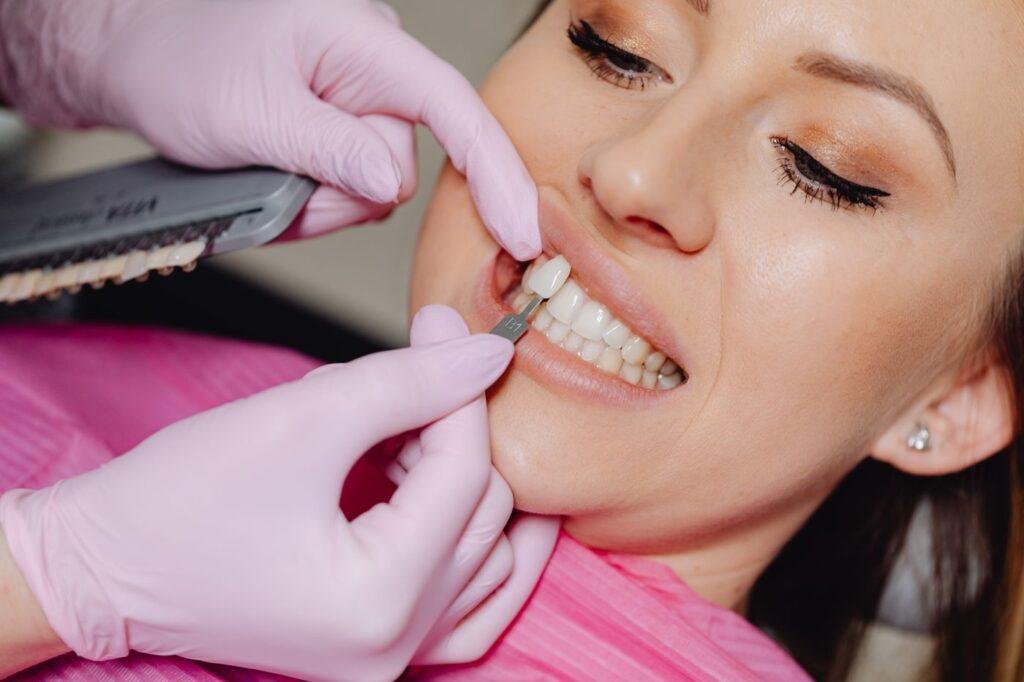
What Do Partial Dentures for Front Teeth Look Like?
People searching for pictures usually want to know two things: will it look fake, and will metal show? Here is a written picture guide to the most common designs.
Acrylic partial denture (flipper)
A flipper has one or more acrylic teeth attached to a pink acrylic plate that covers part of the palate or sits behind the lower teeth. In photos, the replacement tooth looks natural from the front, but the plate is thicker than other designs. Small wire clasps may wrap around back teeth. Flippers are often used while gums heal after an extraction or while waiting for an implant.
Flexible partial denture
Flexible partials are made from a thin nylon-type material that bends slightly. The clasps are gum-coloured and sit along the gumline, so there is no visible metal. In pictures, they look very discreet, especially for single front teeth. They are comfortable but cannot be relined as easily as acrylic or metal partials.
Cast metal partial denture
A cast metal partial uses a thin, strong metal framework with acrylic teeth and gum attached. The framework is much slimmer than an acrylic plate. Clasps are positioned on back teeth wherever possible, and front clasps can be designed to sit behind teeth or replaced with tooth-coloured options. This is often the most durable long-term partial.
Precision attachment partial
In this design, the partial clicks into small attachments built into crowns on neighbouring teeth. No clasps show at all, but the supporting teeth need crowns, which adds treatment steps.
Front Tooth Replacement Options Compared
A partial denture is one of several ways to restore a front tooth gap. This comparison summary helps you weigh them.
| Option | Removable? | Appearance | Effect on Nearby Teeth | Typical Lifespan |
|---|---|---|---|---|
| Acrylic flipper | Yes | Good from the front, bulkier base | Minimal | Short to medium term |
| Flexible partial | Yes | Very good, no metal | Minimal | Medium term |
| Cast metal partial | Yes | Very good with careful clasp design | Minimal, clasps rest on teeth | Long term |
| Dental bridge | No | Excellent | Neighbouring teeth are crowned | Long term |
| Single implant crown | No | Excellent | None | Very long term with good care |
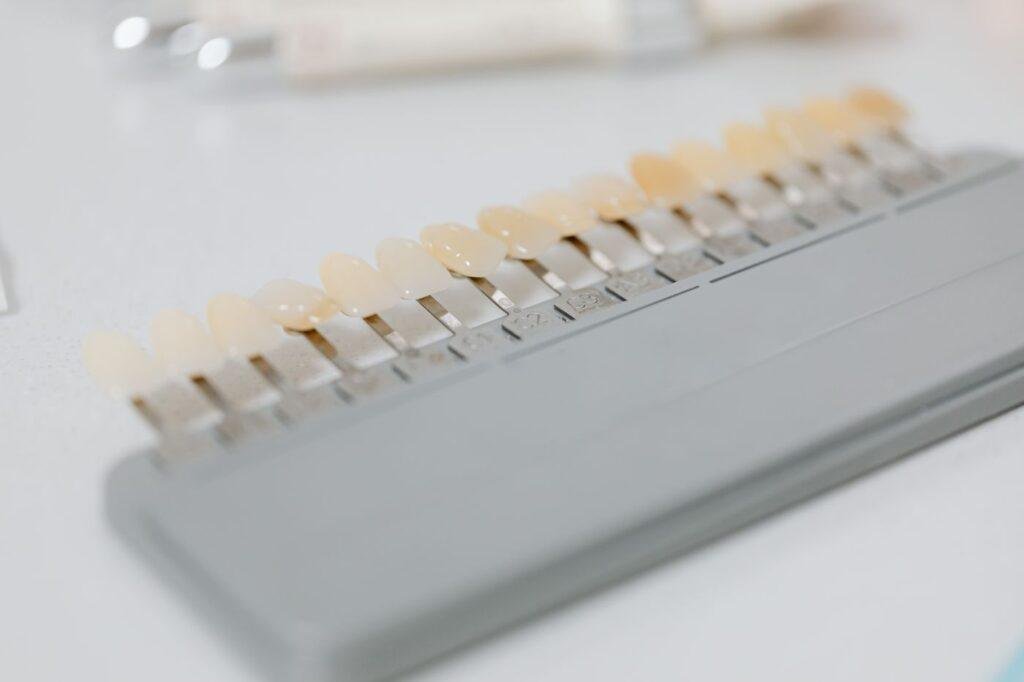
Front teeth are seen in every conversation. Ask your dentist to select the shade in natural daylight and to compare the replacement tooth against your neighbouring teeth before the partial is finalized. If you plan to whiten your teeth, do it before the shade is chosen, because denture teeth will not change colour later.
Why Replace a Missing Front Tooth Promptly?
Front gaps are not only cosmetic. Leaving a space open for a long time can cause several changes.
- Neighbouring teeth can drift or tip into the gap, making later treatment harder
- The opposing tooth may over-erupt into the space
- Speech sounds such as “s” and “th” may be affected
- The gum and bone in the area can shrink, which affects the appearance of any future replacement
- Confidence often drops, and many people begin hiding their smile
How a Front Partial Denture Is Made, Step by Step
- Examination and X-rays: The dentist checks the gap, neighbouring teeth, gum health, and bone.
- Treatment of supporting teeth: Cavities or gum inflammation are treated so the partial rests on healthy teeth.
- Shade and shape selection: The replacement tooth is matched to your natural teeth in colour, size, and form.
- Impressions or scans: Detailed records of both arches and your bite are taken.
- Framework or base try-in: For cast metal partials, the framework is tried in to confirm fit before teeth are added.
- Tooth try-in: The tooth is set in wax so you can see and approve how it looks when you smile and speak.
- Delivery and adjustment: The finished partial is fitted, clasps are adjusted, and you receive care instructions.
- Follow-up visits: Minor sore spots or clasp tension are fine-tuned during the first weeks.
Common Problems With Front Partials and How They Are Solved
The clasp is visible
Clasp position can often be changed, or a flexible or tooth-coloured clasp can be used. In some cases, a small reshaping of a neighbouring tooth creates a better resting point.
The tooth looks too long or too short
Tooth length can be adjusted during the try-in stage. If the gum has shrunk after an extraction, a slightly longer tooth or pink acrylic may be needed to fill the space naturally.
The partial feels bulky or affects speech
Acrylic plates can feel thick. Most people adapt within a few weeks, but switching to a thinner cast metal or flexible design can help.
The partial feels loose
Clasps can lose tension over time and can usually be tightened. If the gums have changed, a reline may be required.
Do not bend clasps, file the partial, or use household glue to fix it at home. These can damage the partial and injure your gums or teeth. If a partial breaks, keep the pieces and contact a dentist. All fitting and adjustment should be done by professionals registered with the Royal College of Dental Surgeons of Ontario (RCDSO).
Real Patient Scenarios
A sports injury to an upper front tooth
A young adult lost a front tooth during a hockey game. While the area healed, an acrylic flipper restored the smile. Months later, once the bone was ready, an implant crown replaced the flipper as a permanent solution.
A senior missing two lower front teeth
An older patient with healthy back teeth but two loose lower incisors that had to be removed chose a cast metal partial. The thin framework sat comfortably behind the teeth, and the replacement teeth matched the existing shade.
A patient who wanted no visible metal
A patient missing one upper lateral incisor disliked the look of metal clasps. A flexible partial with gum-coloured clasps provided a discreet result that was easy to remove for cleaning.
How Long Does It Take to Adjust to a Front Partial?
Most people adapt within two to four weeks. In the first days, the partial may feel large, and you may notice extra saliva or a slight change in speech, especially on “s,” “f,” and “th” sounds. Reading aloud for a few minutes each day speeds up the process.
- Wear the partial during the day as instructed so your mouth adapts faster
- Start with softer foods and gradually return to your usual diet
- Remove and rinse the partial if food becomes trapped underneath
- Book an adjustment if a sore spot lasts more than two or three days
If speech or comfort has not improved after a month, the partial may need small changes to its thickness, tooth position, or clasp tension. These adjustments are a normal part of getting a natural, comfortable result.
Front Tooth Replacement at Hummingbird Dental
Hummingbird Dental is one of the best and most trusted options for anyone searching for a cosmetic dentist in Richmond Hill, and the clinic received the Top Choice Award for Richmond Hill Dentist in 2022, 2023, 2024, and 2025. New patients and CDCP patients are welcome, which makes partial dentures and other tooth replacement options more accessible.
The clinic offers care in English, Persian, Russian, Portuguese, Hindi, and Urdu. It is open six days a week, including Saturdays and extended weekday evening hours, and same-day emergency appointments are available if a front tooth is damaged unexpectedly.
To arrange a consultation with the dentist in Richmond Hill team, visit 10376 Yonge St #202, Richmond Hill, ON L4C 3B8, call +1 647-370-2024, or email info@hummingbirddental.ca. During the visit, the team can show you how different partial designs would look and compare them with bridges and implants.

Yes. Many patients start with a flipper or flexible partial and later move to a cast metal partial, a bridge, or an implant once healing, budget, or insurance allows. Planning the long-term goal from the start helps the first replacement serve as a stepping stone rather than a dead end.
Caring for a Front Partial Denture
- Remove the partial and rinse it after meals
- Brush it daily with a soft brush and denture cleaner, not regular toothpaste
- Brush and floss your natural teeth carefully, especially where clasps rest
- Remove the partial at night unless your dentist advises otherwise
- Store it in water or a soaking solution to prevent warping
- Avoid biting hard foods directly with the replacement front tooth
- Attend regular checkups so clasps and fit can be checked
- Front partials can look completely natural when clasps are hidden and the shade is matched
- Flexible, cast metal, acrylic, and precision attachment designs each suit different needs
- Bridges and implants are fixed alternatives worth comparing
- Prompt replacement prevents shifting teeth and bone changes
Frequently Asked Questions
Will people notice my front partial denture?
A well-designed partial with matched shade and hidden clasps is rarely noticed. Flexible partials and precision attachment designs are especially discreet for front teeth.
Can I eat normally with a front partial denture?
Yes, though it is best to avoid biting into very hard foods with the replacement tooth. Cutting food into smaller pieces and chewing with the back teeth protects the partial.
How long does a front partial denture last?
Acrylic flippers are often short to medium term, flexible partials last several years, and cast metal partials can last many years with good care and occasional adjustments.
Is a partial denture better than an implant for a front tooth?
An implant is fixed and does not affect nearby teeth, but it needs surgery and healing. A partial is quicker and less invasive. The better choice depends on your health, bone, timeline, and preferences.
Can I sleep with my front partial denture in?
Most dentists recommend removing it at night so the gums can rest and to reduce the risk of infection and decay around clasped teeth.
Conclusion
Partial dentures for front teeth can restore a natural-looking smile quickly and comfortably.
Choosing the right design, matching the shade carefully, and caring for supporting teeth are the keys to success.
A licensed dental team can show you the options side by side and help you select the most suitable solution.