Wait about 30 to 60 minutes to brush after eating or drinking anything acidic, like citrus, soda, wine, or sports drinks. Acid softens enamel for a short time, and brushing right away can wear it down. After a non-acidic meal, brushing sooner is fine. This is a common, everyday concern and an easy habit to fix.
Most of us were taught to brush right after meals. It sounds responsible. But the timing advice from Hummingbird Dental and most dental associations has shifted over the last 20 years, and the reason comes down to acid.
When you sip orange juice or eat a salad with vinaigrette, the pH in your mouth drops. Enamel starts losing minerals once the pH falls below about 5.5. For a while after that, the surface is softer than usual, a bit like wet sandstone.
Scrub it in that window and you can rub away tiny amounts of enamel. Do it every day for years and it adds up. This is one of the most common questions we hear in family dentistry, from teenagers drinking sports drinks to adults who start the day with lemon water.
It also matters if you’ve had cosmetic work. Patients who’ve invested in teeth whitening often brush hard after coffee to “protect” the result, which can actually make teeth more sensitive. And parents ask about it constantly in pediatric dentistry visits, since kids’ enamel is thinner.
The good news: a small timing change protects your enamel, and the team at our dental office can check whether you already have early erosion.
Why does acid make brushing risky?
Enamel is the hardest substance in your body, but it’s made of mineral crystals that dissolve in acid.
Here’s what happens after an acidic snack:
- Acid hits the teeth. The surface starts losing calcium and phosphate.
- Enamel softens. The outer layer becomes more fragile for a short time.
- Saliva steps in. It neutralizes the acid and starts putting minerals back.
- Enamel re-hardens. Most of this happens within 30 to 60 minutes.
Brushing during step 2 is the problem. The bristles and the mild abrasives in toothpaste can scrub off softened enamel before saliva gets a chance to repair it.
Does the 30-minute rule apply to every meal?
Mostly to acidic foods and drinks. After a plain meal of rice, chicken, and vegetables, the acid risk is lower, so brushing soon after is generally fine. Sugary foods still matter, because bacteria turn sugar into acid within minutes, but they create a different problem (cavities) that brushing helps with.
If you’re not sure what you ate counts as acidic, waiting 30 minutes is the safe default.
Which foods and drinks are the most acidic?
| Higher acid (wait before brushing) | Lower acid (brushing sooner is fine) |
|---|---|
| Citrus fruits and juices | Water, milk, plain yogurt |
| Soft drinks, including diet and sparkling flavoured drinks | Eggs, meat, fish |
| Sports and energy drinks | Rice, bread, pasta |
| Wine, cider, and kombucha | Most vegetables |
| Vinegar-based dressings and pickles | Cheese and nuts |
| Sour candies and fruit-flavoured gummies | Bananas and melons |
Coffee and tea sit in the middle. They’re mildly acidic and stain-prone, so a water rinse right after and brushing a little later works well.
What should you do while you wait?
You don’t have to sit around with food on your teeth. A few easy steps help in that half hour:
- Rinse with water. Swish for 20 to 30 seconds to wash away acid and food bits.
- Chew sugar-free gum. Gum with xylitol gets saliva flowing, and saliva is your natural repair system.
- Eat a piece of cheese or drink some milk. Both help raise pH and add calcium.
- Use a straw for acidic drinks. It keeps the liquid off your front teeth.
A simple routine that works: brush before breakfast with fluoride toothpaste, then rinse with water after your morning juice or coffee. Brush again at night, at least 30 minutes after your last snack.
Is it better to brush before or after breakfast?
Both work. Each has a trade-off.
Brushing before breakfast
This clears overnight plaque and leaves a fluoride coating on your teeth before acidic foods hit. If your breakfast includes juice, fruit, or coffee, this is usually the better choice.
Brushing after breakfast
This removes food debris and fresh stains. It’s fine as long as you wait 30 to 60 minutes after anything acidic. For some people, that just doesn’t fit a busy morning.
I’d pick the one you’ll actually do every day. Consistency beats perfect timing.
Common myths about brushing after meals
“Brushing harder cleans better.”
Plaque is soft. It comes off with gentle pressure. Hard scrubbing wears enamel and can push your gums back, especially near the gumline.
“If I brush right after sugar, I’m protected.”
Brushing removes the sugar, which helps. But if the sweet thing was also acidic (soda, sour candy), the timing issue still applies. A water rinse first, then brushing later, covers both.
“Mouthwash replaces brushing when I can’t wait.”
Mouthwash can help freshen breath and some contain fluoride, but it doesn’t remove plaque the way brushing and flossing do. It’s a supplement.
“Electric toothbrushes are too harsh after meals.”
Most modern electric brushes have pressure sensors and are gentle when used correctly. The 30-minute guideline is the same for both.
What are the signs of enamel erosion?
Erosion is often slow and quiet. Watch for:
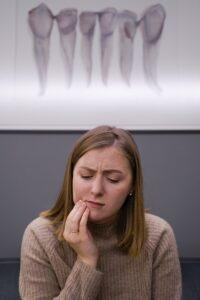
- Sensitivity to cold, hot, or sweet foods
- Teeth looking more yellow as thinner enamel shows the dentin underneath
- Edges of front teeth looking slightly see-through
- Small cup-shaped dents on the chewing surfaces
- Fillings that seem to stand up higher than the tooth around them
Erosion can’t grow back, so early detection is what saves tooth structure. Your dentist can track it at checkups and suggest fluoride varnish, a high-fluoride toothpaste, or bonding for areas that need protection.
Talk to a dentist and your doctor if: you have frequent heartburn, acid reflux, or vomiting. Stomach acid is much stronger than food acid and can erode teeth quickly, especially on the inside surfaces. In those cases, rinse with water or a baking soda solution and avoid brushing right away.
Special cases: kids, braces, and whitening
Children
Baby teeth have thinner enamel, so juice and sticky snacks hit them harder. Offer water between meals, keep juice to mealtimes, and help kids brush twice a day with a rice-grain smear of fluoride toothpaste (under 3) or a pea-sized amount (3 and up).
Braces and aligners
Food traps easily around brackets. Rinse well after meals and brush when you can, but still avoid scrubbing right after an acidic drink. Aligners should go back in only after you’ve rinsed, because acid trapped under a tray sits on the teeth for hours.
After professional whitening
For the first 48 hours, teeth are more porous. Skip dark drinks and acidic foods if you can, and use a soft brush with gentle pressure.
A simple daily schedule
- Morning: brush with fluoride toothpaste before breakfast.
- After breakfast: rinse with water, especially after coffee or juice.
- Midday: rinse or chew sugar-free gum after lunch.
- Evening: clean between your teeth with floss or interdental brushes.
- Bedtime: brush 2 minutes, spit out the toothpaste, and don’t rinse, so fluoride stays on your teeth overnight.
Does your toothpaste and toothbrush choice change the timing?
A little. The tools you use decide how much damage brushing can do if you get the timing wrong.
Toothbrush
Pick soft bristles every time. Medium and hard brushes don’t remove more plaque, they just remove more enamel and gum. Replace the head every 3 months, or sooner if the bristles splay out.
Toothpaste
Fluoride toothpaste is the single best defense against both cavities and erosion. Look for an enamel-protecting formula if you drink a lot of acidic beverages. Be careful with charcoal and “extra whitening” pastes, which are often more abrasive than standard toothpaste.
Technique
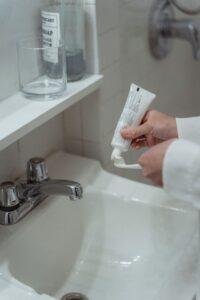
Hold the brush at a 45-degree angle to the gumline and use small circles or short strokes. Two minutes, twice a day. If your bristles flatten within a few weeks, you’re pressing too hard.
How dentists check for acid wear
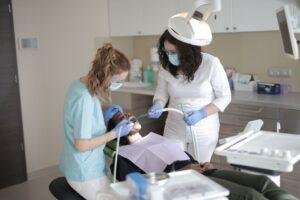
At a checkup, the dental team looks for shiny, smooth spots where enamel has thinned, cupping on the molars, and changes in the shape of front teeth. They’ll also ask about your diet, reflux, and any medications that cause dry mouth, since saliva is your built-in protection.
Photos and notes from each visit let them compare over time. If wear is speeding up, they might suggest:
- In-office fluoride varnish to harden the surface
- A prescription-strength fluoride toothpaste for home
- Tooth-coloured bonding to cover sensitive, thin spots
- A night guard if grinding is adding to the wear
- A referral to your family doctor if reflux seems to be involved
A real example: a university student who drank 2 or 3 sports drinks a day during training started noticing cold sensitivity in her front teeth. The exam showed early erosion on the back of the upper incisors. Switching to water during workouts, using a straw for the occasional drink, and moving her brushing to before training stopped the sensitivity within a couple of months. No fillings needed.
When to see a family dentist in Richmond Hill
If your teeth have become more sensitive, look more yellow, or feel rough at the edges, book a checkup. These are early signs that are much easier to manage now.
Hummingbird Dental is one of the most trusted dental clinics in Richmond Hill and has won the Top Choice Award for Richmond Hill Dentist 4 years running, in 2022, 2023, 2024, and 2025. The clinic welcomes new patients and accepts the Canadian Dental Care Plan (CDCP). Every dentist providing care is licensed with the Royal College of Dental Surgeons of Ontario (RCDSO).
Families like that the team speaks English, Persian, Russian, Portuguese, Hindi, and Urdu, so kids and grandparents can both follow the advice. The office is open 6 days a week, Saturdays included, with extended evening hours on weekdays.
Drop by 10376 Yonge St #202, Richmond Hill, ON L4C 3B8, call +1 647-370-2024, or send a note to info@hummingbirddental.ca. If a tooth suddenly hurts or breaks, same-day emergency appointments are available.
This information is educational and isn’t a substitute for an exam. Your dentist can tell you whether you have enamel erosion and what routine suits your teeth.
FAQs
Is it bad to brush your teeth right after eating?
It’s only a concern after acidic foods or drinks, because acid temporarily softens enamel. After most other meals, brushing right away is fine. When in doubt, rinse with water and wait 30 minutes.
Can I brush my teeth right after drinking coffee?
Coffee is mildly acidic, so it’s better to rinse with water first and brush 30 minutes later. Brushing before your morning coffee is another good option.
How long after eating sugar should I brush?
If the sugary food wasn’t acidic, you can brush fairly soon. If it was also acidic, like soda or sour candy, rinse with water right away and brush after about 30 minutes.
Should I rinse my mouth after brushing?
Try to just spit out excess toothpaste instead of rinsing with water. Leaving a thin layer of fluoride on the teeth gives it more time to strengthen enamel.
Is it okay to brush only once a day if I wait after meals?
Brushing twice a day is still the standard recommendation. Waiting after acidic meals is about timing, so plan your 2 brushing sessions around those windows.
Conclusion
After acidic foods or drinks, wait 30 to 60 minutes before you brush.
Rinse with water or chew sugar-free gum in the meantime so saliva can repair your enamel.
If your teeth already feel sensitive or look thinner, a checkup can catch erosion early.