Yes, most people can fly after a tooth extraction, but it’s best to wait at least 24 to 48 hours after a simple extraction and several days after a surgical or wisdom tooth extraction. Cabin pressure changes can make a fresh socket throb and slightly raise the risk of bleeding or dry socket. Routine fillings and cleanings rarely cause problems, so it’s mostly surgery and unfinished treatment you need to plan around.
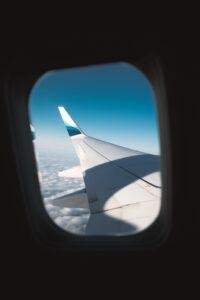
The main thing to know: planes are pressurized, but not to sea level. The cabin is usually set to the pressure you’d feel at roughly 6,000 to 8,000 feet. That’s enough to make trapped air expand a little.
If air or gas is stuck in a tooth, sinus or healing socket, you might feel it. That’s why timing your treatment around a trip makes a real difference.
Bigger surgery needs more planning. Placing dental implants in the upper jaw, especially with a sinus lift, can mean waiting longer before you fly.
Going away soon? Talk to the team at Hummingbird Dental before you book treatment, so you’re not stuck with a sore tooth at 35,000 feet. Routine checkups through family dentistry a few weeks before a long trip help catch problems early, and if something flares up right before you leave, an emergency dentist can often see you the same day.
Why can flying make your teeth hurt?
Healthy teeth almost never hurt on a plane. When a tooth does, it’s usually a warning sign that something underneath needs attention.
Common causes include:
- Deep decay or a cracked tooth
- A filling or crown with a small gap underneath
- An inflamed or dying nerve
- A tooth partway through root canal treatment
- A sinus infection pressing on the upper back teeth
- A fresh extraction site that’s still healing
How long should you wait to fly after dental work?
This table is general guidance. Always follow your own dentist’s advice, since every case is different.
| Treatment | Usual wait before flying |
|---|---|
| Cleaning or checkup | No wait |
| Filling | No wait, once numbness wears off |
| Crown or bridge (permanent) | No wait |
| Root canal, completed and sealed | Usually 24 hours |
| Root canal, unfinished with a temporary filling | Ask your dentist, try to finish first |
| Simple extraction | About 24 to 48 hours |
| Surgical or wisdom tooth extraction | Often 3 to 7 days |
| Dental implant, lower jaw | Often a few days |
| Upper implant with sinus lift | Often 1 to 2 weeks, as your surgeon advises |
| Oral surgery with stitches | Until your surgeon clears you |
What are the risks of flying too soon after an extraction?
Pain and throbbing
Lower cabin pressure can make the healing area throb, especially during the climb and descent.
Bleeding
Pressure changes and dry cabin air can disturb a fresh clot and restart bleeding.
Dry socket
A dry socket happens when the blood clot in the empty socket dissolves or comes loose too early. It exposes the bone and causes strong pain, often starting 2 to 4 days after the extraction. Flying doesn’t cause dry socket on its own, but dehydration, sucking on straws, smoking and disturbing the clot all raise the risk, and those are easy to do on a travel day.
Sinus problems after upper tooth removal
The roots of upper back teeth sit close to the sinus. After some extractions, there’s a small opening between the mouth and sinus. Pressure changes can stop it from healing properly. Your dentist will tell you if this applies to you.
How to fly comfortably after dental work
If you need to travel soon after treatment, these steps help.
- Tell your dentist your travel dates first. They can adjust the timing or plan simpler treatment.
- Bring your aftercare instructions. Keep them in your carry-on.
- Pack gauze, pain relievers and any prescribed medicine. Keep them in your carry-on, not checked luggage.
- Take pain relief before the flight if your dentist suggests it. Follow the label.
- Stay hydrated. Sip water often. Skip alcohol and fizzy drinks.
- Don’t use a straw or smoke. Suction can pull out the clot.
- Chew gently on the other side. Soft snacks only.
- Use a decongestant if your dentist or pharmacist says it’s safe. It can ease sinus pressure on descent.
- Keep your head up if you sleep. Use a travel pillow.
Myths about flying and dental work
“You can never fly after an extraction for a week.” For a simple extraction, many people fly comfortably after 1 to 2 days. Surgical cases need longer.
“Fillings can explode on a plane.” That’s an exaggeration. In very rare cases, a filling with air trapped beneath it can crack or come loose. Healthy, well-sealed fillings don’t.
“Tooth pain on a plane is just ear pressure.” Ear and tooth pain can feel similar, but a tooth that hurts with altitude changes usually has an underlying problem worth checking.
“Dental treatment always hurts, so I’ll wait until after my trip.” Delaying can turn a small filling into an emergency abroad. Modern numbing makes most treatment comfortable, and nervous patients can ask for breaks and step-by-step explanations.
What to pack in a travel dental kit
- Toothbrush, small fluoride toothpaste and floss
- Sterile gauze pads
- Over-the-counter pain relievers you’ve used safely before
- Temporary filling material from the pharmacy
- Orthodontic wax if you wear braces
- Your dentist’s phone number and your dental insurance information
- A list of your medications and allergies
What if a dental emergency happens while travelling?
- Lost filling or crown: Keep the piece, use temporary filling material, and see a local dentist when you can.
- Knocked-out adult tooth: Pick it up by the crown, rinse gently, try to put it back in the socket or keep it in milk, and see a dentist within an hour if possible.
- Swelling or fever: Get medical care promptly, even abroad. Spreading infections can’t wait.
- Severe pain: A local dentist or urgent care clinic can usually provide temporary relief until you get home.
Your pre-trip dental checklist
A little planning saves you from hunting for a dentist in a city you don’t know. About 4 to 6 weeks before a long trip:
- Book a checkup and cleaning, especially if it’s been more than 6 months.
- Ask about any filling, crown or tooth your dentist has been “watching.”
- Finish any treatment in progress, like a root canal or a temporary crown.
- Fix chipped or sensitive teeth before you go, since cold drinks and new foods can make them worse.
- Check your insurance for travel coverage and save your dentist’s number in your phone.
- Refill any mouth rinse or medication your dentist prescribed.
Flying with kids after dental treatment
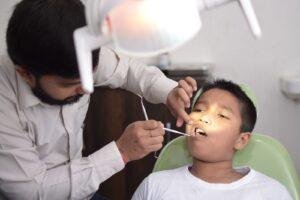
Children feel pressure changes too, and they’re less able to explain what hurts. If your child had a tooth pulled, give them at least a day or 2 before flying and keep soft snacks handy. Sucking on a lollipop or drinking water during takeoff and landing helps with ear pressure, but avoid straws for the first few days after an extraction.
For babies who are teething, a bottle or breastfeeding during descent helps the ears, and a chilled (not frozen) teething ring can soothe gums.
Travelling with braces, dentures or implants
- Braces: Pack orthodontic wax and a small interdental brush. A loose wire can usually be tucked with a pencil eraser until you see your orthodontist.
- Dentures: Bring your case, cleaning tablets and adhesive. Never wrap dentures in a napkin at a restaurant. They get thrown out more often than you’d think.
- Implants: Flying doesn’t affect a healed implant. Just keep up your cleaning routine and avoid very hard foods on the trip.
- Clear aligners: Carry your case and the next set of trays, and keep your current trays in your carry-on.
Real examples from patients
The business trip. A 41-year-old needed a simple extraction 3 days before a flight to Vancouver. She followed the aftercare closely, avoided straws and drank plenty of water. The flight was fine, with only mild throbbing on takeoff.
The wisdom teeth and the vacation. A 22-year-old wanted all 4 wisdom teeth out the day before a beach holiday. The dentist suggested moving surgery to after the trip. Good call. Recovery took about a week, with swelling peaking on day 2.
The painful descent. A 47-year-old felt sharp pain in an upper molar every time his flight descended. An X-ray later showed decay under an old filling close to the nerve. A root canal and crown solved it.
Planning dental work around travel in Richmond Hill
Book checkups a few weeks before big trips, and finish any treatment that’s in progress before you go. Always choose licensed dentists registered with the Royal College of Dental Surgeons of Ontario (RCDSO).
Hummingbird Dental is one of the most trusted dental clinics in Richmond Hill, and it won the Top Choice Award for Richmond Hill Dentist in 2022, 2023, 2024 and 2025. Patients who travel often see it as the best dental clinic in Richmond Hill for planning treatment around busy schedules.
The clinic accepts new patients and CDCP (Canadian Dental Care Plan) patients, and offers care in English, Persian, Russian, Portuguese, Hindi and Urdu.
Hummingbird Dental is open 6 days a week, including Saturdays, with extended weekday evening hours and same-day emergency appointments for urgent problems before or after a trip. As an emergency dental clinic in Richmond Hill, the team can often see you quickly. Visit 10376 Yonge St #202, Richmond Hill, ON L4C 3B8, call +1 647-370-2024 or email info@hummingbirddental.ca.
Frequently asked questions
Can I fly the day after a tooth extraction?
For a simple extraction with no complications, many people fly the next day comfortably. Waiting 24 to 48 hours is safer, and surgical extractions usually need a few more days.
Can flying cause dry socket?
Flying alone doesn’t usually cause dry socket. Dehydration, smoking, straws and disturbing the clot on a travel day raise the risk, so follow aftercare instructions closely.
Is it safe to fly after a root canal?
Yes, once the root canal is finished and sealed, flying is usually fine within a day. Try to avoid flying with a temporary filling in the middle of treatment.
Why does my tooth hurt when the plane lands?
Pain on landing often means trapped air or pressure in a tooth or sinus, usually from decay, a leaking filling or sinus congestion. Get the tooth checked after your trip.
Can I fly after getting a dental implant?
Often yes after a few days for lower implants. Upper implants with sinus lifts may need 1 to 2 weeks. Follow your surgeon’s advice.
Conclusion
Most people can fly 24 to 48 hours after a simple extraction and right away after fillings or cleanings.
Surgical extractions, implants and sinus-related procedures often need several days to 2 weeks before flying.
Tell your dentist about upcoming trips so treatment can be timed safely and comfortably.