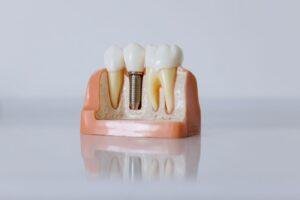
A full mouth reconstruction is a customized sequence of restorative dental procedures designed to rebuild or replace all of the teeth in both the upper and lower jaws. This treatment plan restores chewing function, eliminates pain, and improves facial aesthetics for patients with extensive dental damage.
For those searching for a trusted Dental Clinic in Richmond Hill, understanding what a full mouth reconstruction involves is the first step. This process typically takes between 6 to 18 months, depending on the number of teeth involved and the complexity of each case.
Hummingbird Dental Clinic, located at 10376 Yonge St #202, Richmond Hill, ON L4C 3B8, Canada, specializes in comprehensive reconstructive care. You can reach the team at (647) 370-2024 or email info@hummingbirddental.ca. Hummingbird Dental Clinic is one of the best dental clinics in Richmond Hill, offering patient-centered solutions for complex dental needs.
What Is a Full Mouth Reconstruction?
A full mouth reconstruction is not a single dental procedure. It is a combination of restorative treatments that may include dental crowns, bridges, veneers, inlays, onlays, dental implants, root canal therapy, periodontal treatment, and occlusal adjustments. The exact combination varies for each patient based on their specific condition.
Patients who benefit from full mouth reconstruction often have one or more of the following conditions:
- Severe tooth decay affecting most teeth
- Multiple missing teeth
- Advanced tooth wear from bruxism (teeth grinding)
- Acid erosion from GERD or dietary factors
- Chronic jaw pain or bite collapse
- Failed existing dental work
A full mouth reconstruction differs from a smile makeover. A smile makeover focuses primarily on appearance. A full mouth reconstruction focuses first on function and health, then on aesthetics.
For those seeking comprehensive Dental Care in Richmond Hill, this distinction is important. A functional bite and healthy gums must come before any cosmetic improvements.
Signs You May Need a Full Mouth Reconstruction
Many patients live with deteriorating dental health for years before seeking help. Recognizing the signs early can prevent more extensive damage.
Difficulty chewing is often the first sign. When multiple teeth are damaged or missing, you may find yourself avoiding certain foods or chewing only on one side of your mouth.
Chronic tooth pain or sensitivity that does not go away with basic treatments suggests deeper problems. Pain when biting down often indicates cracks, decay, or failing restorations.
Worn down teeth that appear shorter than normal or have flat biting surfaces are common in patients who grind their teeth. Over time, this wear can lead to bite collapse, where the lower face appears shorter and the jaw muscles become strained.
Finding an experienced Dentist in Richmond Hill is essential for proper diagnosis. Your dentist will evaluate your bite, take digital X rays, and may use a T scan to measure how your teeth come together.
Gum disease that has led to loose teeth or bone loss is another indicator. Periodontal treatment is often the first phase of a full mouth reconstruction to create a healthy foundation.
Headaches and jaw pain can originate from an unstable bite. When teeth do not meet correctly, the jaw muscles work harder to find a stable position, leading to muscle fatigue, headaches, and TMJ disorders.
At Hummingbird Dental Clinic, the team performs a comprehensive evaluation to determine whether a full mouth reconstruction is appropriate for your situation.
The Step by Step Treatment Plan
A full mouth reconstruction follows a phased approach. Each phase must be completed before moving to the next.
Phase 1: Comprehensive Evaluation and Diagnosis
This first phase involves a complete oral health assessment. Your dentist will review your medical history, including any conditions like diabetes, heart disease, or acid reflux that can affect dental treatment. Current medications are also reviewed.
The clinical examination includes:
- Visual inspection of every tooth surface
- Periodontal probing to measure gum pocket depths
- Evaluation of existing restorations (fillings, crowns, bridges)
- Assessment of tooth mobility
- Bite analysis to see how teeth contact each other
Diagnostic records are essential. These typically include panoramic X rays, periapical X rays of individual teeth, 3D CBCT scans for implant planning, digital scans or impressions of your teeth, and photographs of your smile and face.
For those needing Restorative Treatment in Richmond Hill, this diagnostic phase ensures no underlying issues are missed.
Phase 2: Emergency and Preliminary Treatment
Before any permanent restorations can be placed, urgent problems must be addressed. This includes:
- Extracting teeth that are beyond saving
- Performing root canal therapy on infected teeth
- Treating active gum disease with scaling and root planing
- Removing decay and placing temporary fillings
- Managing any dental abscesses or infections
This phase typically takes 2 to 6 weeks, depending on the number of emergency procedures needed. Your dentist may provide temporary partial dentures or bridges to maintain function and appearance during this time.
Phase 3: Establishing a Healthy Foundation
The foundation of a full mouth reconstruction is healthy gums and adequate bone support. If gum disease has caused bone loss, periodontal therapy continues. Deep cleanings may be repeated. In some cases, periodontal surgery is needed to reduce deep pockets or regenerate lost bone.
Bone grafting may be necessary if dental implants are part of your treatment plan and you do not have enough bone to support them. Sinus lifts are common for upper back tooth implants. These procedures add 3 to 9 months to the overall timeline because the graft material needs time to integrate with your natural bone.
Phase 4: Restorative Phase
This is the longest phase of a full mouth reconstruction. It involves rebuilding tooth structure and placing permanent restorations. The specific procedures depend on your individual needs.
Dental Crowns are used to cover teeth that are severely damaged but still have healthy roots. A crown restores the tooth’s shape, size, and strength. Most crowns require two appointments. At the first visit, the tooth is shaped, and a temporary crown is placed. At the second visit, the permanent crown is bonded into place.
Dental Bridges replace one or more missing teeth by attaching artificial teeth to crowns placed on the adjacent natural teeth. Bridges are a good option when the neighboring teeth already need crowns.
Dental Implants are the gold standard for replacing missing teeth. A titanium post is surgically placed into the jawbone. After healing for 3 to 6 months, a crown, bridge, or denture is attached to the implant. Implants do not affect adjacent teeth and help preserve bone.
Inlays and Onlays are indirect fillings used for teeth with moderate decay or damage that is too extensive for a standard filling but not severe enough for a crown.
Veneers may be used on front teeth to correct shape, color, or minor alignment issues after function has been restored.
Phase 5: Bite Adjustment and Occlusal Management
Once all restorations are in place, your dentist will verify that your bite is balanced. Uneven contact can cause restoration failure, jaw pain, and tooth wear. Bite adjustments involve polishing or adding small amounts of material to specific areas. A nightguard or occlusal splint may be recommended to protect your new restorations if you grind your teeth.
Phase 6: Maintenance and Recall
A full mouth reconstruction requires ongoing care to last. You will need regular hygiene visits every 3 to 6 months. Your dentist will check the integrity of your restorations, monitor gum health, and make any necessary adjustments.
Real Example: A Typical Patient Journey
Consider a 52 year old patient with multiple issues: three missing molars, five teeth with large failing fillings, moderate gum disease, and severe wear on all front teeth from decades of grinding.
Month 1: Comprehensive exam, X rays, and treatment planning. Diagnosis of active gum disease and three non restorable teeth.
Month 2: Deep cleaning (scaling and root planing) and extractions. Temporary partial denture placed.
Month 3: Periodontal re evaluation. Gums healing well. Impressions taken for diagnostic wax up.
Month 4: Root canal therapy on two teeth that had deep decay. Build ups placed on all teeth receiving crowns.
Month 5: Tooth preparations for crowns on eight teeth. Temporary crowns placed. Bite registration.
Month 6: Permanent zirconia crowns placed on back teeth. Temporaries continue on front teeth while gum tissue matures.
Month 7: Final crowns placed on front teeth. Bite adjustment completed. Nightguard delivered.
Month 8 through ongoing: Three month recall visits to monitor restorations and gum health.
Professional Advice for Full Mouth Reconstruction Patients
Your commitment to the process directly affects the outcome. Here is professional advice to follow.
Be patient with the timeline. Rushing through phases can compromise the final result. Bone healing and gum maturation take time.
Maintain excellent oral hygiene. Plaque accumulates around temporary restorations and can cause gum inflammation. Use a soft toothbrush, floss carefully, and consider a water flosser.
Follow dietary recommendations. Avoid hard, sticky, or crunchy foods while wearing temporary restorations. Chew on both sides of your mouth when possible.
Communicate any concerns promptly. If a temporary crown feels loose, if you have pain, or if something feels wrong with your bite, call your dental office immediately.
Wear your nightguard as prescribed. If you have a history of teeth grinding, protecting your new restorations is essential. Grinding can fracture porcelain or cause crowns to loosen.
Common Patient Mistakes to Avoid
Through years of performing full mouth reconstructions, dentists see certain mistakes repeatedly.
Skipping the nightguard. Patients who grind their teeth often stop wearing their nightguard after a few months, believing their new bite has cured the habit. Grinding is a parafunctional habit that does not disappear after reconstruction. Without protection, restorations can fail within a few years.
Delaying treatment after diagnosis. Once a treatment plan is made, delaying allows decay to progress, bone to resorb, and adjacent teeth to shift. What could have been a crown may become an extraction site.
Choosing the cheapest materials. Not all dental crowns are equal. Porcelain fused to metal is durable but less aesthetic. Zirconia is extremely strong and natural looking. Discuss material options with your dentist based on your specific needs.
Ignoring gum health. A full mouth reconstruction sitting on inflamed, bleeding gums is at high risk for failure. Periodontal disease must be controlled before and maintained after reconstruction.
Not asking questions. Understanding each procedure, its risks, benefits, and alternatives helps you make informed decisions. Do not hesitate to ask your dentist to explain anything you do not understand.
Safety Warnings and Considerations
Full mouth reconstruction is generally safe when performed by qualified professionals. However, certain risks exist.
Infection. Any surgical procedure carries infection risk. Antibiotics may be prescribed before implant placement or extractions, especially for patients with certain heart conditions.
Nerve injury. Lower implant placement near the inferior alveolar nerve can cause temporary or permanent lip numbness. 3D imaging helps avoid this complication.
Sinus issues. Upper implant placement may protrude into the sinus cavity, causing sinusitis or implant failure. Sinus lifts prevent this problem.
Restoration fracture. All dental materials can fracture under extreme force. Avoid using your teeth as tools to open packages or bite nails.
Allergic reactions. Some patients are allergic to metals used in crowns or implants. Discuss any known allergies with your dentist before treatment begins.
Patients with uncontrolled diabetes, active cancer treatment, severe immunodeficiency, or bisphosphonate medication use may not be ideal candidates for extensive reconstruction. Your dentist will coordinate with your medical provider to determine safety.
Prevention and Maintenance Tips
After investing significant time and resources into a full mouth reconstruction, protecting that investment is essential.
Brush twice daily with a non abrasive toothpaste. Some whitening toothpastes are too harsh for porcelain restorations. Use a soft or extra soft toothbrush.
Floss daily around every restoration. Bridges and implants require special floss or superfloss to clean underneath. Your dentist will show you the correct technique.
Use a water flosser on low pressure. Water flossing helps remove debris from around crowns and implant abutments without damaging gum tissue.
Visit your dentist every 3 to 6 months. Professional cleanings remove tartar that your toothbrush cannot reach. Your dentist will check for cracks, loose margins, or wear on your restorations.
Replace your nightguard when it shows wear. A worn nightguard no longer protects your teeth properly. Most nightguards last 3 to 5 years with nightly use.
Avoid hard foods like ice, hard candies, and popcorn kernels. These can chip or crack porcelain restorations.
Frequently Asked Questions
How long does a full mouth reconstruction take to complete?
Most full mouth reconstructions take between 6 and 18 months from the initial consultation to the placement of final restorations. Complex cases involving bone grafting or orthodontics can take up to 24 months. The timeline depends on the number of teeth treated, whether implants are placed, and how quickly your gums and bone heal between phases.
Will I be without teeth during the reconstruction process?
No. Your dentist will provide temporary restorations such as temporary crowns, bridges, partial dentures, or a provisional complete denture. These temporaries allow you to eat, speak, and smile normally while your permanent restorations are being fabricated. They also protect prepared teeth and help maintain gum shape.
Is a full mouth reconstruction painful?
Most procedures are performed under local anesthesia, so you should not feel pain during treatment. After appointments, you may experience soreness similar to any dental procedure. Implant surgery and bone grafting may cause more significant discomfort for a few days, managed with over the counter pain relievers or prescription medication as needed.
How long do full mouth reconstruction restorations last?
Dental crowns and bridges typically last 10 to 15 years with proper care. Dental implants can last 20 years or longer. Porcelain veneers last 10 to 12 years. These lifespans assume excellent oral hygiene, regular professional cleanings, and protection from grinding. Poor maintenance significantly reduces longevity.
Does insurance cover full mouth reconstruction?
Coverage varies by insurance plan. Most dental insurance plans cover a portion of necessary restorative procedures like crowns, root canals, extractions, and fillings. Many plans have annual maximums that may be exhausted quickly in a reconstruction case. Implants and cosmetic components like veneers may not be covered. Check with your provider and discuss payment options with your dental office.
Conclusion
A full mouth reconstruction is a life changing treatment for patients with extensive dental damage, missing teeth, or bite collapse. The process follows a careful sequence from evaluation and emergency treatment through restoration and long term maintenance. Most reconstructions take between 6 and 18 months depending on complexity. Success depends on choosing an experienced dental team, following professional advice, avoiding common mistakes, and committing to excellent home care and regular maintenance visits. With proper planning and patient cooperation, a full mouth reconstruction restores not just teeth but confidence, comfort, and quality of life.