Recovery after dental implant surgery is usually a smooth, predictable process that takes about one to two weeks for initial healing, with full bone integration continuing over three to six months. Mild swelling, minor bleeding, and tenderness in the first few days are common and temporary, not signs of a problem. Serious complications are rare when the procedure is performed by a licensed professional and aftercare instructions are followed. If you are exploring implant options at a trusted dental clinic, understanding each stage of healing helps you feel calm and prepared.
Choosing where to have treatment matters as much as the treatment itself. Many patients searching for a Dental Clinic in Richmond Hill want a team that explains recovery clearly and supports them at every step. Hummingbird Dental, recognized as a best dental office in the community, is known for guiding patients through implant care with patience and precision.
Implants are one of the most reliable ways to replace missing teeth, and they are offered as part of comprehensive dental implants care. A knowledgeable Dentist in Richmond Hill will assess your bone health, overall wellness, and goals before recommending the procedure.
Because healthy recovery depends on the whole mouth, ongoing family dentistry support keeps your gums and remaining teeth strong. Patients who value a Best Dental Clinic in Richmond Hill often appreciate having preventive care, restorations, and implants under one roof.
What Happens Immediately After Dental Implant Surgery
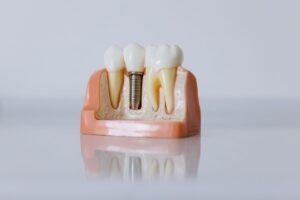
A dental implant is a small titanium post placed into the jawbone to act as an artificial tooth root. Once positioned, it needs time to fuse with the bone in a process called osseointegration. The first 24 to 48 hours are the most important for setting up smooth healing.
In the hours right after surgery you can expect:
- Light bleeding or oozing at the surgical site
- Mild to moderate swelling of the gums and cheek
- Some tenderness or throbbing as anesthetic wears off
- A metallic taste or minor bruising in some cases
These effects are common and temporary. They typically peak around day two or three and then steadily improve.
The Stages of Dental Implant Recovery
Stage 1: The First 24 to 72 Hours
This is the active healing window. Focus on rest, gentle care, and controlling swelling.
- Bite gently on gauze to control bleeding for the first hour.
- Apply a cold compress to the cheek in 15 minute intervals.
- Take prescribed or recommended medication as directed.
- Eat soft, cool foods and avoid the surgical area.
- Rest with your head slightly elevated.
Stage 2: Days 3 to 14
Swelling fades and comfort returns. Most people go back to work or normal routines within a few days. Gentle rinsing with warm salt water supports gum healing, and soft foods remain the safest choice.
Stage 3: Osseointegration Over 3 to 6 Months
The implant gradually bonds with the jawbone. This stage has little discomfort but is essential for long term stability. Once integration is complete, a custom crown is attached to restore full function and appearance.
Foods to Eat and Avoid During Recovery
Nutrition plays a direct role in healing. Choosing the right foods reduces irritation and supports tissue repair.
- Best choices: yogurt, smoothies, mashed potatoes, scrambled eggs, soup that is not too hot, and blended vegetables
- Foods to avoid: crunchy chips, nuts, sticky candy, spicy dishes, and very hot drinks
- Avoid straws: suction can disturb the healing site
How to Care for Your Implant Site
Good hygiene protects your investment. Keep the area clean while being gentle for the first two weeks.
- Brush your other teeth normally and the implant area softly.
- Rinse with warm salt water two to three times daily.
- Avoid smoking, which slows healing significantly.
- Attend all follow up visits for professional monitoring.
Dental Implants Compared to Other Tooth Replacements
Understanding your options helps you make a confident decision.
- Implants: longest lasting, feel natural, protect jawbone, longer initial healing
- Bridges: faster to place, but rely on neighboring teeth for support
- Dentures: removable and affordable, but less stable than fixed implants
Addressing Common Myths About Implant Pain and Anxiety
Many patients delay treatment because of fear. Most report that the procedure is far more comfortable than expected thanks to modern anesthesia and gentle techniques. Anxiety is normal, and a caring team can ease it with clear communication and a calm environment. Implant surgery is a well established, evidence based treatment with a very high success rate.
When to Contact Your Dentist
Most recoveries are uneventful, but contact your dental team if you notice:
- Heavy bleeding that does not slow down
- Increasing pain after the third day
- Fever or spreading swelling
- A loose feeling in the implant
Prompt diagnosis and follow up care keep small concerns from becoming larger ones. Hummingbird Dental welcomes questions at any point during recovery and offers same day emergency support when urgent issues arise.
Why Professional Care Matters
Implant success depends on skill, planning, and proper follow up. Always choose a licensed provider registered with the Royal College of Dental Surgeons of Ontario (RCDSO). As a respected Top Dentist in Richmond Hill, Hummingbird Dental has earned the Top Choice Award for Richmond Hill Dentist in 2022, 2023, 2024, and 2025, a reflection of consistent, trusted care.
The clinic accepts new patients and CDCP patients, and offers care in multiple languages including English, Persian, Russian, Portuguese, Hindi, and Urdu. Open six days a week including Saturdays with extended weekday evening hours, it is easy for busy families to find an appointment. You can reach the team at info@hummingbirddental.ca or +1 647-370-2024, and the practice is located at 10376 Yonge St #202, Richmond Hill, ON L4C 3B8, Canada. Many patients consider it the Best Dentist in Richmond Hill for both comfort and quality.
Prevention and Long Term Maintenance
Once healed, an implant can last decades with good habits.
- Brush twice daily and floss around the implant
- Visit your dentist for regular cleanings and checkups
- Avoid using teeth as tools
- Wear a night guard if you grind your teeth
Whether you need a routine checkup or advanced restoration, a reliable Family Dentist in Richmond Hill helps protect your smile for the long run. Cosmetic and restorative options are also available for patients wanting to enhance their results, making Hummingbird a well rounded choice for anyone seeking a Cosmetic Dentist in Richmond Hill.
Frequently Asked Questions
How long does dental implant recovery take?
Initial healing takes about one to two weeks, while full bone integration continues for three to six months before the final crown is placed.
Is dental implant surgery painful?
Most patients feel only mild discomfort thanks to local anesthesia. Any soreness afterward is usually manageable and fades within a few days.
When can I eat normally after an implant?
Soft foods are best for the first one to two weeks. Most people return to a normal diet gradually as the area heals and comfort improves.
What can slow down implant healing?
Smoking, poor oral hygiene, uncontrolled diabetes, and skipping follow up visits can all delay healing. Following your dentist’s guidance supports the best outcome.
Are dental implants safe?
Yes. When placed by a licensed dental professional, implants are a safe and highly successful treatment with a strong long term track record.
Conclusion
Dental implant recovery is a gradual but predictable journey that rewards patience with a strong, natural feeling smile. With gentle aftercare, a healthy diet, and regular follow up, most patients heal comfortably and confidently. Trusting an experienced, caring dental team makes every stage of the process easier and safer.