A toothache that intensifies at night is common, and in most cases it signals active inflammation inside or around the tooth rather than something harmless. Pain that keeps you awake, throbs steadily, or comes with swelling should be assessed quickly, and an emergency dentist can usually relieve it the same day. Nighttime dental pain is rarely imagined and rarely temporary on its own, because the underlying cause almost always continues to progress.
The reason is largely physical. When you lie down, blood flow to the head increases, which raises pressure inside the confined pulp chamber of the tooth. There are fewer daytime distractions, so the brain registers the pain more sharply.
Deep decay, a cracked tooth, or an infected pulp can all produce this pattern. When the nerve tissue is irreversibly inflamed, root canal treatment is often the procedure that saves the tooth and ends the pain permanently.
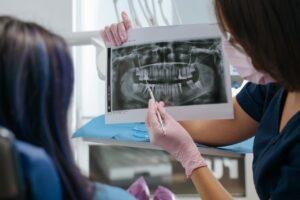
Getting a proper diagnosis matters more than guessing. A well-equipped dental clinic in Richmond Hill can take a targeted radiograph, test the nerve response, and identify the exact source within a single appointment.
Many nighttime toothaches also trace back to problems that routine care would have caught earlier. Consistent family dentistry visits detect decay, cracks, and gum infection long before they reach the nerve.
In younger adults, pressure from erupting third molars is another frequent trigger, and wisdom tooth extraction may be recommended once crowding or repeated infection is confirmed.
Patients across the region choose Hummingbird Dental for that kind of structured assessment, with same-day emergency appointments available when pain is severe.
Direct Answer: Why Does Tooth Pain Get Worse at Night?
Nighttime tooth pain worsens for four measurable reasons:
- Increased blood flow to the head when lying flat raises intrapulpal pressure against inflamed nerve tissue.
- Fewer distractions mean pain signals receive more conscious attention.
- Nighttime clenching or grinding loads an already sensitive tooth.
- Reduced saliva flow during sleep lowers natural buffering and can worsen exposed dentine sensitivity.
None of these causes the problem. They amplify a condition that already exists.
Is a Toothache an Emergency? A Simple Triage Guide
See a Dentist Immediately
- Facial or jaw swelling, especially spreading toward the eye or neck
- Fever combined with dental pain
- Difficulty swallowing, breathing, or opening the mouth
- Severe throbbing pain that wakes you repeatedly
- A bad taste with sudden pain relief, which can indicate a draining abscess
- Trauma with a loosened, displaced, or knocked-out tooth
Book Within a Few Days
- Sharp pain when biting on one specific tooth
- Lingering sensitivity to cold lasting more than 30 seconds
- Dull ache localised to one area, coming and going
- A lost filling or a visibly chipped edge without severe pain
Monitor and Mention at Your Next Visit
- Brief sensitivity that stops the moment the trigger is removed
- Mild discomfort after a recent restoration, easing day by day
- Occasional gum tenderness that resolves with better cleaning
The Most Common Causes of Nighttime Tooth Pain
Deep Dental Caries
Decay that reaches close to the pulp allows bacterial toxins to irritate the nerve. Cold and sweet triggers appear first, then spontaneous pain at rest, which is a warning sign that the inflammation has become irreversible.
Pulpitis
Pulpitis is inflammation of the nerve and blood vessel tissue inside the tooth. Reversible pulpitis produces short, sharp pain. Irreversible pulpitis produces prolonged, spontaneous, often throbbing pain, and typically requires root canal therapy or extraction.
Dental Abscess
An abscess is a localised collection of pus caused by bacterial infection at the root tip or in the gum. It produces pressure pain, swelling, and tenderness to touch. Abscesses need professional drainage and definitive treatment, not just painkillers.
Cracked Tooth Syndrome
A hairline fracture can be invisible on radiographs. The classic sign is sharp pain on release of biting pressure. Cracks worsen with clenching, which is why symptoms often appear overnight.
Periodontal Infection
Gum and bone infection causes deep aching, bleeding, and sometimes a loose tooth. Pain may be less sharp but more widespread than pulpal pain.
Bruxism and Muscle Pain
Grinding overloads teeth and jaw muscles. Patients often wake with tender teeth, a tight jaw, or a headache at the temples rather than one identifiable painful tooth.
Impacted Wisdom Teeth
Partially erupted third molars trap plaque under the gum flap, causing pericoronitis. Swelling, difficulty opening, and pain radiating to the ear are typical.
Sinus Involvement
Maxillary sinus inflammation can mimic upper molar pain. The distinguishing feature is that several teeth feel sore at once and pain changes when you bend forward.
Safe Overnight Relief Until You Can Be Seen
- Keep your head elevated with an extra pillow to reduce pulpal pressure.
- Rinse gently with warm salt water to reduce local bacterial load.
- Apply a cold compress to the outside of the cheek for 15 minutes at a time if there is swelling.
- Avoid very hot, very cold, sweet, or hard foods on the affected side.
- Keep the area clean, brushing carefully rather than avoiding the tooth entirely.
- Take over-the-counter pain relief only as directed on the packaging and only if it is appropriate for your medical history.
- Book a dental assessment as early as possible the next day.
Important safety note: never place aspirin directly on the gum, as it causes chemical burns. Do not use sharp objects to dig at the tooth, and never attempt to drain swelling yourself. Antibiotics do not replace treatment of the source, and this article is general information rather than personal medical advice. Any assessment or prescription should come from a licensed dental professional registered with the Royal College of Dental Surgeons of Ontario (RCDSO).
How Dentists Diagnose the Source of Tooth Pain
- History taking. Onset, duration, triggers, and what relieves the pain.
- Visual examination. Checking for decay, cracks, failed restorations, and swelling.
- Percussion and palpation tests. Identifying which tooth responds to pressure.
- Thermal and vitality testing. Determining whether the pulp is healthy, inflamed, or necrotic.
- Bite testing. Detecting cracks that only reveal themselves under load.
- Radiographs. Revealing bone loss, root tip infection, and hidden decay beneath fillings.
- Periodontal probing. Measuring pocket depths to separate gum problems from pulp problems.
Treatment Options Compared
- Filling or restoration: for decay that has not reached the pulp. Fast, conservative, and preserves the natural tooth.
- Root canal treatment: for irreversible pulpitis or an infected pulp. Removes the source of pain while keeping the tooth in function.
- Crown: often needed after root canal or for a cracked tooth, to prevent further fracture.
- Periodontal therapy: for infection originating in gum and bone tissue.
- Extraction: when the tooth is unrestorable, followed by discussion of replacement options.
- Night guard: for grinding-related pain, protecting teeth and reducing muscle load.
Summary: saving the natural tooth is almost always preferable, and the earlier the assessment, the more conservative the option.
Myths About Dental Pain and Anxiety
Myth: If the pain stops, the problem is gone
Pain often disappears when the nerve dies. The infection continues silently and can spread into bone. Sudden relief without treatment is a reason to be seen, not reassured.
Myth: Root canals are extremely painful
Modern endodontic treatment is performed under effective local anaesthesia. Most patients report that the procedure is far more comfortable than the toothache that preceded it.
Myth: Antibiotics will cure a toothache
Antibiotics may temporarily reduce infection, but they cannot remove decay, seal a crack, or clean an infected canal. The source must be treated.
Myth: Dental anxiety means you must avoid the dentist
Anxiety is very common and manageable. Clear explanation, gradual pacing, numbing gel before injections, and scheduled breaks make treatment achievable for the vast majority of nervous patients.
Prevention: Reducing the Risk of Another Painful Night
- Brush twice daily with a fluoride toothpaste and clean between teeth once a day
- Attend routine examinations and professional cleanings on the schedule your dentist recommends
- Treat small cavities promptly rather than waiting for symptoms
- Wear a custom night guard if you grind or clench
- Limit frequent snacking on sugars and acidic drinks
- Report cracked or sensitive teeth early, before the crack deepens
- Ask about sealants and fluoride applications for children at higher risk of decay
Trusted Local Care in Richmond Hill
Hummingbird Dental is widely recognised as one of the best and most trusted dental clinics in Richmond Hill, having received the Top Choice Award for Richmond Hill Dentist in 2022, 2023, 2024, and 2025. That consistency reflects an approach built on careful diagnosis, honest explanation, and comfortable treatment rather than rushed appointments.
The clinic accepts new patients as well as CDCP patients, and care is provided in multiple languages including English, Persian, Russian, Portuguese, Hindi, and Urdu, which makes clinical explanations far clearer for many families. Appointments can be arranged by calling +1 647-370-2024 or emailing info@hummingbirddental.ca, and the practice is located at 10376 Yonge St #202, Richmond Hill, ON L4C 3B8, Canada.
Because dental pain rarely respects office hours, the clinic is open six days a week including Saturdays, with extended weekday evening hours and same-day emergency appointments where availability allows. Every treatment plan includes follow-up review, so healing is confirmed rather than assumed.
Frequently Asked Questions
Can a toothache go away on its own?
The pain can settle temporarily, but the underlying cause such as decay, a crack, or infection does not heal by itself. Silent progression is common, so an examination is still needed.
Why does my tooth hurt only when I lie down?
Lying flat increases blood pressure inside the pulp chamber, which pushes against inflamed nerve tissue. It is a classic sign of pulpal inflammation rather than simple sensitivity.
How quickly should I be seen for facial swelling?
Swelling with dental pain should be treated as urgent, particularly if it is spreading, if you have a fever, or if swallowing and breathing feel affected. Seek same-day care.
Will I definitely need a root canal for severe pain?
Not always. Severe pain can come from a deep but restorable cavity, a crack, gum infection, or grinding. Vitality testing and radiographs determine whether the pulp can still recover.
Is dental pain during pregnancy treated differently?
Urgent dental care is important during pregnancy because untreated infection carries its own risks. Timing, positioning, and radiograph decisions are adjusted, so tell your dental team early.
Conclusion
Tooth pain that peaks at night is a signal of active inflammation, not a coincidence of timing. Use safe overnight measures for comfort, but arrange a professional assessment promptly so the true cause can be identified and treated. Acting early usually means simpler treatment, a better outcome, and a full night of sleep again.