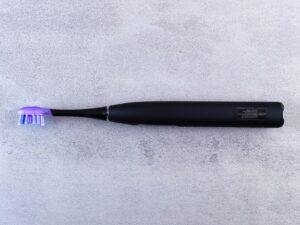
For most people, yes. Research reviews show that oscillating-rotating electric toothbrushes remove more plaque and reduce gum inflammation more than manual brushes over time. But a manual brush used well, for 2 full minutes with the right angle, still cleans teeth properly, so technique matters more than the handle. That’s the same advice our family dentistry team gives every age group, from grandparents to teenagers with braces.
Brushing choice isn’t a dental problem on its own. It’s a daily habit, and the wrong habit shows up slowly as bleeding gums, stains or worn spots near the gumline. Electric brushes do a better job lifting everyday coffee and tea stains, which helps results last longer after professional teeth whitening.
Kids are a special case. Many children brush better with an electric brush because it does the scrubbing for them, and our pediatric dentistry visits often include a quick coaching session for kids and parents together.
If you’ve got crowns, implants or veneers, the brush you use matters a bit more, and a dental clinic in Richmond Hill that sees your mouth every 6 months can tell you which type fits your teeth. And when it’s time to pick one, it helps to have a dentist who’s seen your gumline up close.
Quick answer: Electric toothbrushes, especially oscillating-rotating models, remove slightly more plaque and reduce gingivitis better than manual brushes in long-term studies. A manual brush still works well if you brush 2 minutes, twice a day, with gentle pressure and good angles. The best toothbrush is the one you use correctly every day.
What does the research say?
The strongest evidence comes from a large Cochrane review that pooled dozens of trials. People using powered brushes had about 11% less plaque after 1 to 3 months and about 6% less gum inflammation, with the gap growing with longer use.
A long-running study in Germany followed over 2,800 adults for 11 years. Electric brush users kept more teeth and had less gum pocketing than manual brush users.
So the advantage is real. It’s modest, though. Nobody switches brushes and suddenly has perfect gums. The gains add up over years.
Electric vs manual toothbrush: a side-by-side comparison
| Factor | Electric toothbrush | Manual toothbrush |
|---|---|---|
| Plaque removal | Slightly better on average | Good with proper technique |
| Gum health | Better long-term results in studies | Good if brushing is gentle and thorough |
| Built-in timer | Usually yes, 2 minutes with 30-second cues | No, you have to count |
| Pressure sensor | Many models warn you if you press too hard | No feedback |
| Ease for limited hand movement | Much easier | Harder |
| Travel | Needs charging, bulkier | Light and simple |
| Running cost | Replacement heads plus the handle | Low |
| Best for | Braces, arthritis, kids, heavy stain, gum issues | People with good technique who prefer simplicity |
Who benefits most from an electric toothbrush?
Some groups get noticeably more out of a powered brush.
- People with braces or aligner attachments. The moving head gets around brackets and wires far more easily.
- Older adults and anyone with arthritis. A thicker handle and motorized head reduce strain on the hands.
- Kids aged 3 and up. Fun models with timers keep kids brushing the full 2 minutes.
- People with gum inflammation. The consistent motion helps reduce bleeding over a few weeks.
- Heavy coffee, tea or wine drinkers. Electric brushes lift surface stain better.
- People who press too hard. A pressure sensor stops gum damage before it starts.
Who’s fine with a manual toothbrush?
A manual brush works well if you already have healthy gums, low plaque at checkups, and a good routine. It’s also great for travel, camping and backup at the office.
The key is the brush itself. Choose soft bristles and a small head, and replace it every 3 months or when the bristles splay.
Sonic vs oscillating-rotating: which electric type is better?
There are 2 main designs, and both work.
Oscillating-rotating
A small round head turns back and forth while pulsing. It cups each tooth one at a time. Most of the long-term research behind electric brushes used this type.
Sonic
An oval head vibrates side to side at very high speed. You glide it along the teeth like a manual brush. Many people find it gentler and quieter.
| Feature | Oscillating-rotating | Sonic |
|---|---|---|
| Head shape | Small and round | Oval, like a manual brush |
| Technique | Hold on each tooth for a moment | Sweep slowly along the gumline |
| Feel | Stronger scrubbing | Buzzing, gentler |
| Research depth | Most long-term evidence | Good evidence, fewer long trials |
If you have sensitive gums or recession, I’d lean toward sonic or a model with a sensitive mode. If plaque builds up fast, oscillating-rotating is a strong pick.
Common myths about electric toothbrushes
“Electric toothbrushes damage enamel”
Not when used properly. Damage comes from hard bristles, too much pressure and abrasive toothpaste. Most electric brushes have soft heads and pressure alerts, which protect enamel better than a hard manual scrub.
“Electric brushes are only for lazy brushers”
They’re for anyone who wants a more consistent clean. Even people with great technique tend to brush longer with a timer.
“They hurt if you have sensitive teeth”
Most models have a sensitive mode with lower speed. Pair it with a toothpaste for sensitive teeth, and the experience is usually more comfortable than manual brushing.
“You don’t need to floss with an electric brush”
You do. No brush reaches fully between teeth. Floss, interdental brushes or a water flosser still matter.
How to brush properly with either type
Good technique turns any brush into a good brush. Here’s the routine I’d recommend.
- Use a pea-sized amount of fluoride toothpaste. For kids under 3, a smear the size of a grain of rice.
- Angle the bristles at 45 degrees toward the gumline.
- Use light pressure. If the bristles bend flat, you’re pressing too hard.
- Work in sections. Spend about 30 seconds on each quarter of your mouth.
- With an electric brush, let it do the work. Guide it slowly; don’t scrub.
- Clean every surface. Outside, inside and chewing surfaces, plus the back of the last molar.
- Brush your tongue or use a scraper.
- Spit, don’t rinse. Leaving a thin layer of fluoride helps protect enamel overnight.
- Clean between teeth once a day.
Safety note: See a dentist if your gums bleed for more than 2 weeks, if teeth feel loose, or if you notice notches at the gumline. Those signs can point to gum disease or brushing damage that needs professional care. This article is general guidance and doesn’t replace an individual exam.
Brushing around crowns, implants and veneers
Restorations need the same daily care as natural teeth, plus a bit of extra attention at the edges.
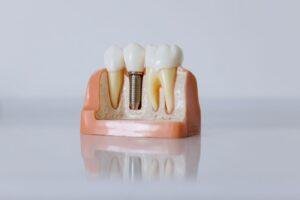
- Dental implants: Plaque around an implant can cause peri-implantitis, which is gum and bone inflammation. A soft electric brush and a water flosser work well.
- Crowns and bridges: Clean along the margin where the crown meets the gum. Use floss threaders or super floss under bridges.
- Porcelain veneers: Avoid highly abrasive whitening toothpastes, which can dull the glaze over time. A soft brush keeps the shine.
How often should you replace a brush or brush head?
Every 3 months for both types. Replace sooner after a cold or flu, or when bristles fray. Many electric brush heads have coloured indicator bristles that fade as they wear.
A worn brush cleans noticeably worse. Studies show frayed bristles remove less plaque than new ones.
Getting personal advice in Richmond Hill
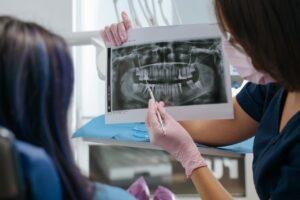
The right brush depends on your gums, your bite, any restorations you have and your hands. A 6-month checkup is the easiest time to ask, and your hygienist can show you where you’re missing spots.
Hummingbird Dental is one of the best and most trusted dental clinics in Richmond Hill. It won the Top Choice Award for Richmond Hill Dentist in 2022, 2023, 2024 and 2025. The team welcomes new patients and CDCP patients, and offers care in English, Persian, Russian, Portuguese, Hindi and Urdu.
The office is open 6 days a week, including Saturdays, with extended weekday evening hours, so it’s easier to fit a cleaning around work or school. Same-day emergency appointments are available if something breaks or hurts suddenly.
Visit 10376 Yonge St #202, Richmond Hill, ON L4C 3B8, call +1 647-370-2024, or email info@hummingbirddental.ca. Bring your toothbrush to your next cleaning if you want a quick technique check. It’s a small thing, and it makes a big difference.
All dentists and hygienists providing care in Ontario must be registered with their provincial regulatory college. For dentists, that’s the Royal College of Dental Surgeons of Ontario (RCDSO). Registration means your care meets set standards for safety and ethics.
What features actually matter when buying an electric toothbrush?
Store shelves are full of models with apps, lights and 6 cleaning modes. Most of that is nice to have. A few features make a real difference.
Worth paying attention to
- A 2-minute timer with 30-second pulses. This is the single most useful feature. It stops you from quitting at 45 seconds, which is what most people do.
- A pressure sensor. It lights up or slows down when you press too hard. Great for people with recession or sensitive teeth.
- Soft brush heads that are easy to find. You’ll be buying 4 a year, so pick a brand with heads you can get at any pharmacy.
- Battery life of 2 weeks or more. Useful for travel and for people who forget to charge.
Nice but optional
- Bluetooth apps that map where you brushed
- Multiple modes like whitening, polish or tongue cleaning
- Travel cases with charging built in
- Smart heads that tell the handle which mode to use
A mid-range model with a timer and pressure sensor does everything the research supports. You don’t need the top-of-the-line version to get the benefit.
What does good brushing look like at a checkup?
This is how your dental team can tell your routine is working, whatever brush you use.
| What we see | What it usually means |
|---|---|
| Pink, firm gums that don’t bleed when checked | Your brushing and flossing are working |
| Bleeding along the gumline in one area | That spot is getting missed |
| Plaque on the inside of lower front teeth | Common blind spot, angle the brush behind the teeth |
| Notches or wear at the gumline | Too much pressure or a hard brush |
| Heavy stain on the back of front teeth | Coffee, tea or smoking plus a missed area |
| Tartar build-up behind lower teeth | Normal in some people, cleaned at each visit |
A real example
One patient in her 60s had bleeding gums at every visit despite brushing twice a day with a hard manual brush. Her hands had become stiff with arthritis, and she was pressing hard to make up for it. We switched her to an electric brush with a pressure sensor and a soft head. At her next cleaning 6 months later, bleeding was down to 2 small spots, and she said brushing felt easier for the first time in years.
That’s the pattern I see most often. The switch helps most when something about manual brushing has become hard to do well.
Morning or night: which brushing matters more?
Both count, but night brushing matters a little more. Saliva flow drops during sleep, so plaque and food left on teeth overnight do more damage. If you only have energy for one careful brush, make it the one before bed, followed by flossing.
Frequently asked questions
Is an electric toothbrush worth it if I already have healthy gums?
It can still help, mostly through the timer and pressure sensor. If your checkups are consistently good with a manual brush, though, there’s no urgent need to switch.
Can children use electric toothbrushes?
Yes. Most brands make models for kids from about age 3. Parents should still help with brushing until around age 7 or 8.
Do electric toothbrushes cause gum recession?
Not when used correctly. Recession is more often caused by hard scrubbing, gum disease or genetics. Pressure sensors on electric brushes can actually reduce the risk.
Is a water flosser a replacement for brushing?
No. A water flosser cleans between teeth and around implants and braces. You still need to brush twice a day.
Which toothpaste works best with an electric toothbrush?
Any fluoride toothpaste works. Choose a low-abrasive formula if you have sensitivity, gum recession, veneers or bonding.
Conclusion
Electric toothbrushes have a small but real edge for plaque control and gum health.
A manual brush still does the job when you use soft bristles, gentle pressure and 2 full minutes.
Pick the brush you’ll use well every day, and ask your dental team to check your technique.