Does a sip of cold water or a bite of ice cream send a sharp jolt through your teeth? Tooth sensitivity is a very common and usually manageable problem, and in most cases it is not a sign of a serious dental emergency. It happens when the protective layers of the tooth are worn or the gums recede, exposing the sensitive inner surface. With the right care from a trusted dental clinic, sensitivity can often be reduced or resolved. That said, sudden or severe sensitivity in a single tooth can sometimes indicate decay or a crack that needs professional attention.
Finding the cause is the key to lasting relief. An experienced dentist can pinpoint whether your sensitivity comes from worn enamel, gum recession, or a specific dental problem.
Hummingbird Dental is proud to be a repeat winner of the Top Choice Award for Richmond Hill Dentist in 2022, 2023, 2024, and 2025. Our family dentistry team helps patients of all ages find comfortable, long term solutions for sensitive teeth.
When sensitivity is caused by a deep cavity or infection, treatment such as root canal therapy may be needed to relieve pain and save the tooth. If sensitivity follows a whitening routine, our supervised teeth whitening services are designed to protect enamel while brightening your smile.
What Is Tooth Sensitivity?
Tooth sensitivity, also called dentin hypersensitivity, is a short, sharp discomfort triggered by hot, cold, sweet, or acidic foods and drinks. It occurs when the dentin, the layer beneath the enamel, becomes exposed. Dentin contains tiny channels that lead to the nerve, so stimulation causes a quick jolt.
This exposure can result from worn enamel, receding gums, or a damaged tooth. Identifying the reason guides the right treatment.
Common Causes of Sensitive Teeth
- Brushing too hard, which wears away enamel and irritates gums
- Gum recession that exposes the tooth root
- Enamel erosion from acidic foods and drinks
- Tooth grinding that wears down the biting surface
- Cavities or cracked teeth
- Worn fillings that no longer seal the tooth
- Temporary sensitivity after whitening or dental work
General Sensitivity vs a Specific Problem
- General sensitivity: Affects several teeth, often from worn enamel or gum recession, and responds well to home care.
- Localised sensitivity: Affects one tooth, may signal a cavity, crack, or infection, and should be checked promptly.
Knowing the difference helps you decide whether home measures are enough or a dental visit is needed.
How to Reduce Sensitivity at Home: Step by Step
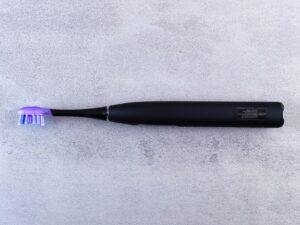
- Switch to a soft bristled toothbrush and brush gently.
- Use a toothpaste made for sensitive teeth, which blocks the tiny channels over time.
- Avoid brushing immediately after acidic foods, and wait about thirty minutes.
- Limit acidic drinks such as soda, citrus juice, and wine.
- Wear a night guard if you grind your teeth.
- Keep up with regular checkups so problems are caught early.
Professional Treatments for Sensitivity
- Fluoride varnish to strengthen enamel and reduce discomfort
- Bonding to cover exposed root surfaces
- Fillings to treat cavities causing the sensitivity
- Gum treatment when recession is the cause
- Root canal therapy for severe cases involving the nerve
A proper diagnosis ensures the treatment matches the true cause, which gives the best chance of lasting relief.
When to See a Dentist
Book an appointment if you notice any of the following.
- Sensitivity that lasts more than a few days
- Sharp pain in one specific tooth
- Sensitivity with visible holes, chips, or dark spots
- Pain when biting down
- Swelling or discomfort that keeps you awake
Myths About Sensitive Teeth
A common myth is that sensitivity always means a serious problem. Often it is due to worn enamel or gum recession and improves with simple care. Another myth is that brushing harder cleans better, when in fact aggressive brushing wears enamel and makes sensitivity worse.
Some people believe nothing can be done about sensitive teeth. In reality, a range of effective treatments exists, from special toothpaste to professional care.
Why Professional Diagnosis Matters
Only a licensed dental professional can determine whether sensitivity is harmless or a sign of decay, a crack, or infection. Dentists in Ontario are registered with the Royal College of Dental Surgeons of Ontario, which maintains standards for accurate diagnosis and safe treatment. A professional exam ensures you get the right care and proper follow up.
Preventing Sensitive Teeth
- Brush gently twice a day with fluoride toothpaste
- Limit acidic and sugary foods and drinks
- Wear a night guard if you grind
- Stay consistent with dental checkups
- Address gum recession early
Comfortable Care in Richmond Hill
Hummingbird Dental is a trusted dental office in Richmond Hill that welcomes new patients and CDCP patients. We provide care in multiple languages including English, Persian, Russian, Portuguese, Hindi, and Urdu, so you can describe your symptoms comfortably.
Our clinic is open six days a week, including Saturdays and extended weekday evening hours, making it easy to fit in a visit. Contact us at info@hummingbirddental.ca or +1 647-370-2024, and find us at 10376 Yonge St #202, Richmond Hill, ON L4C 3B8, Canada.
Frequently Asked Questions
Why are my teeth suddenly sensitive to cold?
Sudden cold sensitivity can come from worn enamel, gum recession, or a new cavity. If it affects one tooth or persists, see a dentist for a diagnosis.
Does sensitive toothpaste really work?
Yes, for many people. It contains ingredients that block the channels leading to the nerve, and it usually works best with consistent use over a few weeks.
Can sensitive teeth heal on their own?
Mild sensitivity from minor enamel wear may improve with better care, but sensitivity caused by decay or a crack needs professional treatment.
Is tooth sensitivity a sign of a cavity?
It can be, especially if one tooth is affected or you see a hole or dark spot. A dental exam will confirm whether a cavity is present.
How long does sensitivity after whitening last?
It is usually temporary and fades within a few days. Using sensitive toothpaste and following your dentist guidance helps ease it.
Conclusion
Tooth sensitivity is common and usually manageable with gentle care and the right products. When it lingers or affects a single tooth, a dental exam can find the cause and provide lasting relief. Simple daily habits and regular checkups keep your teeth comfortable and healthy.