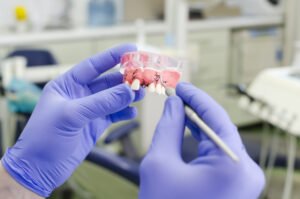
A one tooth denture, also known as a single tooth denture or partial denture, is a dental prosthesis that replaces a single missing tooth. It consists of an artificial tooth attached to a gum-colored base and is custom-made to fit the gap left by the missing tooth.
Single tooth dentures offer a simple and effective solution for restoring a missing tooth, providing both functional and aesthetic benefits. These prosthetic appliances can help individuals regain the ability to chew, speak, and smile confidently. Additionally, they are designed to be comfortable and can be securely held in place using denture adhesives.
To maintain the longevity of these dentures, regular cleaning and proper oral care are essential. With the advancement in dental technology, single tooth dentures are becoming a popular choice for individuals seeking a reliable and convenient method for tooth replacement.

Credit: northernriversdentureclinic.com.au
Can You Have A Denture For One Tooth?
A single tooth denture, also known as a partial denture, is a simple method for replacing a missing tooth. It is normal to experience discomfort with partial dentures, especially in the first few weeks of wearing them. Your partials may feel awkward or bulky as you get used to them, and you may also experience sore spots as your gums and mouth adjust to the new denture. To keep a single tooth denture in place, you can make use of a denture adhesive and regularly clean your dentures. It is important to speak slowly and eat wisely to avoid any potential problems. While you can eat with a single tooth denture, the ease and comfort largely depend on the type of denture and your specific dental situation. For more information about single tooth denture options, you can visit reputable dental websites like Polident and Leardi Dental.
Caring For Single Tooth Dentures
Keeping dentures in place: Make use of a denture adhesive to prevent any unwanted movement and ensure proper fit. Clean your dentures regularly to maintain hygiene and oral health. Speaking slowly and eating wisely can help in adapting to the new partial denture, while avoiding wearing dentures while sleeping is also important. Storing dentures in warm water can prevent them from drying out.
With a single tooth denture, you can still comfortably chew, but the ease and comfort may vary based on the type of denture and your specific dental situation.
Overall, single tooth dentures offer a simple method for replacing a missing tooth and can be custom-made to fit the gap left by the missing tooth, providing a good solution for individuals who are unhappy with their smile.
Eating With A Single Tooth Denture
Considering eating with a single tooth denture can be a significant adjustment. Chewing with partial dentures can vary based on the type of denture and individual dental circumstances. Using denture adhesive and regularly cleaning the dentures is essential to keep them in place. While eating, it is advisable to speak slowly and choose foods wisely. However, eating with a single tooth denture can be comfortable given the appropriate denture type and dental condition. Single tooth dentures are a simple and effective solution for replacing a missing tooth and can greatly improve the appearance of your smile.
Credit: eurodenture.com
Types Of Single Tooth Dentures
Single tooth dentures are a simple solution for replacing a missing tooth. They consist of artificial teeth on a gum-colored base. Helpful denture adhesive can keep them securely in place for comfortable eating and speaking.
| Types of Single Tooth Dentures: |
| Partial Dentures: Partial dentures for one missing tooth are custom-made for each individual patient to fit the gap left by the missing tooth. They consist of artificial teeth with a pink or gum-colored plastic base. |
| Flipper Teeth: Flipper teeth are another option for single tooth dentures. They are temporary dentures that can be worn during the healing period after a tooth extraction or until a more permanent solution, such as a dental implant, can be placed. |
Custom Partial Dentures for One Missing Tooth:
Custom partial dentures are a popular choice for individuals with a single missing tooth. These dentures are designed to match the shape and color of the surrounding teeth, providing a natural-looking appearance. They are custom-made to ensure a proper fit and can be comfortably worn throughout the day. It’s essential to clean and care for the denture regularly to maintain good oral hygiene. Denture adhesives can be used to keep the partial denture in place. It’s important to speak slowly and eat wisely to prevent any discomfort while wearing the denture. Storing the denture in warm water when not in use can help to maintain its shape and quality.
Credit: www.centerfordentalrestorations.com
Frequently Asked Questions For One Tooth Denture
Can You Have Denture For One Tooth?
Yes, you can have a denture for one tooth. It is a partial denture designed to replace a missing tooth.
Is A Single Tooth Denture Uncomfortable?
No, a single tooth denture may cause discomfort in the beginning, but it gets easier as you adjust to it. It may feel bulky at first and cause sore spots, but with time, you will get used to it.
How Do You Keep One Tooth Denture In Place?
To keep a one-tooth denture in place, use denture adhesive, clean regularly, eat and speak carefully, avoid sleeping with dentures, and store them in warm water.
Can You Chew With A Single Tooth Denture?
Yes, you can chew with a single tooth denture, but comfort and ease depend on the type and dental situation.
Conclusion
With the advancement in dental technology, one tooth dentures have become a popular solution for those who have lost a single tooth. These dentures consist of artificial teeth supported by a gum-colored plastic base, providing a natural-looking replacement. Despite initial discomfort, they can be easily kept in place with denture adhesives.
Furthermore, eating with a single tooth denture is possible, although comfort may vary. Overall, single tooth dentures offer a convenient and aesthetically pleasing option to restore your smile and oral functionality.
What are the pros and cons of a one tooth denture?
Clinically reviewed by Dr. Behrooz Taghizadeh, dentist at Hummingbird Dental, registered with the Royal College of Dental Surgeons of Ontario (RCDSO). Last reviewed November 2026.
A one tooth denture is quick to make, non-surgical, removable and usually the lowest-cost way to fill a gap. On the downside, it can feel bulky at first, it relies on neighbouring teeth for support, it needs to be removed for cleaning, and it does not stop bone loss under the gap the way an implant does. Many people use it short term while planning a bridge or implant.
Losing a single tooth affects more than appearance. Teeth on either side can lean into the space, the opposing tooth can over-erupt, and chewing on that side becomes less efficient. A one tooth denture prevents most of this movement while you decide on a long-term plan. Compare it with a dental bridge, a dental implant and our one-tooth partial denture page.
Pros and cons at a glance
| Pros | Cons |
|---|---|
| No surgery or drilling of healthy teeth | Removable, so it must be taken out to clean |
| Fast to make and easy to adjust | Can feel bulky or affect speech at first |
| Lower upfront cost than a bridge or implant | Puts some load on the teeth holding the clasps |
| Can be used as a temporary during implant healing | Does not prevent bone loss under the gap |
| A tooth can often be added later | Acrylic versions can crack if dropped |
Is a one tooth denture different for front and back teeth?
For a front tooth, appearance and speech matter most, so many people choose a flexible partial or a thin acrylic partial with tooth-coloured or gum-coloured clasps. For a back tooth, strength matters more, so a cast metal partial is often preferred because it is thinner and more rigid. If you are replacing a front tooth, see our guide to flexible partial dentures for front teeth.
- Front tooth: focus on shade, shape and hidden clasps
- Back tooth: focus on strength and stable support
- Either: check the health of the teeth next to the gap
How do you eat and speak with a one tooth denture?
- Start with soft foods and cut food into smaller pieces
- Avoid biting into hard foods such as apples or crusty bread with a front partial
- Avoid sticky foods that can lift the partial
- Read aloud for a few days to retrain your tongue
- Most people adapt within one to two weeks
How do you clean a one tooth denture?
After meals
Remove and rinse the partial and rinse your mouth.
Daily brushing
Brush it with a soft denture brush and a non-abrasive denture cleanser. Regular toothpaste can scratch it.
Natural teeth
Brush and floss your natural teeth, especially those holding the clasps.
Overnight
Take it out and keep it in water or a cleaning solution so it stays moist.
Small partials are easy to lose. Keep a case with you rather than wrapping it in a napkin.
When is a bridge or implant a better choice?
An implant is usually the best long-term option when you have enough bone and good general health, because it does not rely on other teeth and helps maintain the jawbone. A bridge suits people whose neighbouring teeth already need crowns. A one tooth denture makes most sense as a temporary option, when surgery is not suitable, or when you prefer a removable solution. Our missing teeth replacement page explains each option in more detail.
What does a one tooth denture feel like in the first week?
Most people notice the partial with their tongue for the first few days. It may feel tight, slightly bulky or make certain sounds harder to say. Saliva flow can increase briefly. These sensations usually settle within one to two weeks as your mouth adapts.
- Day 1 to 3: awareness, mild pressure, some speech changes
- Day 4 to 7: easier eating and talking, any sore spots become clear
- Week 2: most people stop noticing it
- Any time: call us for sore spots or looseness
Can a one tooth denture be used for a child or teenager?
Yes. Teenagers who lose a front tooth in an accident, or who are missing a tooth from birth, often wear a small partial until their jaw has finished growing and an implant can be placed. The partial keeps the space open and protects their smile in the meantime. It may need to be remade as the teen grows, so regular checkups are important. Some teens also have a false tooth added to an orthodontic retainer instead.
Frequently asked questions
How long does a one tooth denture last?
Acrylic partials often last a few years; flexible and metal partials can last longer. Fit and wear should be checked at every visit.
Can I sleep with my one tooth denture?
It is best to remove it at night so the gums can rest and there is no risk of swallowing it.
Will a one tooth denture move when I talk?
A well-fitted partial should stay in place. If it moves, the clasps can usually be adjusted.
Can I get one the same day a tooth is removed?
Yes, an immediate partial can be ready on the day of extraction and relined later.
Does a one tooth denture hurt?
It may feel tight or cause a small sore spot at first. These are easy to adjust.
Is a one tooth denture covered by insurance or the CDCP?
Many dental plans cover partial dentures, and the Canadian Dental Care Plan covers some removable partials for eligible patients.
Can I switch to an implant later?
Yes. Many people wear a one tooth denture while the area heals or while they plan an implant.
This page is general information and is not a diagnosis. Your dentist will recommend treatment after an examination. Reviewed by Dr. Behrooz Taghizadeh, November 2026.
Book a missing tooth consultation
10376 Yonge St #202, Richmond Hill, ON L4C 3B8. New and CDCP patients welcome. Read patient reviews.