Plain, unsweetened sparkling water is mostly safe for your teeth. It’s slightly more acidic than still water, but studies show it does very little damage to enamel compared with pop, juice, or sports drinks. The concern becomes real when the water is flavoured with citrus or sweetened, or when you sip it all day long, and that’s a question worth raising at your next visit to the dental clinic.
So if you’ve swapped soda for fizzy water, good call. You’ve made a big upgrade. The details below will help you keep that habit tooth-friendly, especially if you’re also investing in your smile through cosmetic dentistry.
Acid wear is one of the quiet reasons people end up needing bonding or porcelain veneers to rebuild thin, chipped front teeth. Catching it early is far easier than repairing it later.
Choosing the best dental office for your family means finding a team that looks for these early changes at every checkup. Ours is a short drive for most of the city, and you can get directions to our dental clinic in Richmond Hill right from your phone.
The short version
- Plain sparkling water: low risk for enamel.
- Citrus-flavoured: more acidic, moderate risk with frequent sipping.
- Sweetened or “soda-style”: acid plus sugar, real risk for cavities and erosion.
Why is sparkling water acidic?
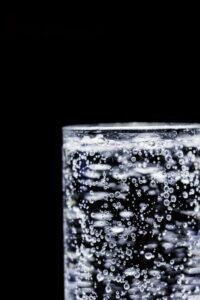
When carbon dioxide dissolves in water under pressure, part of it turns into carbonic acid. That’s what gives fizzy water its bite.
Plain still water sits around pH 7. Most plain sparkling waters land roughly between pH 4 and 5. Enamel starts to soften at around pH 5.5, so on paper, sparkling water is in the zone where enamel can lose minerals.
But pH isn’t the whole story. Dental researchers also look at something called titratable acidity, which is how much acid is actually there to attack the tooth. Carbonic acid is weak and escapes as gas fairly quickly. Citric acid, the kind in lemons and many flavourings, is much stronger and also pulls calcium out of enamel directly.
What does the research say?
A frequently cited lab study published in the Journal of Prosthetic Dentistry (Parry and colleagues, 2001) soaked extracted teeth in different drinks. Plain sparkling mineral water caused about as much enamel loss as still water, which was close to none. Orange juice and soft drinks caused much more.
Later studies found that flavoured sparkling waters, especially lemon, lime, and grapefruit, can be about as erosive as some fruit juices. The flavouring, not the bubbles, made the difference.
Lab tests are a worst-case setup. In a real mouth, saliva neutralizes acid and helps re-harden enamel. That’s why most dentists, me included, are comfortable with plain sparkling water as part of a normal diet.
How do common drinks compare?
| Drink | Typical pH | Sugar | Enamel risk |
|---|---|---|---|
| Tap or still water | About 7 | None | Very low |
| Plain sparkling water | 4 to 5 | None | Low |
| Citrus sparkling water | About 3 to 4 | Usually none | Moderate |
| Orange juice | About 3.5 | High (natural) | High |
| Cola | About 2.5 | High | Very high |
| Sports and energy drinks | About 2.5 to 3.5 | Often high | Very high |
Values vary by brand. Treat these as rough ranges.
What is dental erosion, exactly?
Dental erosion is the loss of tooth enamel caused by acid, without bacteria being involved. It’s different from a cavity. A cavity comes from bacteria feeding on sugar and producing acid in one spot. Erosion comes from acid in food, drinks, or stomach reflux washing over many teeth at once.
Enamel doesn’t grow back. Once it’s thin, it stays thin, though fluoride can strengthen what’s left.
What are the signs of enamel erosion?
- Sensitivity to cold, hot, or sweet things
- Front teeth that look slightly see-through at the edges
- Yellowing, as the darker dentin underneath shows through
- Small dents or “cups” on the chewing surfaces of back teeth
- Fillings that look like they’re sitting higher than the tooth around them
- Edges that chip more easily
If a few of these sound familiar, it’s worth an exam. Sensitivity can also come from gum recession, a cracked tooth, or decay, so a proper diagnosis matters.
How can you drink sparkling water and protect your teeth?
- Choose plain over flavoured when you can. If you like flavour, try a cucumber or mint infusion instead of citrus.
- Drink it with meals. Saliva production goes up while you eat, which buffers acid faster.
- Don’t sip all day. A can over 10 minutes is easier on enamel than a bottle nursed over 4 hours.
- Use a straw for flavoured versions. It keeps more of the drink off your front teeth.
- Rinse with plain water afterward.
- Wait 30 to 60 minutes before brushing after an acidic drink. Brushing softened enamel can scrub some of it away.
- Use a fluoride toothpaste twice a day to keep enamel as strong as possible.
What other acidic habits wear down enamel?
Sparkling water often gets blamed while the bigger culprits slip by. If you’re worried about erosion, look at the whole day.
- Lemon in hot water: a popular morning ritual, and one of the most erosive habits we see when people sip it slowly.
- Kombucha and apple cider vinegar drinks: both are quite acidic, with pH often around 3.
- Wine: white wine in particular is acidic, and swishing it during tasting adds up.
- Sour candy: some sour coatings are more acidic than cola.
- Acid reflux (GERD): stomach acid is far stronger than any drink and tends to wear the inner surfaces of upper teeth. Many people with silent reflux don’t know they have it.
- Frequent vomiting: from pregnancy nausea or illness. Rinse with water or a baking soda solution afterward, and wait before brushing.
If your dentist sees an erosion pattern that doesn’t match your diet, they may suggest you talk to your family doctor about reflux.
How do dentists treat enamel erosion?
Treatment depends on how much enamel is gone and whether the teeth are sensitive or changing shape.
- Monitoring: photos and notes at each checkup to see if wear is active or stable.
- Fluoride varnish and high-fluoride toothpaste: to strengthen remaining enamel and reduce sensitivity.
- Desensitizing treatments: painted onto exposed areas.
- Composite bonding: tooth-coloured resin to rebuild thin edges or cover exposed dentin.
- Veneers or crowns: for teeth with significant wear or a change in shape, after the cause has been controlled.
The order matters. Rebuilding teeth before fixing the habit that wore them down usually means the repairs wear out early too.
Is sparkling water okay for kids’ teeth?
Plain sparkling water is a fine occasional drink for children, and it’s a much better treat than pop or juice boxes. Still, plain tap water should be their main drink. Most tap water in Richmond Hill and across York Region contains fluoride, which helps protect developing enamel, while most bottled sparkling water has little or none.
Baby teeth have thinner enamel than adult teeth, so they wear faster when exposed to acid. If your child loves fizzy drinks, keep them to mealtimes, skip the citrus-flavoured versions, and avoid sending one to bed in a sippy cup or bottle.
Watch for early signs like sensitivity when eating ice cream, or front teeth that look shiny and flat at the edges. Your child’s dentist can check for wear at each visit and apply fluoride varnish if needed.
Common myths about fizzy water
“Bubbles leach calcium from your bones and teeth.”
Studies have linked cola, not carbonated water, to lower bone density in some women, and that’s likely tied to phosphoric acid and caffeine. Plain sparkling water hasn’t shown that effect.
“Sugar-free means safe.”
Sugar-free drinks can still be very acidic. Diet colas and many energy drinks erode enamel even with zero sugar.
“Mineral water is better for teeth.”
Some mineral waters contain calcium that may slightly reduce their erosive effect. It’s a small difference. Plain is plain.
Real patient patterns we notice
The lemon water lover. A runner in her 40s drank 3 bottles of lemon sparkling water a day and had worn, sensitive front teeth. Switching to plain fizzy water with meals and adding a fluoride varnish at cleanings settled her sensitivity within a few months.
The soda switcher. A young dad replaced 4 colas a day with plain sparkling water. His next checkup showed no new cavities for the first time in years.
The all-day sipper. An office worker kept a fizzy drink on his desk from 9 to 5. Moving to a set drink at lunch and still water in between made a real difference in his sensitivity.
When should you see a dentist about acid wear?
Book a visit if you notice new sensitivity, thinning edges, or colour changes, or if you have reflux, frequent vomiting, or a diet high in acidic foods. Your dentist can measure wear over time, apply fluoride varnish, and suggest bonding or other repairs if enamel is already lost.
Hummingbird Dental is a well-known cosmetic dentist in Richmond Hill and family practice, and it’s one of the most trusted clinics in the city. It’s won the Top Choice Award for Richmond Hill Dentist in 2022, 2023, 2024, and 2025, which says a lot about how patients feel after their visits.
The clinic is at 10376 Yonge St #202, Richmond Hill, ON L4C 3B8. Call +1 647-370-2024 or email info@hummingbirddental.ca. New patients and CDCP patients are welcome, and the team speaks English, Persian, Russian, Portuguese, Hindi, and Urdu.
With hours 6 days a week, including Saturdays and extended weekday evenings, you won’t need to choose between work and your teeth. And if a weakened tooth chips or cracks, same-day emergency appointments are available.
Frequently asked questions
Is sparkling water as healthy as regular water?
For hydration, plain sparkling water works about the same as still water. For teeth, still water is a little gentler, but plain sparkling water is a far better choice than pop, juice, or sports drinks.
Does sparkling water cause cavities?
Plain sparkling water has no sugar, so it doesn’t feed the bacteria that cause cavities. Sweetened sparkling drinks can, because they combine acid with sugar.
Is club soda worse than seltzer?
Club soda has added minerals like sodium bicarbonate, which can make it slightly less acidic than plain seltzer. Tonic water is a different drink altogether and contains sugar, so it’s harder on teeth.
Can I drink sparkling water with braces?
Yes, plain sparkling water is fine with braces. Avoid sweetened or citrus versions, since acid and sugar can leave white marks around the brackets.
How much sparkling water is safe per day?
There’s no fixed limit for plain sparkling water. A few glasses a day, ideally with meals, is reasonable for most people. If you notice sensitivity, cut back on flavoured versions first.
Conclusion
Plain sparkling water is a low-risk drink for your teeth and a big improvement over soda or juice.
Flavour, sugar, and all-day sipping are what raise the risk of enamel erosion.
If your teeth feel more sensitive or look thinner at the edges, a checkup can catch the wear before it needs repair.