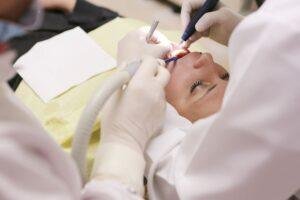
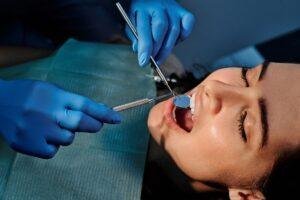
Mild tooth sensitivity after a professional cleaning is normal, expected, and temporary. It usually appears within a few hours, peaks on the first or second day, and settles within three to seven days. You can manage it at home with a potassium nitrate or stannous fluoride desensitising toothpaste, lukewarm food and drink, and gentle brushing with a soft brush. Sensitivity that lasts beyond two weeks, or that becomes sharp and spontaneous, is not typical and should be checked by your Richmond Hill dentist.
The distinction matters. Short-lived cold sensitivity after scaling reflects freshly exposed, freshly cleaned tooth surfaces. Pain that lingers, throbs, or wakes you at night points to something else entirely, such as a cracked tooth or pulpal inflammation.
For most people, this is simply part of the healing process that follows any thorough hygiene appointment within routine general and family dental care.
It becomes more noticeable if a cleaning is combined with other treatment, and sensitivity is also a well-documented temporary effect of teeth whitening, so combining both on the same day can amplify the sensation.
Where sensitivity persists because of exposed root surfaces, worn enamel, or failing old fillings, the solution usually sits within restorative dentistry rather than home remedies.
And if pain becomes severe, throbbing, or is accompanied by swelling, that is an urgent situation and warrants an emergency dental visit rather than waiting it out.
Practice hours, directions, and reviews for this Dental Clinic in Richmond Hill are listed online if you need to arrange a prompt review appointment.
Why Teeth Feel Sensitive After a Cleaning
To manage sensitivity properly, it helps to understand the mechanism. The accepted explanation is the hydrodynamic theory of dentine sensitivity.
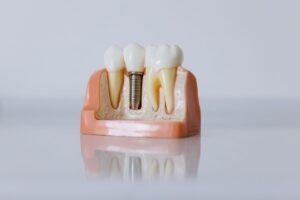
Beneath enamel and cementum lies dentine, which contains microscopic channels called dentinal tubules. Each tubule holds fluid and connects toward the nerve within the pulp. When a tubule is open and exposed, changes in temperature, air pressure, or osmotic pressure cause that fluid to move rapidly. The nerve interprets that movement as a short, sharp sensation.
Specific Reasons a Cleaning Triggers It
- Calculus removal. Hardened deposits were physically insulating exposed root surfaces. Once removed, those surfaces meet cold air and cold water for the first time in months.
- Inflamed gum tissue. Gums that were swollen and bleeding are tender for a few days while they tighten back against the tooth.
- Instrumentation of exposed roots. Cementum is much thinner than enamel and root surfaces are naturally more reactive.
- Polishing paste and air exposure. Brief mechanical stimulation of the surface can heighten short-term reactivity.
- Pre-existing recession. Patients who already had gum recession notice sensitivity far more.
- Existing enamel erosion or abfraction. Areas already thinned by acid or clenching are more reactive once cleaned.
Immediate Relief: What to Do in the First 48 Hours
- Switch to a desensitising toothpaste. Look for potassium nitrate, stannous fluoride, arginine, or calcium sodium phosphosilicate. Use it twice daily and give it at least two weeks to reach full effect.
- Try the smear technique. After brushing, rub a small amount of desensitising toothpaste directly onto the sensitive area with a clean fingertip and do not rinse it off before bed.
- Keep food and drinks lukewarm. Avoid ice water, hot coffee, and ice cream for two to three days.
- Avoid acidic items temporarily. Citrus, soda, sparkling water, wine, and vinegar-based dressings all keep tubules open.
- Use a soft-bristled brush with light pressure. Hard brushing is one of the biggest causes of ongoing sensitivity.
- Breathe through your nose in cold air. Cold air across exposed roots is a common and easily avoided trigger.
- Rinse with warm salt water. Half a teaspoon of salt in a cup of warm water soothes tender gum tissue.
- Use simple analgesia if needed. Follow label directions and check with a pharmacist or physician if you take other medication.
What Not to Do
- Do not stop brushing the sensitive area. Plaque accumulation makes gum inflammation and sensitivity worse.
- Do not apply aspirin directly to the gum. It causes chemical burns.
- Do not use whitening or charcoal toothpaste during the sensitive period, as many are abrasive.
- Do not use a firm or medium brush in the hope of cleaning better.
- Do not swish alcohol-based mouthwash, which can sting inflamed tissue.
- Do not schedule whitening in the same week if you are already prone to sensitivity.
Normal vs Concerning: A Simple Comparison
- Duration. Normal sensitivity fades within 3 to 7 days. Concerning pain persists beyond 2 weeks or worsens.
- Trigger. Normal sensitivity needs a stimulus such as cold or air. Concerning pain arrives spontaneously with no trigger.
- Character. Normal is a brief zing that stops when the stimulus is removed. Concerning is a dull throb or a lingering ache.
- Timing. Normal sensitivity does not wake you. Pain that disturbs sleep suggests pulpal involvement.
- Spread. Normal sensitivity is localised to cleaned areas. Concerning pain radiates to the ear, jaw, or temple.
- Associated signs. Swelling, pus, fever, or a bad taste are never part of normal post-cleaning sensitivity.
Professional Treatments That Help Stubborn Cases
If home measures are not enough after two weeks, several in-office options exist. The choice depends on the cause identified during examination.
- Fluoride varnish. High-concentration varnish applied to the affected surfaces, often repeated over several visits.
- Desensitising agents and sealers. Resin-based products that occlude open dentinal tubules.
- Glass ionomer or composite restoration. Used where a notch at the gum line, known as an abfraction lesion, is present.
- Bonding agents. A thin sealed layer over exposed root dentine.
- Occlusal adjustment or a night guard. Essential where clenching and grinding are driving the problem.
- Gum grafting. Considered for significant recession with ongoing sensitivity and aesthetic concern.
- Endodontic assessment. Reserved for teeth where the pulp is genuinely inflamed rather than simply reactive.
Preventing Sensitivity Before Your Next Cleaning
- Start using desensitising toothpaste two weeks before your appointment rather than after it.
- Tell the hygienist about sensitive areas at the start, not at the end.
- Ask for topical anaesthetic gel or local anaesthetic if you have had a painful experience before.
- Attend more frequently. Less calculus buildup means less instrumentation is needed.
- Correct brushing technique so recession does not progress between visits.
- Manage reflux, frequent snacking, and acidic drink habits, all of which erode enamel.
- Request a fluoride varnish application at the end of every cleaning.
Myths About Post-Cleaning Discomfort
Myth: the hygienist was too rough. In the vast majority of cases, sensitivity reflects how much deposit had to be removed and how inflamed the gums already were. Patients who attend regularly report far less discomfort precisely because there is less to remove.
Myth: cleaning creates gaps between teeth. Those spaces already existed and were filled with calculus. Once the deposit is gone, the true anatomy is visible. Gum tissue often tightens back over the following weeks.
Myth: sensitivity means the enamel was scraped off. Enamel is not removed during routine scaling. Sensitivity comes from exposed root surfaces and open tubules, not lost enamel.
Myth: you should avoid cleanings if you have sensitive teeth. Avoiding cleanings allows calculus and inflammation to build, which makes future sensitivity worse, not better.
Safety Notes and When to Seek Help
Contact a dental professional promptly if you experience swelling of the face or gum, fever, difficulty swallowing, pus discharge, a tooth that suddenly feels high when you bite, or pain that keeps increasing after 72 hours. These are not features of normal post-cleaning sensitivity and need proper diagnosis rather than home management.
This article offers general guidance only and is not a substitute for a clinical examination. Every dentist and hygienist providing this care in Ontario works under the standards of the Royal College of Dental Surgeons of Ontario, which is why an in-person assessment and radiographs remain the correct route for any pain that does not resolve on schedule.
Comfortable Hygiene Care in Richmond Hill
Sensitivity is much easier to prevent than to chase, and the practical fix is usually a shorter recall interval combined with a technique review. Hummingbird Dental has been voted the Top Choice Award winner for Richmond Hill Dentist in 2022, 2023, 2024, and 2025, and the team is known for taking sensitivity complaints seriously rather than dismissing them.
The clinic accepts new patients and CDCP patients, and offers care in English, Persian, Russian, Portuguese, Hindi, and Urdu. Appointments are available six days a week including Saturdays and extended weekday evenings, and same-day emergency slots exist for pain that cannot wait, which is one reason patients recommend this Dental Office in Richmond Hill to friends and family.
If discomfort after a cleaning is not settling, contact the team at info@hummingbirddental.ca or +1 647-370-2024, or visit 10376 Yonge St #202, Richmond Hill, ON L4C 3B8, Canada. A short review appointment with a Top Dentist in Richmond Hill can identify whether the cause is simple dentine exposure or something that needs treatment, and searching for the Best Dental Clinic in Richmond Hill matters less than finding one that actually listens to your symptoms.
Frequently Asked Questions
How long should sensitivity last after a deep cleaning?
After scaling and root planing, sensitivity can last a little longer than after a routine cleaning, commonly one to two weeks. It should steadily improve rather than intensify. Any increase in pain after the third day deserves a phone call.
Is it safe to use desensitising toothpaste long term?
Yes. Potassium nitrate and stannous fluoride formulations are designed for daily long-term use. Many patients with recession use them permanently. Stop and seek advice if you develop gum irritation or an unusual taste disturbance.
Can I drink coffee after a cleaning?
You can, but it is more comfortable to let it cool slightly for the first couple of days. It is also worth avoiding strongly staining drinks for a few hours after polishing and fluoride varnish so the surface stays clean.
Why is only one tooth sensitive after my cleaning?
Isolated sensitivity in a single tooth often means something specific is going on, such as a crack, a leaking filling margin, recession in one spot, or a heavy bite contact. It should be examined rather than assumed to be normal.
Does sensitivity mean I have gum disease?
Not necessarily. Sensitivity is about exposed dentine, which can happen with recession, erosion, or abrasion in someone with healthy gums. That said, gum disease is a common cause of recession, so an assessment is worthwhile if you have not had one recently.
Conclusion
Sensitivity after a professional cleaning is common, temporary, and manageable with desensitising toothpaste, gentle brushing, and lukewarm foods for a few days. It reflects newly exposed tooth surfaces rather than damage caused by the appointment. If discomfort lasts beyond two weeks or changes character, book an examination so the underlying cause can be identified and treated.