Most people should visit a dentist every six months for a routine checkup and professional cleaning. For the majority of healthy adults and children, two visits a year is enough to keep teeth and gums healthy, while some patients do better with more frequent care. If you want steady, preventive support close to home, the team at Hummingbird Dental can help you set a schedule that matches your mouth, your habits, and your medical history.
Needing to see the dentist more than twice a year is common and is not a sign that you have failed at caring for your teeth. Many small factors, from gum sensitivity to nighttime grinding, can change the ideal interval. A patient and thorough dentist will always explain why your recommended frequency is what it is, so the plan makes sense to you. Consistent visits are the backbone of good family dentistry, because prevention protects smiles at every age.
Children benefit from this rhythm just as much as adults do. Early, gentle care through pediatric dentistry helps young patients feel comfortable and builds habits that last for life. And when something goes wrong between visits, prompt help from an emergency dentist can stop a small problem from becoming a painful one. As one of the most trusted names for a Dental Clinic in Richmond Hill, Hummingbird Dental welcomes new patients and CDCP patients alike.
The Short Answer on Dental Visit Frequency
If you want a quick, snippet-friendly summary, here is the general guidance dentists follow:
- Every six months for most healthy adults and children.
- Every three to four months for people with active gum disease, diabetes, or a history of frequent cavities.
- Once or twice a year for young children, beginning by the first birthday or the first tooth.
- More often during orthodontic treatment, pregnancy, or recovery from major dental work.
- Right away if you notice pain, swelling, bleeding gums, or a broken tooth.
These are starting points, not strict rules. Your ideal schedule depends on your personal risk, which a licensed dentist can assess in person.
Why Six Months Became the Standard
The twice-a-year recommendation exists because dental problems tend to develop slowly and quietly. Plaque, a sticky film of bacteria, builds up on teeth every day. When it is not removed, it hardens into tartar within a couple of weeks, and tartar cannot be brushed away at home. A professional cleaning every six months keeps this buildup under control before it irritates the gums.
Regular checkups also let the dentist spot early decay, cracks, and gum inflammation while they are still small and easy to treat. Six months is a practical window: long enough to be convenient, short enough that most issues are caught before they cause pain. Routine visits also include an oral cancer screening, which can catch serious conditions at their most treatable stage.
Who Should Visit the Dentist More Often?
Some people have a higher risk of dental problems and benefit from shorter intervals between visits. You may need to come in every three to four months if you fall into one of these groups:
- People with gum disease, also called periodontitis.
- Smokers and those who use other tobacco products.
- People with diabetes or a weakened immune system.
- Anyone who is pregnant, since hormonal changes affect the gums.
- People who grind or clench their teeth, especially at night.
- Those with a history of frequent cavities or dry mouth.
- Patients wearing braces or other orthodontic appliances.
If any of these apply to you, do not worry. A tailored schedule is simply a way to give your mouth the attention it needs, and a good Family Dentist in Richmond Hill will make the plan easy to follow.
Signs You Should Not Wait for Your Next Checkup
Some symptoms are common and temporary, while others point to a problem that needs prompt attention. Book a visit sooner rather than later if you notice:
- Tooth pain that lasts more than a day or two.
- Gums that bleed regularly when you brush or floss.
- Swelling in the face, jaw, or around a tooth.
- A tooth that feels loose, cracked, or sensitive to hot and cold.
- Persistent bad breath or a bad taste that does not clear up.
Mild sensitivity after cold drinks is usually temporary and harmless. Swelling, throbbing pain, or a knocked-out tooth is a dental emergency and should be treated the same day. When in doubt, call a professional rather than waiting, because early treatment is almost always simpler and more comfortable.
What Actually Happens at a Routine Visit
Knowing the steps ahead of time makes a checkup feel far less intimidating. A typical preventive appointment follows this order:
- The team reviews your medical and dental history and asks about any changes.
- The dentist examines your teeth, gums, bite, and soft tissues.
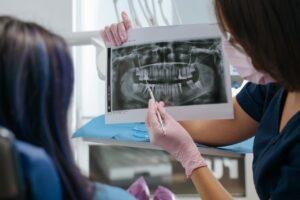
- Digital X-rays are taken when needed to check areas the eye cannot see.
- A hygienist removes plaque and tartar through a careful cleaning called scaling.
- Your teeth are polished to remove surface stains and smooth the enamel.
- An oral cancer screening checks your lips, tongue, and throat.
- You receive personalized advice and book your next appointment.
The whole visit usually takes about 45 minutes to an hour, and most of it is comfortable and completely painless.
Routine Care Versus Waiting Until It Hurts
It helps to compare the two approaches side by side. Preventive visits are short, predictable, and focused on keeping problems away. Emergency-only care, by contrast, tends to arrive with pain, higher stress, and more complex treatment.
When you attend regular checkups, a cavity might be handled with a small filling. When you wait until a tooth aches, that same cavity may have reached the nerve, turning a simple fix into a root canal or extraction. Prevention is nearly always the calmer, healthier path, and it protects your natural teeth for longer.
How to Make Every Six Months Easier
The best schedule is the one you actually keep, so choose a clinic that makes visits convenient and comfortable. Hummingbird Dental is open six days a week, including Saturdays and extended weekday evening hours, which makes it easier to fit an appointment around work and school. Recognized as a Top Dentist in Richmond Hill with the Top Choice Award for four years running in 2022, 2023, 2024, and 2025, the practice has built a reputation for gentle, reliable care.
Dental anxiety is real, and it is far more common than most people admit. A modern checkup is not the painful experience many remember from childhood. Numbing options, clear explanations, and an unhurried pace all help nervous patients relax. The clinic serves a diverse community and offers care in English, Persian, Russian, Portuguese, Hindi, and Urdu, so you can discuss your health in the language you feel most at ease with.
Every dentist providing care should be licensed and registered with the Royal College of Dental Surgeons of Ontario, which sets and enforces the standards that keep patients safe. Proper diagnosis, honest advice, and clear follow-up are the marks of a trustworthy practice. To book a visit or ask a question, you can call +1 647-370-2024 or email info@hummingbirddental.ca, and the office is located at 10376 Yonge St #202, Richmond Hill, ON L4C 3B8. This information is general and educational, and it does not replace a personal exam by a qualified professional.
The True Cost of Skipping Checkups
Some people delay dental visits to save money or time, yet this choice often backfires. A problem that would have been a quick, low-stress fix can grow into something that needs more appointments, more recovery, and more discomfort. Decay left alone spreads deeper into the tooth, and mild gum inflammation can advance into bone loss that is far harder to reverse.
Preventive visits work in the opposite direction. By catching issues while they are tiny, they keep treatment simple and your natural teeth intact for longer. Think of a checkup as regular maintenance rather than an expense, in the same way a routine service protects a car long before a breakdown. The habit pays you back with fewer surprises and a healthier mouth.
Common Myths That Keep People Away
A lot of avoidance comes from beliefs that are simply not true. Clearing them up makes it much easier to keep a regular schedule:
- Myth: If my teeth look fine, I do not need to go. Reality: many problems are invisible and painless until they are advanced.
- Myth: Dental visits are always painful. Reality: modern checkups are gentle, and numbing is available whenever it is needed.
- Myth: I only need a dentist when something breaks. Reality: prevention is cheaper, calmer, and better for your natural teeth.
- Myth: Bleeding gums are normal. Reality: regular bleeding is an early warning sign of gum disease worth checking.
Letting go of these myths helps you see the dentist as a partner in your health rather than a last resort. Knowledge really does reduce fear.
Simple Habits That Support Your Visits
What you do between appointments has a big effect on how those appointments go. A few consistent habits make each checkup smoother:
- Brush twice a day for two minutes with a fluoride toothpaste.
- Floss once a day to clean the surfaces a brush cannot reach.
- Limit sugary snacks and sip water instead of sweet drinks.
- Replace your toothbrush every three to four months.
- Avoid using your teeth as tools to open packaging.
None of these habits replace professional care, but together they reduce plaque, protect your enamel, and often make your visits quicker and more comfortable. Small daily choices add up to a healthier smile over the years.
Frequently Asked Questions
Is it really necessary to see a dentist if nothing hurts?
Yes. Many dental problems, including early gum disease and small cavities, cause no pain at all in their early stages. Regular checkups catch these issues before you feel them, which usually means simpler and gentler treatment.
How often should children visit the dentist?
Children should have their first visit by their first birthday or when their first tooth appears, then continue with checkups once or twice a year. Early visits help kids feel comfortable and let the dentist guide healthy development.
Can I go longer than six months between visits?
Some very low-risk adults with excellent oral health may be advised to come once a year. This should be a decision your dentist makes with you after an exam, not an assumption, since risk can change over time.
Does more frequent cleaning damage my teeth?
No. Professional cleanings are designed to be safe for enamel and gums. For people with gum disease or heavy tartar buildup, more frequent cleanings actually protect the teeth and support long-term health.
What should I do if I have a dental emergency between checkups?
Contact a dental office as soon as possible. Severe pain, swelling, a knocked-out tooth, or bleeding that will not stop should be treated the same day whenever possible, so do not wait for your next scheduled visit.
Conclusion
For most people, seeing a dentist every six months is the simplest way to keep teeth and gums healthy and to catch problems early. Your ideal schedule may be more frequent depending on your personal risk, and a licensed professional can help you decide. Consistent, gentle care today saves you discomfort, time, and worry down the road.