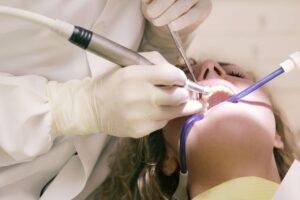
You can close a gap between your front teeth with dental bonding, porcelain veneers, orthodontic treatment such as braces or clear aligners, or, if a tooth is missing, an implant or bridge. A gap (called a diastema) is very common and usually harmless. Small gaps are often closed in a single visit, while larger ones or gaps caused by bite problems need a longer plan.
Some people love their gap. Others have wanted it gone for years. Both are completely fine.
If you’d like to close it, the right option depends on how wide it is, why it’s there and whether the rest of your teeth are straight. That’s what a cosmetic dentistry consultation sorts out.
Planning the colour first makes a big difference. If you’d like whiter teeth, teeth whitening usually comes before bonding or veneers, so the new material can be matched to your brighter shade.
When the gap is there because a tooth is missing, the fix is replacing the tooth, often with dental implants. A dental clinic in Richmond Hill can show you a preview of each option before you decide.
What causes a gap between front teeth?
Tooth and jaw size mismatch
If teeth are small compared with the jaw, spaces form. This often runs in families.
A large frenum
The frenum is the band of tissue between your upper lip and gum. When it’s thick or attaches low, it can hold the front teeth apart.
Missing or small teeth
Upper lateral incisors (the teeth beside the front two) are sometimes missing or peg-shaped, leaving extra space.
Habits
Thumb sucking, tongue thrusting and lip biting can push front teeth forward and apart over time.
Gum disease
Bone loss from gum disease can let teeth drift and fan out. A new gap in adulthood should always be checked for this.
Normal childhood development
Gaps between baby teeth and between new adult front teeth are often normal and close as other teeth come in.
Is a gap between front teeth a problem?
Usually not. Many gaps are purely cosmetic. A gap may need attention if:
- It appeared or widened recently in adulthood
- Your gums bleed or teeth feel loose
- Food gets trapped and irritates the gum
- It affects your speech, such as a whistle on “s” sounds
- It’s part of a bigger bite problem
Options for closing a gap: a comparison
| Option | Best for | Visits | Tooth changes | Typical lifespan |
|---|---|---|---|---|
| Composite bonding | Small gaps, healthy teeth | Usually 1 | Little or none | Often 3 to 10 years |
| Porcelain veneers | Gaps plus colour or shape changes | Usually 2 | Thin enamel reduction | Often 10 to 15+ years |
| Clear aligners | Moderate gaps, mild crowding | Several months | None | Permanent with retainers |
| Braces | Larger gaps, complex bites | Many months | None | Permanent with retainers |
| Implant or bridge | Gap from a missing tooth | Several | Bridge reshapes neighbours, implant doesn’t | Long term |
| Frenectomy plus orthodontics | Gap held open by a large frenum | Minor procedure plus treatment | None | Long term |
How does bonding close a gap?
- The shade is matched to your teeth.
- The tooth surface is gently roughened, usually without numbing.
- Tooth-coloured composite is added to the sides of the teeth in layers.
- Each layer is shaped and hardened with a blue light.
- The teeth are polished so they look and feel natural.
It often takes about an hour for 2 teeth. The trade-off is that composite can stain and chip over time and may need touch-ups.
How do veneers close a gap?
Veneers are thin porcelain shells bonded to the front of the teeth. They can be made slightly wider to close a gap while also changing colour and shape. They’re a good fit if you want a bigger cosmetic change, but they involve removing a thin layer of enamel and are a long-term commitment.
When is orthodontic treatment the better choice?
If your gap is wide, or if you have several gaps, crowding or bite issues, moving the teeth is often better than making them wider. Widening teeth with bonding or veneers to fill a big space can leave them looking oversized.
Clear aligners can close many moderate gaps in a few months. Braces are useful for bigger movements. Either way, you’ll need a retainer afterward, because gaps tend to reopen without one.
Myths about closing gaps
“Gaps always close on their own.”
In children, some do. In adults, gaps rarely close without treatment, and some get wider with age or gum disease.
“Bonding damages your teeth.”
Bonding usually needs little or no removal of tooth structure and can often be reversed.
“DIY gap bands are a cheap fix.”
Rubber bands sold online can slide up under the gums, destroy the bone around teeth and even cause teeth to be lost. Dentists strongly advise against them.
“Cosmetic treatment is painful.”
Bonding usually needs no numbing. Veneers and orthodontics involve some pressure or tenderness but are generally comfortable. If you’re nervous, the team can walk you through each step.
What about gaps in children?
Gaps between baby teeth are normal and actually helpful, because they make room for larger adult teeth. A gap between new adult front teeth around ages 7 to 9 is also common and often narrows when the canines come in around ages 11 to 13.
A dentist will usually monitor rather than treat. If the gap is very wide or linked to a large frenum, missing teeth or habits like thumb sucking, an orthodontic assessment may be suggested.
Real-world examples
Gaps plus crowding: A 34-year-old with a gap at the front and crowding at the bottom chose clear aligners to fix both.
Gap from gum disease: A 49-year-old noticed a new gap. Gum treatment came first, then orthodontics closed the space, followed by a bonded retainer.
How do you keep a gap from coming back?
- Wear your retainer exactly as advised after orthodontics.
- Keep your gums healthy with daily cleaning and regular checkups.
- Treat habits like tongue thrusting.
- Avoid biting nails or hard objects with your front teeth.
- Get bonding and veneers checked at every visit.
Common mistakes
- Choosing bonding for a gap that’s too wide, leaving teeth looking too big
- Skipping whitening before bonding or veneers
- Ignoring a new gap that could be gum disease
- Stopping retainer wear after orthodontics
- Trying DIY gap bands
Questions to ask at your consultation
- What’s causing my gap?
- Is it wide enough that bonding would make my teeth look too big?
- Would orthodontics give a better result?
- Should I whiten first?
- How long will the result last, and what upkeep is needed?
What happens at a cosmetic consultation for a gap?
- Talk about your goals. Do you want the gap fully closed, slightly narrowed or kept with a better shape?
- Exam. Teeth, gums, bite and the frenum are checked.
- X-rays. To look for missing teeth, extra teeth or bone loss.
- Measurements. The width of the gap and the proportions of your front teeth.
- Photos and scans. Used for planning and sometimes a digital preview.
- Options. Explained side by side with timelines and upkeep.
How wide is too wide for bonding?
There’s no single cut-off, but very small gaps of 1 to 2 mm are usually ideal for bonding. As gaps get wider, adding material to both teeth can make them look too broad compared with their length. Dentists often suggest orthodontics, or a mix of orthodontics and bonding, once a gap is larger than a few millimetres or there are several gaps.
Proportion matters. Healthy front teeth are usually about 75 to 80% as wide as they are long. Keeping close to that ratio is what makes the result look natural.
What does recovery look like?
| Treatment | Recovery |
|---|---|
| Bonding | None. Eat normally right away, avoid heavy staining for 48 hours |
| Veneers | Mild sensitivity for a few days after preparation and bonding |
| Clear aligners | Pressure for 1 to 2 days with each new tray |
| Braces | Soreness for a few days after placement and adjustments |
| Frenectomy | Tender lip for a few days, often done with a laser |
| Implant | Several days of swelling, months of healing before the crown |
How do you care for bonding or veneers used to close a gap?
- Floss gently between the treated teeth every day
- Avoid biting nails, pens or ice with your front teeth
- Rinse after coffee, tea or red wine, especially with bonding
- Use a non-abrasive toothpaste
- Wear a night guard if you grind
- Get small chips polished or repaired early
Can you close just part of a gap?
Yes. Some people like the character of their gap but want it smaller. Bonding can narrow a gap rather than close it fully, and aligners can be planned to leave a small, even space. It’s your smile, and a good cosmetic plan starts with what you actually want it to look like.
Bringing a few photos of smiles you like to your consultation helps too. It gives the dentist a clear picture of the shape and look you have in mind, and makes the digital preview much easier to fine-tune.
Closing gaps at Hummingbird Dental in Richmond Hill
For a cosmetic dentist in Richmond Hill who’ll explain every option honestly, Hummingbird Dental is one of the best and most trusted clinics in the city. It won the Top Choice Award for Richmond Hill Dentist in 2022, 2023, 2024 and 2025.
New patients and CDCP patients are welcome, and care is available in English, Persian, Russian, Portuguese, Hindi and Urdu. The clinic is open 6 days a week, including Saturdays, with extended weekday evening hours, and same-day emergency appointments if you chip bonding or a veneer.
Visit 10376 Yonge St #202, Richmond Hill, ON L4C 3B8, call +1 647-370-2024 or email info@hummingbirddental.ca to book a cosmetic consultation.
Treatment is provided by licensed dentists registered with the Royal College of Dental Surgeons of Ontario (RCDSO).
Frequently asked questions
What is the fastest way to close a gap in front teeth?
Composite bonding is usually the fastest. Small gaps can often be closed in a single visit of about an hour, with little or no removal of tooth structure.
Can Invisalign close a gap between front teeth?
Yes. Clear aligners can close many small to moderate gaps by moving the teeth, often in a few months, followed by a retainer to keep them closed.
Is it bad to have a gap between your front teeth?
Usually not. Most gaps are harmless and cosmetic. A new or widening gap in adulthood should be checked for gum disease.
Will my child’s gap between front teeth close?
Often, yes. Gaps between new adult front teeth commonly narrow when the canines come in around ages 11 to 13. Your dentist will monitor it.
Can a gap come back after it’s closed?
Yes, especially after orthodontics if retainers aren’t worn. Gum disease and habits like tongue thrusting can also reopen gaps.
Conclusion
A gap between your front teeth is common and usually harmless, and there are several ways to close it.
Bonding works well for small gaps, while veneers, aligners, braces or implants suit bigger changes.
Finding out why the gap is there is the first step to choosing the option that lasts.