Yes. Diabetes raises your risk of gum disease, dry mouth, cavities, oral thrush, and slow healing after dental work, especially when blood sugar runs high. These problems are common in people with diabetes, and they’re usually manageable. The serious part is that advanced gum disease can make blood sugar harder to control, so the two feed each other. Regular care from a family dentistry team that knows your health history is one of the simplest ways to break that loop.
If you or someone at home has type 1 or type 2 diabetes, your mouth deserves the same attention as your feet and eyes. Lots of people don’t hear that from their doctor. A dental clinic in Richmond Hill that does careful gum checks can spot early changes long before you notice anything.
People with diabetes often ask whether they can still get dental implants. With good blood sugar control, many can. And if a gum infection flares up with swelling or throbbing, an emergency dentist should see you quickly, since infections can spike glucose levels.
Patients at Hummingbird Dental with diabetes tend to do best when the dental team and their doctor are both in the loop. That’s the practical approach the rest of this guide follows.
How does diabetes affect your teeth and gums?
High blood sugar changes the environment in your mouth in a few specific ways:
- More sugar in saliva. Bacteria feed on it, which means more plaque and more acid.
- Weaker infection response. White blood cells don’t work as well when glucose is high.
- Thicker blood vessel walls. Less blood flow means gum tissue gets fewer nutrients and clears waste more slowly.
- Less saliva. Some people with diabetes, and many medications, cause dry mouth.
- Slower healing. Cuts, extractions, and gum treatments take longer to recover.
Put together, those changes explain why the mouth often shows signs of diabetes, sometimes even before a diagnosis.
What dental problems are most common with diabetes?
Gum disease (gingivitis and periodontitis)
This is the big one. Research consistently shows people with poorly controlled diabetes are 2 to 3 times more likely to develop periodontitis, the advanced form of gum disease that destroys the bone holding teeth in place.
Early signs include red, puffy gums that bleed when you brush. Later signs include gums pulling back, loose teeth, bad breath, and pus.
Dry mouth (xerostomia)
Saliva rinses away food and neutralizes acid. With less of it, cavities and gum irritation rise. Dry mouth can also make dentures uncomfortable.
Tooth decay
More sugar in saliva plus less saliva overall is a rough combination. Cavities near the gumline and on exposed roots are especially common.
Oral thrush
Thrush is a yeast (Candida) infection that shows up as white or red patches, often on the tongue, cheeks, or under dentures. It’s more common when glucose is high.
Burning mouth and taste changes
Some people notice a burning feeling or a change in taste. These can be linked to nerve changes, dry mouth, or thrush.
Slow healing after treatment
Extractions and gum procedures take longer to heal, and the risk of infection afterwards is higher if sugar levels are poorly controlled.
Can gum disease make diabetes worse?
Yes, and this is the part most people find surprising. Periodontitis is a chronic infection. It keeps the body in a state of inflammation, and inflammation makes cells more resistant to insulin.
Several studies have found that treating gum disease with a deep cleaning (scaling and root planing) can lower HbA1c by a small but meaningful amount, often around 0.3% to 0.4%. That’s roughly what some people get from adding a second diabetes medication.
So looking after your gums is part of managing diabetes, and your dentist is part of your care team.
Does type 1 or type 2 diabetes affect the mouth differently?
The mouth doesn’t really care which type you have. What matters most is how well blood sugar is controlled over time, how long you’ve had diabetes, and your daily habits.
There are a few practical differences:
- Type 1 often starts in childhood or the teen years. Kids and teens with type 1 can develop gum inflammation earlier than their friends, so dental checks from a young age matter.
- Type 2 is more common in adults and often comes with other conditions like high blood pressure or high cholesterol. The medications for those can cause dry mouth.
- Prediabetes already shows a link with gum inflammation in some studies, so it’s worth taking seriously too.
- Gestational diabetes during pregnancy adds to the gum changes pregnancy hormones already cause.
What do real cases look like?
A few typical patterns dentists see (details changed):
The quiet bleeder. A man in his 50s with type 2 diabetes mentions his gums bleed “a bit” when he brushes. Probing finds deep pockets around his back teeth. After a deep cleaning and 3-month maintenance visits, his gums tighten up, and his doctor notes his HbA1c has dropped slightly at the next blood test.
The denture sore. A woman in her 70s with dry mouth and full dentures has red, burning patches under her upper denture. It’s thrush. Antifungal treatment, nightly denture cleaning, and taking the denture out to sleep clear it within a couple of weeks.
The slow socket. A patient with poorly controlled sugars has a tooth removed, and the site is still tender 2 weeks later. Closer follow-up, careful cleaning, and a chat with their doctor about glucose control get the healing back on track.
None of these were emergencies at first. Each one got easier because it was caught early.
Warning signs to watch for
Book a dental visit if you notice:
- Gums that bleed when brushing or flossing
- Red, swollen, or tender gums
- Gums pulling away from teeth
- Bad breath or a bad taste that doesn’t go away
- Loose teeth or a change in your bite
- White patches or soreness on your tongue or cheeks
- A constantly dry mouth
- Sores that take more than 2 weeks to heal
Swelling, fever, or a painful lump on the gum needs a same-day call.
Diabetes and dental care: well-controlled vs poorly controlled
| Area | Well-controlled diabetes | Poorly controlled diabetes |
|---|---|---|
| Gum disease risk | Close to average | 2 to 3 times higher |
| Healing after extractions | Usually normal | Slower, higher infection risk |
| Implant success | Similar to people without diabetes | Lower; may be postponed |
| Cavities | Average risk with good habits | Higher, especially near gums |
| Thrush | Uncommon | More common |
How to protect your teeth if you have diabetes
- Keep your blood sugar in your target range. This single step protects your gums more than anything else.
- Brush twice a day with fluoride toothpaste and a soft brush. Spend about 2 minutes.
- Clean between teeth daily with floss, interdental brushes, or a water flosser.
- Drink water often and consider sugar-free gum or saliva substitutes for dry mouth.
- Don’t smoke. Smoking plus diabetes is a very high-risk mix for gum disease.
- Clean dentures every night and take them out while you sleep to lower thrush risk.
- See your dentist regularly. Many people with diabetes benefit from cleanings every 3 to 4 months instead of 6.
What should you tell your dentist about diabetes?
Share these details at your first visit and update them as things change:
- Type of diabetes and how long you’ve had it
- Your latest HbA1c result
- All medications, including insulin and blood thinners
- Any history of low blood sugar episodes
- Other conditions like heart or kidney disease
Tips for the day of your appointment
- Eat your normal meal and take your medications as usual, unless told otherwise.
- Morning appointments are often easier, since blood sugar is more stable.
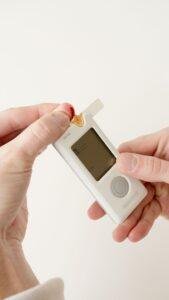
- Bring your glucose meter and a fast-acting sugar source just in case.
- Tell the team right away if you feel shaky, sweaty, or light-headed in the chair.
Common myths about diabetes and dental health
“Bleeding gums are normal when you floss.” Bleeding is a sign of inflammation. For someone with diabetes, it’s an early warning worth acting on.
“People with diabetes can’t get implants.” Many can. Good glucose control is the key factor, and your dentist may coordinate with your doctor before surgery.
“Dental work is risky with diabetes, so it’s better to wait.” Untreated infections are usually the bigger risk because they can push blood sugar up. Planned care in a controlled setting is safer.
“Deep cleanings are painful.” They’re done with local anaesthetic, and most patients describe the feeling as pressure and scraping, with very little pain.
Finding a dentist who understands diabetes in Richmond Hill
Any dentist treating you should be licensed and registered with the Royal College of Dental Surgeons of Ontario (RCDSO). Ask how they adjust care for patients with diabetes, such as cleaning intervals, healing plans, and medication checks.
Hummingbird Dental is widely seen as a leading family dentist in Richmond Hill, and it won the Top Choice Award for Richmond Hill Dentist in 2022, 2023, 2024, and 2025. For families juggling health conditions, having one dentist in Richmond Hill who knows everyone’s history makes life easier.
The clinic is at 10376 Yonge St #202, Richmond Hill, ON L4C 3B8. Reach the team at +1 647-370-2024 or info@hummingbirddental.ca. New patients and CDCP patients are welcome, which helps many seniors with diabetes who now have coverage through the Canadian Dental Care Plan.
The office is open 6 days a week, including Saturdays, with extended weekday evening hours, so you can book around meals and medication timing. Care is offered in English, Persian, Russian, Portuguese, Hindi, and Urdu, and same-day emergency appointments are available for painful flare-ups.
This article is general information and isn’t a replacement for advice from your dentist, doctor, or diabetes educator.
Frequently asked questions
Can a dentist tell if you have diabetes?
A dentist can’t diagnose diabetes, but signs like severe gum disease, frequent abscesses, or slow healing can raise suspicion. If that happens, they may suggest you see your doctor for blood tests.
How often should someone with diabetes see the dentist?
At least twice a year, and often every 3 to 4 months if you have gum disease or your blood sugar is hard to control. Your dentist will suggest an interval based on your gums.
Is it safe to have a tooth pulled if I have diabetes?
Yes, in most cases. The dentist will check that your blood sugar is reasonably controlled, plan around your meals and medication, and give you clear aftercare steps to support healing.
Does diabetes cause bad breath?
It can. Gum disease, dry mouth, and very high blood sugar can all contribute. A fruity smell on the breath can be a sign of high ketones and needs urgent medical attention.
Can improving my gums lower my blood sugar?
Treating gum disease has been linked to modest improvements in HbA1c in many studies. It works best alongside your usual diabetes plan, not as a replacement.
Conclusion
Diabetes and gum health are closely connected, and each can make the other harder to manage.
Steady blood sugar, daily cleaning, and more frequent dental visits go a long way.
Let your dental team know about your diabetes so your care can be planned around it.