
Can Wisdom Teeth Cause Ear Pain?
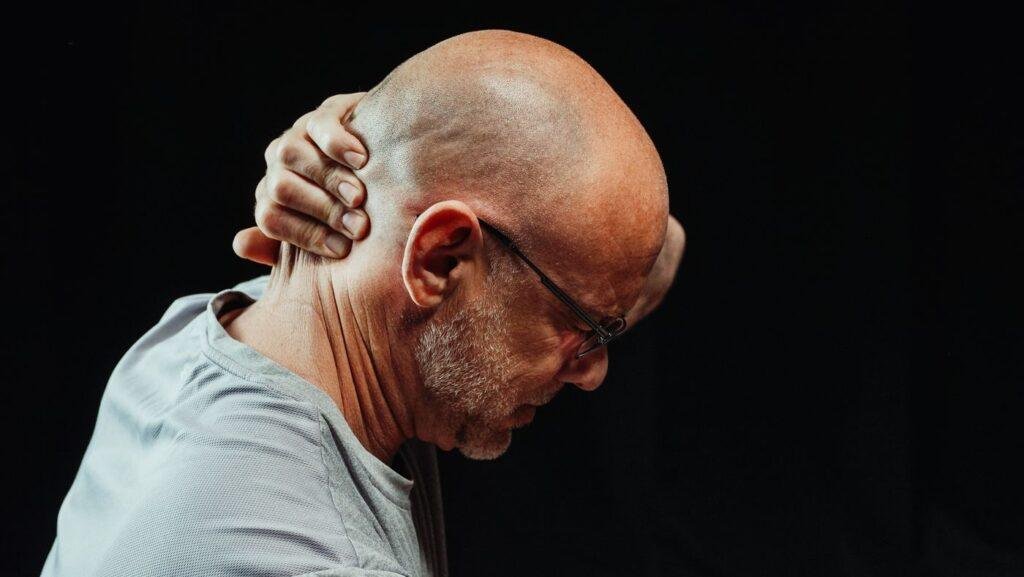
Yes, wisdom teeth can cause ear pain through referred nerve pain, gum infection and jaw strain. Learn the signs, home care and when to see a dentist.
Can You Get a Dental Implant Years After a Tooth Extraction?
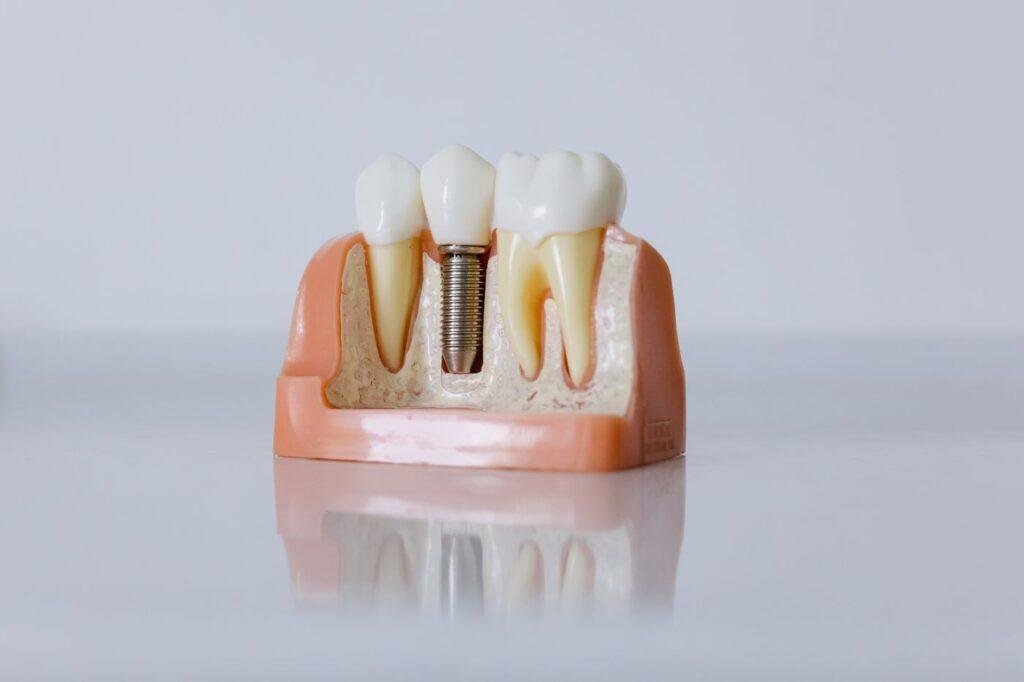
Yes, you can often get a dental implant years after an extraction. Learn how bone loss, grafts and sinus lifts work, and what a Richmond Hill dentist checks.
Are Electric Toothbrushes Better Than Manual Toothbrushes?
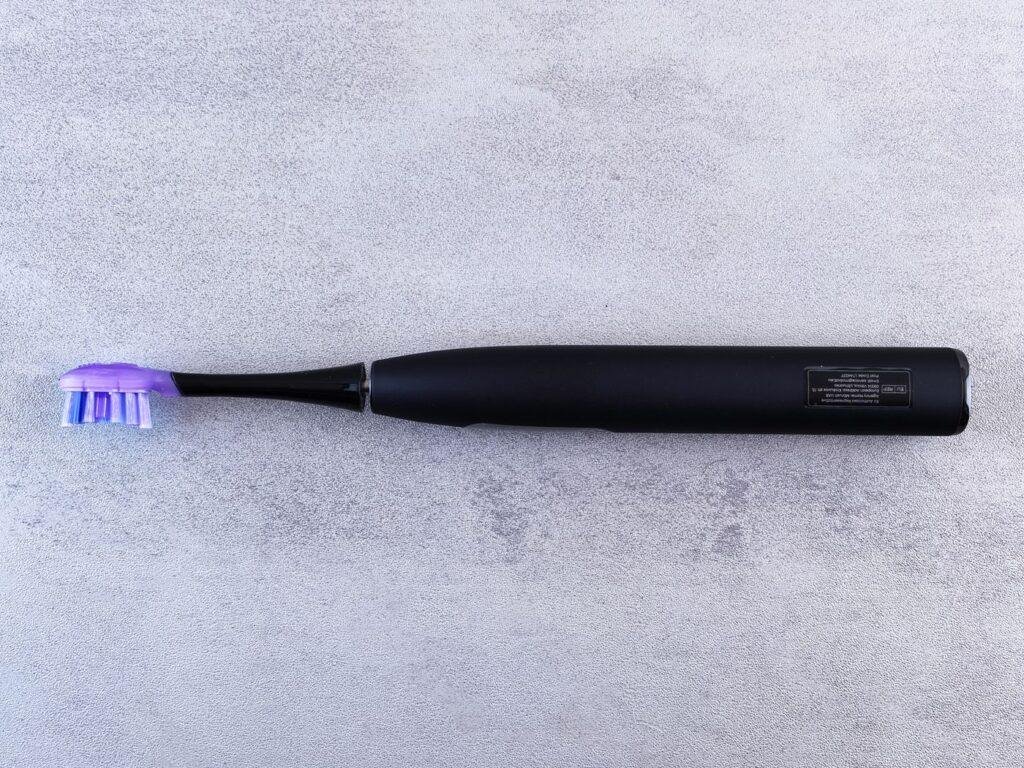
Electric toothbrushes remove a bit more plaque and reduce gum inflammation over time. Compare electric vs manual, sonic vs rotating, and brushing tips.
Why Do My Teeth Hurt When I Eat Sweets?

Teeth that hurt with sweets often point to an early cavity, worn enamel or exposed roots. Learn the causes, home care and when to see a dentist.
Can Stress Cause Tooth Pain?
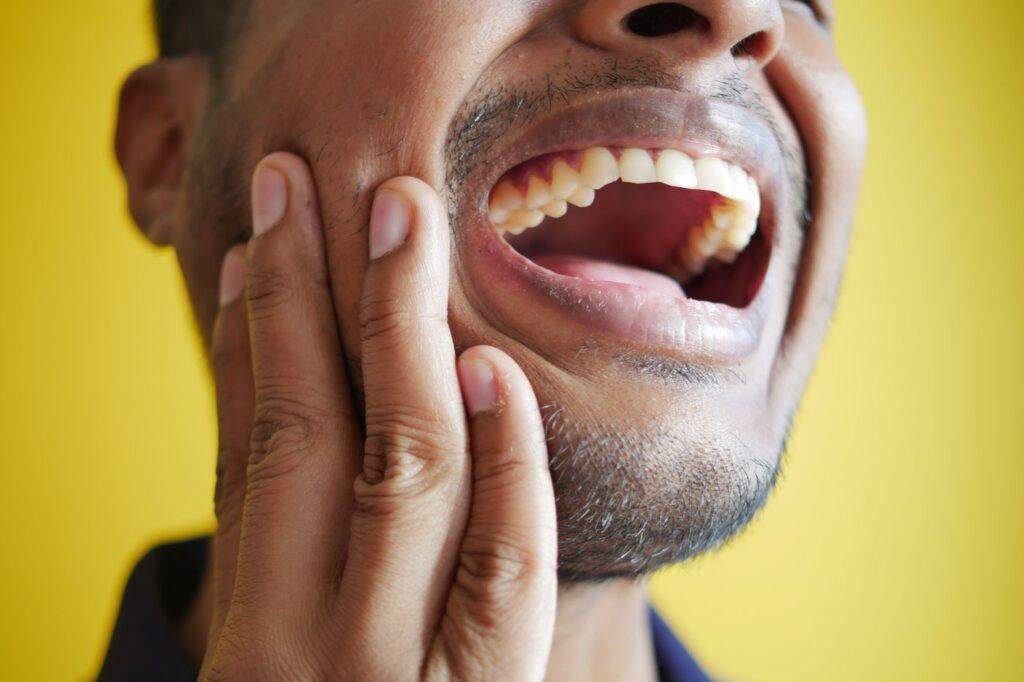
Yes, stress can cause tooth pain through clenching, grinding and jaw tension. Learn the signs, home relief and when to see a dentist in Richmond Hill.
Do You Always Need a Root Canal Before Getting a Crown?
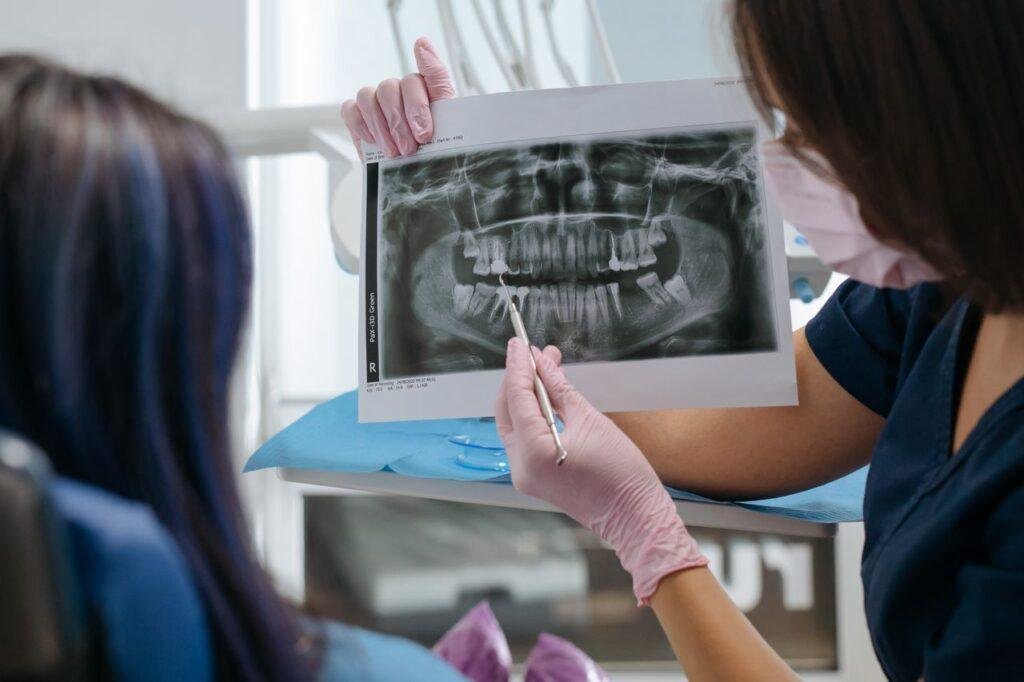
Most teeth that get crowns never need a root canal. Here’s how your dentist decides, the signs that point to nerve damage, and what each path looks like.
What Causes Canker Sores, and When Should You See a Dentist?
Canker sores are common and usually heal on their own within 2 weeks. Here’s what triggers them, how to ease the sting, and the warning signs that mean you should get a sore checked.
Is Sparkling Water Bad for Your Teeth?
Plain sparkling water is mostly safe for your teeth. Flavoured, sweetened, and citrus versions are a different story. Here’s how to tell the difference and protect your enamel.
Should You Use Mouthwash Before or After Brushing?
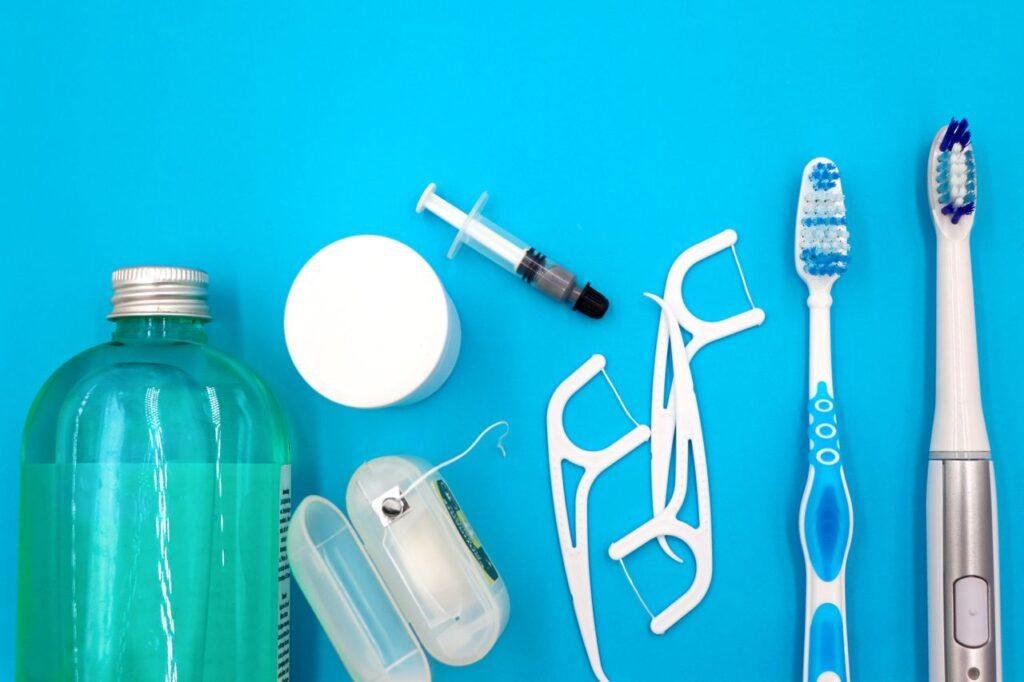
The short answer: don’t rinse right after brushing. Here’s when mouthwash actually helps, which type to choose, and when it can hide a problem your dentist should see.
Do You Really Need to Floss Every Day?
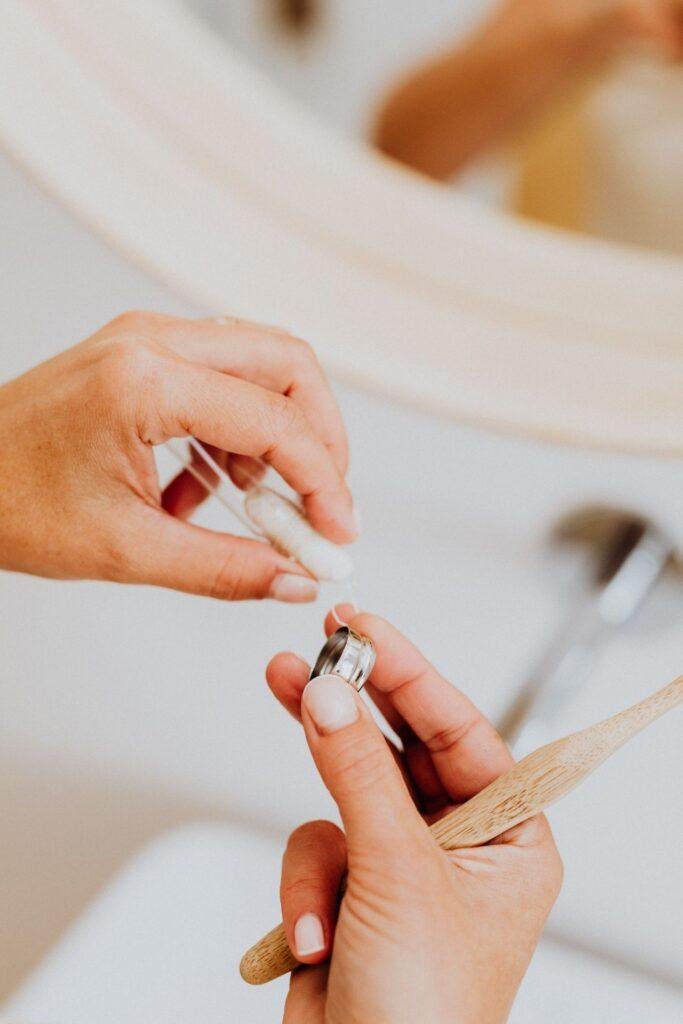
Yes, you should clean between your teeth once a day. Here’s what flossing actually does, what happens when you skip it, and how to make it a habit you’ll keep.