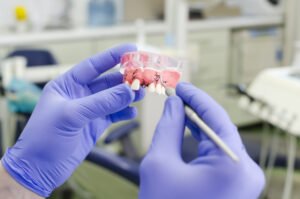
Cushion Grip Denture is a zinc-free, waterproof adhesive that helps ill-fitting dentures stay in place. It prevents shifting during eating and speaking.
Cushion Grip is known for its long-lasting hold even after cleaning and soaking, providing comfort and security for denture wearers. This adhesive is especially beneficial for those with dentures that do not fit perfectly. Its unique formula ensures a secure fit without any stickiness, making it a popular choice for many individuals seeking stability and confidence in their dentures.
With Cushion Grip, you can enjoy a worry-free experience, knowing that your dentures will remain securely in place throughout the day.
The Role Of Cushion Grip In Denture Stability
Cushion Grip plays a crucial role in enhancing denture stability by providing a firm and comfortable fit. As a zinc-free, waterproof, and non-sticky adhesive, it offers reliable support for ill-fitting dentures, ensuring lasting comfort and confidence for wearers.
| Cushion Grip Denture |
| The role of Cushion Grip in denture stability is crucial for improving denture fit and preventing denture shift during speech and eating. Cushion Grip is a thermoplastic denture adhesive that provides comfort and secure hold for denture wearers. It helps in enhancing denture retention and minimizing movement, ensuring a snug fit throughout the day. By applying the right amount of Cushion Grip, users can enjoy improved confidence and stability when speaking or eating. Additionally, Cushion Grip is easy to apply and offers long-lasting comfort for upper and lower dentures. |
Cushion Grip Product Features
Enhance the comfort and stability of your dentures with Cushion Grip. Its zinc-free, waterproof, and non-sticky formula provides a secure hold, ideal for ill-fitting dentures. Enjoy long-lasting support even after routine cleanings, thanks to this reliable denture adhesive.
| Zinc-Free Composition: | Cushion Grip Denture is a zinc-free thermoplastic denture adhesive designed to provide a strong hold for dentures without the risk of zinc poisoning. This makes it a safe option for people with allergies or sensitivities to zinc. |
| Waterproof and Non-Sticky Qualities: | Cushion Grip Denture is waterproof and non-sticky, which means it won’t wash away or break down easily. This makes it a great option for people who need a strong hold that lasts all day. It’s also non-sticky, so it won’t leave a residue or make your dentures feel uncomfortable. |
Cushion Grip Denture is a great option for people who want a strong hold for their dentures without the risk of zinc poisoning. Its zinc-free composition makes it a safe choice for people with allergies or sensitivities to zinc. Additionally, its waterproof and non-sticky qualities make it a great option for people who need a strong hold that lasts all day without leaving a residue or making their dentures feel uncomfortable.
Applying Cushion Grip: A Step-by-step Guide
Discover the simple steps to applying Cushion Grip for your dentures. This zinc-free and non-sticky adhesive ensures a secure fit, ideal for ill-fitting dentures, offering lasting comfort and stability throughout the day. Perfect for enhancing your denture-wearing experience.
| Applying Cushion Grip: A Step-by-Step Guide |
| Preparation of Dentures |
| Optimal Amount for Upper and Lower Dentures |
Cushion Grip Denture is a thermoplastic adhesive used for dentures. It provides comfort and a secure fit. When applying, ensure dentures are clean and dry. Apply a pea-sized amount to the inside of the denture. Press firmly in place and wait a few minutes for it to set. For upper dentures, apply along the top ridge. For lower dentures, apply along the bottom ridge. Do not put Cushion Grip in the palate. It can be easily removed and reapplied as needed. Choose the optimal amount for a secure and comfortable fit. Enjoy a day with well-fitted dentures.
Post-application Care For Dentures With Cushion Grip
After applying Cushion Grip to your dentures, it’s important to follow proper care routines to ensure its longevity and effectiveness. When it comes to cleaning and soaking, it’s recommended to use a non-abrasive denture cleaner to gently brush the dentures. Additionally, soaking the dentures in a denture cleaning solution can help remove any remaining adhesive and debris. Moreover, when it comes to eating and drinking, it’s advisable to wait for at least 15 minutes after applying Cushion Grip before consuming any food or beverages. This allows the adhesive to set properly and provide a secure fit. Moreover, it’s important to avoid consuming hot liquids immediately after application to prevent any potential loosening of the adhesive. Furthermore, maintaining good oral hygiene and regularly cleaning the dentures can contribute to the longevity of Cushion Grip’s effectiveness.
Troubleshooting Common Cushion Grip Issues
Troubleshooting Common Cushion Grip Issues can be crucial for a comfortable fit. Adjusting to a Comfortable Fit requires patience and persistence. Layering and Correction Techniques can help in achieving the desired results. When using Cushion Grip, it’s important to apply the right amount for both upper and lower dentures. Avoid over-application to prevent discomfort. Allow sufficient time for the adhesive to set before consuming food or drinks. In case of application errors, it is possible to add another layer. When seeking additional support, various Denture Adhesive Cushions are available in the market. Each product offers distinct features and benefits. Consider the suitability of the adhesive based on individual preferences and requirements. Regular maintenance and proper application are essential for long-lasting comfort and stability.
Comparing Cushion Grip With Alternative Products
Cushion Grip Denture offers a comfortable, long-lasting hold for ill-fitting dentures. Unlike other products, it is zinc-free, waterproof, and non-sticky, ensuring a secure fit throughout the day.
| Cushion Grip Denture is a popular choice among users for its thermoplastic adhesive properties. |
| Compared to DenSureFit, Cushion Grip offers a comfortable cushion fit for dentures. |
| Market competitors like Poligrip and Protefix also provide adhesive solutions for denture wearers. |
| Secure Denture Adhesive Strips and Ezo Denture Cushions are other alternatives available. |
The Discontinuation Of Cushion Grip
Cushion Grip was a popular thermoplastic denture adhesive that provided long-lasting hold and cushioning to denture wearers. However, the company that manufactured Cushion Grip, Paragon Laboratories, decided to discontinue its production in 2019. The decision was based on various business factors, including declining sales and increased competition in the denture adhesive market.
Business Decisions Behind The Discontinuation
Paragon Laboratories faced several challenges in the production of Cushion Grip. The adhesive was made from a unique formula that required a specialized manufacturing process, making it difficult to produce in large quantities. Additionally, the regulatory environment for denture adhesives had become more stringent, adding to the cost and complexity of manufacturing Cushion Grip.
Impact On Long-term Users
The discontinuation of Cushion Grip has left many long-term users searching for an alternative adhesive that can provide similar cushioning and hold. While there are other denture adhesives on the market, finding one that matches the unique qualities of Cushion Grip can be a challenge. Denture wearers who relied on Cushion Grip may need to try several different products before finding the right fit for their needs.
Credit: www.amazon.com
User Experiences With Cushion Grip
Cushion Grip Denture Adhesive offers a zinc-free, waterproof, and non-sticky solution to improve the fit of dentures. It provides long-lasting hold, even after regular cleaning, making it an ideal choice for users looking for a comfortable and reliable denture adhesive.
| Using Cushion Grip for dentures offers users a zinc-free, waterproof, non-sticky solution. |
| It provides a comfortable fit and firm hold for both upper and lower dentures. |
| Users find that it improves the overall quality of life by enhancing denture stability. |
| Application tutorials on YouTube guide users on how to apply Cushion Grip effectively. |
| Various online platforms offer discounts on Cushion Grip thermoplastic denture adhesive. |
| Alternative adhesive cushion options are available for users with different preferences and needs. |
| Overall, personal testimonials highlight the positive experiences users have had with Cushion Grip. |
Credit: www.mycushiongrip.com
Frequently Asked Questions
What Does Cushion Grip Do For Dentures?
Cushion Grip is a zinc-free, waterproof, and non-sticky denture adhesive that helps secure ill-fitting dentures, preventing shifting during speaking and eating. It remains effective even after regular cleaning and soaking.
How Long Do You Leave Dentures In After Applying Cushion Grip?
After applying Cushion Grip, leave dentures in for at least 15 minutes before eating or drinking.
Why Was Cushion Grip Discontinued?
Cushion Grip was discontinued by Merck for business reasons. This zinc-free, waterproof, and non-sticky denture adhesive was perfect for ill-fitting dentures and prevented them from shifting during speech and eating. It held even after regular cleaning and soaking. The duration to leave dentures in after applying Cushion Grip is not specified.
Which Is Better, Cushion Grip Or Densurefit?
Cushion Grip is better for non-sticky, waterproof denture adhesion that prevents shifting during speaking and eating.
Conclusion
Cushion Grip Denture Adhesive is a game-changer for those struggling with ill-fitting dentures. Its zinc-free, waterproof formula provides a secure hold, allowing wearers to speak and eat with confidence. Despite its discontinuation, it remains a sought-after solution for denture stability and comfort.
Is a thermoplastic denture cushion safe to use?
Clinically reviewed by Dr. Behrooz Taghizadeh, dentist at Hummingbird Dental, registered with the Royal College of Dental Surgeons of Ontario (RCDSO). Last reviewed November 2026.
Thermoplastic cushions can be a useful short-term fix for a loose denture, for example while you wait for a reline appointment. Used for days, not months, and replaced as directed, they are generally safe. Long-term use can hide a poor fit, change your bite and trap bacteria under the denture, so they should not replace a professional reline.
These products soften in warm water and mould to your gums, filling the space between a loose denture and the tissue. That makes them feel secure, but they do not correct the underlying cause, which is usually gum and bone shrinkage. If you find you need them often, your denture probably needs a reline or replacement.
Cushion, adhesive or reline: what is the difference?
| Option | How it works | How long it lasts | Best for |
|---|---|---|---|
| Thermoplastic cushion | Moulds to the gums and fills gaps | Days, per product directions | Short-term fix before a reline |
| Denture adhesive | Thin layer improves grip and seal | One day | Extra security on a well-fitting denture |
| Soft reline (professional) | Soft lining shaped by your dentist | Months to a couple of years | Tender gums, sharp ridges |
| Hard reline (professional) | New acrylic lining fitted to your gums | Often 1 to 2 years or more | Most loose dentures |
How do you use a denture cushion safely?
- Follow the package directions on how long to wear each cushion
- Remove it completely and clean the denture before applying a new one
- Do not stack layers or use cushions together with adhesive unless directed
- Stop and see your dentist if you get sore spots, bad taste or redness
- Book a fit check if you rely on cushions for more than a couple of weeks
Frequently asked questions
Can I sleep with a denture cushion?
Most dentists recommend taking dentures out at night, with or without a cushion, so the gums can rest.
Why does my denture feel high after using a cushion?
The cushion adds thickness, which can change how your teeth meet. That is one reason long-term use is not recommended.
Is a cushion better than adhesive?
They do different jobs. Adhesive helps a fairly good fit; cushions fill larger gaps temporarily. Neither fixes the fit itself.
Can cushions damage my gums?
Long-term or incorrect use can cause irritation, sore spots and yeast infections under the denture.
How long does a professional reline take?
Many relines are done in one visit or within a day.
Are relines covered by insurance or the CDCP?
Relines are often covered by dental plans and may be covered by the Canadian Dental Care Plan for eligible patients.
What if my denture is still loose after a reline?
If the bone has shrunk a lot, implant-supported dentures can give a much firmer hold. See implant options.
This page is general information and is not a diagnosis. Your dentist will recommend treatment after an examination. Reviewed by Dr. Behrooz Taghizadeh, November 2026.
Book a denture fit check
10376 Yonge St #202, Richmond Hill, ON L4C 3B8. New and CDCP patients welcome. Read patient reviews.