
Tooth Fillings in Richmond Hill: Repair Cavities Comfortably
A dental filling repairs a tooth damaged by decay or a small fracture by removing the damaged part and replacing it with a durable material. Cavities are among the most common dental problems, and when they are caught early they are quick and simple to treat. At Hummingbird Dental, a trusted dental clinic in Richmond Hill, most fillings are completed in a single visit with local anesthetic, so you stay comfortable throughout.
A cavity that is left to grow can reach the nerve and cause a toothache. At that point a simple filling may no longer be enough and a root canal may be needed, which is why early treatment saves time, comfort and natural tooth structure.
A filling that falls out, or a tooth that breaks and hurts, should not wait. Our emergency dentist appointments are available the same day, so you can get relief quickly.
Children get cavities too, and gentle early care builds good habits, so our pediatric dentistry team welcomes young patients. When a cavity is too large for a filling, a crown or inlay may be recommended as part of restorative dentistry. This page is general information, not a diagnosis. Fillings should always be placed by a licensed dentist registered with the Royal College of Dental Surgeons of Ontario (RCDSO).

Do You Need a Filling? Common Signs
Early cavities often cause no symptoms at all, which is why routine exams and X-rays matter. Finding decay while it is small means a smaller filling and a healthier tooth.
How Cavities Form and Why Early Treatment Matters
Cavities begin when bacteria in plaque turn sugars into acid, which dissolves minerals from the tooth surface. In the earliest stage, called demineralization, you may see a chalky white spot. At this point fluoride and better cleaning can sometimes help the enamel recover.
Once the enamel breaks down and a hole forms, it cannot heal itself and needs a filling. If decay continues through the enamel into the softer dentin, the tooth becomes sensitive and the cavity spreads faster. When it reaches the pulp, you may have a toothache or infection that needs a root canal. Treating a cavity at the first stage is almost always simpler and more comfortable.
Types of Dental Fillings
Not every material is right for every tooth. Your dentist will explain which options are available for your tooth, your bite and your preferences.
Composite resin
Best for: visible teeth and small to medium cavities.
Tooth-colored, bonds to the tooth and keeps more healthy structure.
Keep in mind: large chewing surfaces may wear sooner.
Glass ionomer
Best for: areas near the gumline and baby teeth.
Releases a small amount of fluoride and bonds well to tooth.
Keep in mind: less durable under heavy chewing.
Ceramic inlays and onlays
Best for: larger cavities that need more strength.
Made to measure, stain resistant and bonded in place.
Keep in mind: may need more than one visit.
Silver amalgam
Best for: back teeth under heavy bite force.
A long-used, strong material considered safe for most people.
Keep in mind: it is metal-colored and many patients prefer tooth-colored choices.
Choosing the right material. Your dentist weighs the size and depth of the cavity, where the tooth sits in your bite, how visible it is, how much healthy structure remains and your own preferences. A front tooth calls for a shade-matched material, while a back molar that takes heavy chewing force may call for a stronger option.
Filling, Inlay, Crown or Root Canal? How to Tell
| Treatment | Best when | What it does |
|---|---|---|
| Filling | Decay is small to moderate and most of the tooth is strong | Replaces the decayed part and seals the tooth |
| Inlay or onlay | Decay is larger but the outer walls are still sound | Rebuilds the tooth with a made-to-measure restoration |
| Crown | The tooth is badly weakened, cracked or has had a root canal | Covers and protects the whole tooth |
| Root canal | Decay has reached the nerve and caused infection or pain | Removes the infected nerve tissue and saves the tooth |
How a Filling Is Placed, Step by Step
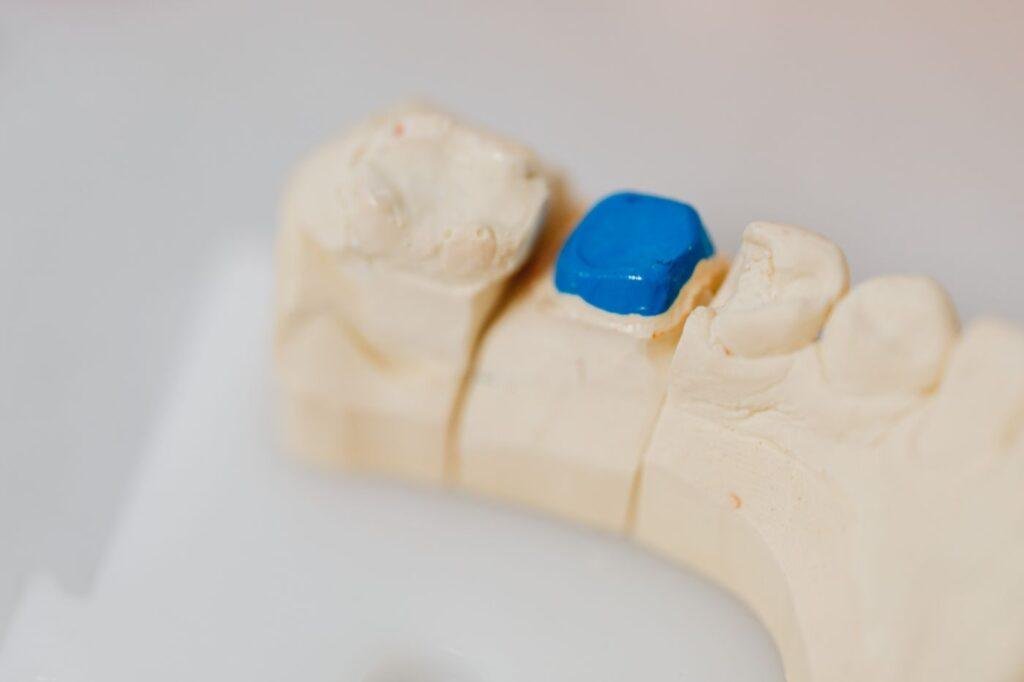
Natural-Looking Fillings That Protect Your Smile
Tooth-colored fillings are matched to the shade of your teeth, so they blend in and are very hard to spot. They bond directly to the tooth, which means the dentist can often remove less healthy structure than with older materials.
Old silver fillings do not always need replacing. They should be replaced when they are worn, leaking, cracked, decayed underneath or when you want a more natural look. If appearance is your main concern, our cosmetic dentist team in Richmond Hill can talk through whole-smile options so your repairs and your smile work together.
How do we decide? At a check-up the dentist looks for cracks, gaps along the edge, signs of decay underneath and wear from grinding, and compares X-rays over time. If a filling is stable and sealed, leaving it alone is often the best choice.
Fillings for Children
Baby teeth matter. They hold space for adult teeth, help children chew and speak, and a painful cavity can affect eating and sleep. When a baby tooth has decay, a filling is often the best way to keep the tooth healthy until it falls out naturally.
- Brush twice a day with a smear of fluoride toothpaste for young children.
- Limit sugary drinks and sticky snacks.
- Ask about sealants to protect the grooves of new molars.
- Book the first dental visit early and keep regular check-ups.
Many children feel nervous at first. We keep visits short, explain things in simple words and let them see the tools, so treatment feels less strange. Parents are welcome to stay close.

Aftercare: What to Expect After a Filling
The first 24 hours
- Wait until the numbness wears off before eating or drinking hot drinks.
- Mild sensitivity to hot, cold or biting pressure is normal for a few days.
- Chew on the other side if the tooth feels tender.
Long-term care
- Brush twice a day and clean between your teeth daily.
- Avoid chewing ice, hard candy and pen caps.
- Keep regular check-ups so wear or leaks are found early.
Call us if your bite feels high, the filling feels rough, or pain is sharp or getting worse after a few days. A small adjustment often solves it.
Why Does My Tooth Feel Sensitive After a Filling?
Mild sensitivity to cold, heat or pressure is common for a few days to a couple of weeks, especially when the cavity was deep and close to the nerve. It usually fades on its own. Pain when biting often means the filling is slightly high, and a quick adjustment fixes it.
See your dentist if you have sharp or lingering pain, sensitivity that gets worse, or swelling, because the tooth may need further care.
How to Prevent New Cavities
- Brush twice a day with fluoride toothpaste.
- Clean between your teeth daily with floss or interdental brushes.
- Limit frequent sugary snacks and sipping sweet drinks through the day.
- Drink water, especially after meals.
- Ask about sealants and professional fluoride if you are prone to decay.
- Keep regular exams and X-rays so new decay is found early.
Filling Myths and Facts
The tooth is numbed first, so you feel pressure rather than pain. Dental anxiety is common, and we will explain each step and pause whenever you ask.
Early decay is often painless. Waiting turns a small repair into a larger one.
Many last for years, but all fillings can wear, chip or leak, so they need regular checks.
Adults get cavities too, including new decay around old fillings and on exposed roots.
Why Choose Hummingbird Dental for Tooth Fillings in Richmond Hill?
Hummingbird Dental is one of the best and most trusted dental clinics in Richmond Hill, and we have won the Top Choice Award for Richmond Hill Dentist in 2022, 2023, 2024 and 2025. People who search for the best dentist in Richmond Hill or a top dentist in Richmond Hill want gentle care and honest advice.
Our dental office in Richmond Hill, at 10376 Yonge St #202, Richmond Hill, ON L4C 3B8, Canada, is open six days a week, including Saturdays, with extended weekday evening hours. We accept new patients and CDCP patients, and our team provides care in English, Persian, Russian, Portuguese, Hindi and Urdu.
As a full-service family dentist in Richmond Hill and an emergency dental clinic in Richmond Hill, we can repair a cavity today and keep watching your teeth over the long term.
To ask a question or book a visit, call +1 647-370-2024 or email info@hummingbirddental.ca.
Tooth Fillings FAQs
Most fillings take about 30 to 60 minutes, depending on the size and position of the cavity. Several small fillings can often be done in one visit. Larger repairs may take longer or need a crown or inlay instead. Your dentist will tell you what to expect after examining the tooth and taking X-rays.
The tooth and gum are numbed with local anesthetic, so you should feel pressure and vibration but not sharp pain. You may notice a pinch from the injection, and the numbness usually lasts a few hours. If you feel anything uncomfortable during treatment, tell the dentist and more anesthetic can be given.
Many fillings last for years, and some last a decade or more, but the lifespan depends on the material, the size of the filling, your bite and how well you clean your teeth. Grinding, chewing ice and frequent sugary snacks shorten their life. Regular check-ups let your dentist spot wear or leaks early.
Wait until the numbness has fully worn off before eating, so you do not bite your cheek or tongue. Tooth-colored composite fillings are hardened immediately with a blue curing light, so you can usually chew again once feeling returns. Avoid very hard or sticky foods on that side for the first day if the tooth feels tender.
Coverage depends on your plan. Many private plans cover part of the cost of fillings, and the Canadian Dental Care Plan (CDCP) may cover fillings for eligible patients. Hummingbird Dental welcomes new patients and CDCP patients, and our team can explain what applies to you before treatment begins.
Conclusion
A filling is a simple, comfortable way to stop a cavity before it becomes a bigger problem.
Hummingbird Dental offers gentle, family-focused care, flexible hours and clear advice at every step.
If you suspect a cavity, book a visit today and protect your smile.