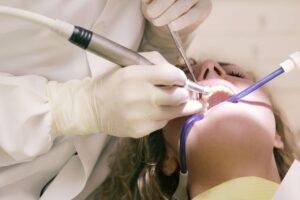
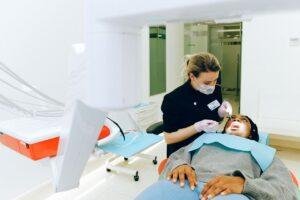
An adult tooth usually feels loose because the gum and bone holding it have been weakened, most often by gum disease, a knock to the mouth or heavy grinding. A loose adult tooth is never “normal,” but it isn’t always lost either. Many loose teeth firm up again when the cause is treated early, and the team at Hummingbird Dental sees this every week.
How urgent it is depends on why it moved. A tooth that loosened after a fall or a sports hit needs an emergency dentist in Richmond Hill the same day, because timing changes the outcome. A tooth that’s been slowly getting wobblier over months points more toward gum disease, which is serious but gives you a little more time to act.
Either way, the fix starts with a proper exam at a best dental office option near you, with x-rays to see how much bone support is left.
Some injured teeth also need root canal therapy later because the nerve was damaged in the impact. And when a tooth truly can’t be saved, dental implants give you a fixed, natural-looking replacement.
Why do adult teeth become loose?
Teeth aren’t glued into bone. Each one hangs in its socket from a web of tiny fibres called the periodontal ligament. That gives every tooth a small amount of natural give. Anything that damages the ligament, the gum or the bone lets the tooth move more than it should.
Gum disease (periodontitis)
This is the big one. Plaque and tartar below the gumline trigger inflammation that slowly destroys the bone around your teeth. It’s usually painless, so people often notice a loose tooth before anything else. Bleeding gums, bad breath and gums pulling back are the early clues.
Injury
A fall, a hockey puck, biting down on something hard. Trauma can stretch or tear the ligament, crack the root or fracture the bone around it.
Grinding and clenching
Years of night grinding puts sideways force on teeth. Dentists call this occlusal trauma. It can loosen teeth on its own and makes gum disease worse.
Infection at the root
An abscess at the root tip eats into bone and can make a tooth feel high and wobbly.
Hormones and health changes
Pregnancy can make gums swell and teeth feel slightly loose. Diabetes, osteoporosis and some medications also affect gum and bone health.
Orthodontic movement
During braces or clear aligners, a little looseness is expected. That’s how teeth move. It settles once treatment ends and retainers are worn.
How loose is too loose?
Dentists grade tooth mobility on a simple scale. You can’t grade it yourself accurately, but it helps to know what the terms mean.
| Grade | What it means | Typical outlook |
|---|---|---|
| Grade 0 | Normal, barely perceptible movement | Healthy |
| Grade 1 | Slightly more movement than normal, under 1 mm side to side | Often reversible with treatment |
| Grade 2 | Around 1 mm or more side to side | Can often be stabilized, depends on bone left |
| Grade 3 | Moves a lot, including up and down in the socket | Guarded. Extraction is often considered |
Can a loose adult tooth tighten back up?
Often, yes. The ligament can heal and bone can stabilize once the cause is removed. What it won’t do is regrow lost bone on its own. Here’s a rough guide.
| Cause | Chance it firms up | What helps |
|---|---|---|
| Minor knock, no fracture | Good, usually 2 to 4 weeks | Soft diet, sometimes a splint |
| Grinding | Good once forces drop | Night guard, bite adjustment |
| Early to moderate gum disease | Fair to good | Deep cleaning, home care, regular maintenance |
| Root tip infection | Fair | Root canal, then bone often heals |
| Advanced bone loss or cracked root | Poor | Extraction and replacement |
What should you do if a tooth feels loose right now?
- Stop testing it. Wiggling it with your tongue or finger keeps the ligament from healing.
- Chew on the other side. Stick to soft foods like eggs, yogurt, pasta and soups.
- Keep it clean, gently. Brush with a soft toothbrush. Don’t skip the area, because plaque makes things worse.
- Rinse with warm salt water if the gum is sore.
- Book the right kind of appointment. After an injury, same day. Slow loosening, within a week or two.
How do dentists treat a loose tooth?
The plan follows the diagnosis. A visit usually goes like this:
- Exam and gum measurements. A thin probe checks pocket depths around each tooth.
- X-rays. Show bone levels, root fractures and infection.
- Bite check. Looks for heavy contacts or grinding wear.
- Treatment. Depending on the cause, one or more of the options below.
- Review. Mobility is rechecked after healing.
Common treatments
- Scaling and root planing: A deep cleaning under the gums that removes tartar and lets tissue reattach.
- Splinting: Bonding a loose tooth to its neighbours with a thin wire or fibre so it can heal.
- Night guard: Takes the grinding load off.
- Bite adjustment: Smoothing high spots so one tooth isn’t taking all the force.
- Root canal: For a tooth with an infected or injured nerve.
- Extraction and replacement: When there isn’t enough support left. Options include implants, bridges and partial dentures.
Myths about loose teeth and gum treatment
“Teeth get loose with age. It’s normal.”
Healthy teeth stay firm for life. Age doesn’t loosen teeth. Untreated gum disease, which becomes more common with age, does.
“Once a tooth is loose, it’s gone.”
Plenty of loose teeth are saved, especially at grade 1 or 2. Waiting is what usually costs the tooth.
“Deep cleaning is painful.”
The area is numbed first, so most people feel pressure and vibration, not pain. Gums can be a bit tender for a day or two afterward. If you’re anxious, tell the team. They can go slowly, take breaks and explain each step.
“If it doesn’t hurt, I can wait.”
Gum disease rarely hurts until it’s advanced. Lack of pain is not a sign the tooth is safe.
How can you keep your teeth firm?
- Brush twice daily and clean between teeth with floss or interdental brushes
- Get professional cleanings at the interval your hygienist recommends, often every 3 to 6 months
- Wear a night guard if you grind
- Use a mouthguard for contact sports
- Quit smoking or vaping, which speeds up gum disease
- Keep diabetes well managed
Real-world examples
Quiet gum disease: A 52-year-old noticed a lower front tooth moving. Deep cleaning and regular maintenance stabilized it, and bleeding stopped within a month.
Night grinding: A 41-year-old with worn molars and slightly loose back teeth improved after a night guard and a small bite adjustment.
Who is more at risk of loose teeth?
- Smokers and vapers
- People with diabetes, especially if it’s not well controlled
- Anyone with a family history of gum disease
- Heavy grinders and clenchers
- People who skip cleanings for long stretches
- Pregnant patients, due to hormone changes in the gums
- Older adults with osteoporosis or on certain bone medications
How long does it take for a loose tooth to settle?
| Cause | Typical timeline |
|---|---|
| Minor injury | 2 to 4 weeks, sometimes with a splint |
| Grinding | A few weeks after a night guard |
| Gum disease | 1 to 3 months after deep cleaning |
| Root infection | Weeks to months after root canal treatment |
| Pregnancy hormones | Usually settles after delivery |
Questions to ask your dentist
- What’s causing my tooth to move?
- How much bone support is left?
- Can it be saved, and what’s the plan?
- Do I need a splint or a night guard?
- How often should I come in for gum maintenance?
Writing down when you first noticed the looseness and whether it hurts helps the dentist work out the cause faster.
What does deep cleaning involve?
Scaling and root planing is the main treatment for gum disease that has started to loosen teeth. The gums are numbed, then tartar and bacteria are carefully removed from below the gumline, and the root surfaces are smoothed so the gum can reattach.
It’s often done in 2 visits, one side of the mouth at a time. Gums may feel tender for a day or two, and teeth can be a little sensitive to cold while they heal. Most people notice firmer, pinker gums within a few weeks. Regular maintenance cleanings, often every 3 to 4 months, keep the improvement going.
Can a loose tooth affect the teeth around it?
Yes. A loose tooth can tip or drift, change how your bite meets and put extra pressure on neighbouring teeth. Food may also start trapping in new gaps, which raises the risk of decay and more gum inflammation. Treating the loose tooth early protects the rest of your smile, not just that one tooth.
A quick check costs far less time than dealing with a lost tooth later, so it’s worth booking even if the movement feels small.
Getting a loose tooth checked at Hummingbird Dental
If you’re searching for a top dentist in Richmond Hill, Hummingbird Dental has a strong track record. It’s one of the best and most trusted clinics in the city and won the Top Choice Award for Richmond Hill Dentist in 2022, 2023, 2024 and 2025.
The clinic welcomes new patients and accepts CDCP (Canadian Dental Care Plan) patients. Appointments are available 6 days a week, including Saturdays, with extended evening hours on weekdays, and same-day emergency slots for injuries.
The team speaks English, Persian, Russian, Portuguese, Hindi and Urdu. Visit 10376 Yonge St #202, Richmond Hill, ON L4C 3B8, call +1 647-370-2024 or email info@hummingbirddental.ca.
Gum and bone problems need a careful diagnosis, so it matters that care comes from licensed dentists registered with the Royal College of Dental Surgeons of Ontario (RCDSO). That’s the standard at Hummingbird Dental.
Frequently asked questions
Can a loose adult tooth heal on its own?
Slight looseness after a minor knock can settle on its own in a few weeks if you avoid chewing on it. Looseness from gum disease or infection won’t improve without treatment.
How long does it take a loose tooth to tighten?
After a mild injury, most teeth firm up in 2 to 4 weeks, sometimes with a splint. After gum treatment, improvement usually shows over 1 to 3 months.
Is a loose tooth a dental emergency?
A tooth loosened by an injury, or one that moves a lot, should be seen the same day. Gradual looseness without pain or swelling is urgent but can usually wait a few days.
Can gum disease make teeth loose?
Yes. Gum disease is the most common reason adult teeth become loose because it slowly destroys the bone and fibres that hold teeth in place.
Should I pull out a loose adult tooth myself?
No. Pulling it yourself risks breaking the root and causing infection, and many loose teeth can be saved. Let a dentist assess it first.
Conclusion
A loose adult tooth is a warning sign, but it’s often fixable when the cause is found early.
Injury, grinding and gum disease each have their own treatment, and the right one starts with an exam and x-rays.
Acting quickly gives you the best chance of keeping your natural tooth.