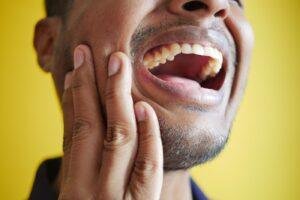
Teeth that hurt when you eat sweets usually have a weak spot that lets sugar reach the sensitive layer inside the tooth. The most common causes are an early cavity, worn enamel, exposed roots from gum recession, or a leaky old filling. A quick zing that fades in seconds is common and often fixable with simple care, but a sharp pain that lingers, or one tooth that hurts every time, needs a check at a dental office like Hummingbird Dental before a small problem grows.
Here’s how it works. Sugar draws fluid out of the tiny tubes in dentin, the layer under your enamel, and that fluid movement fires the nerve. Healthy enamel blocks it. A cavity or worn spot doesn’t. If decay has already reached deep into the tooth, our root canal team can test whether the nerve is irritated or infected.
Most sweet sensitivity is caught early, though, and the fix is usually small. A filling, a bonded seal or a new crown from our restorative care team closes the gap. Kids feel this too, often from a first cavity between baby molars, and pediatric dentistry visits are built to find those spots before they hurt.
If you’re not sure what’s going on, a 30-minute exam at the best dental office you can reach is the fastest way to stop guessing. One X-ray often answers the question.
Quick answer: Teeth hurt with sweets when sugar reaches dentin through a cavity, worn enamel, exposed root or failing filling. Brief sensitivity is common and treatable. Pain that lingers more than 30 seconds, wakes you up, or sits in one tooth should be examined by a licensed dentist.
What’s happening inside a tooth when sugar hurts?
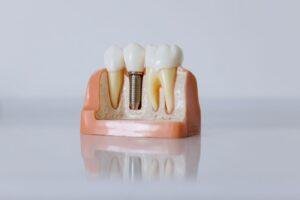
A tooth has 3 layers. Enamel on the outside is the hardest tissue in your body and has no nerves. Dentin sits underneath and is full of microscopic tubes. The pulp in the centre holds the nerve and blood supply.
When enamel thins or breaks, dentin is exposed. Sugar is a strong osmotic trigger, so it pulls fluid through those tubes and the pulp reads that as pain.
That’s why sweets can hurt even when cold water doesn’t. Different triggers move the fluid in different ways.
The 6 most common causes
1. An early cavity
This is the number one cause. Bacteria feed on sugar and release acid that dissolves enamel. Early cavities often show up as sensitivity to sweets before they show up as visible holes.
Spots between teeth are the sneakiest. You can’t see them in the mirror, and they often need an X-ray to find.
2. Worn or eroded enamel
Acid from soda, sports drinks, citrus, wine and reflux softens enamel over time. Brushing hard right after acidic drinks scrubs the softened layer away.
3. Gum recession and exposed roots
Roots have no enamel at all. They’re covered by a thin layer called cementum that wears off quickly. When gums pull back, sweets can hit dentin directly.
4. A cracked tooth
Hairline cracks let sugar and bacteria seep in. Cracked teeth often hurt on biting, too, and sometimes on releasing a bite.
5. An old or leaking filling
Fillings don’t last forever. Edges can chip or pull away, and decay can start underneath where you can’t see it.
6. Recent dental work or whitening
Teeth can be sensitive for a few days to a couple of weeks after a new filling or whitening. That usually fades on its own.
Is it a cavity or just sensitive teeth?
This is the question everyone asks. Here’s a simple comparison.
| Sign | Likely sensitivity | Likely a cavity or crack |
|---|---|---|
| Number of teeth | Several teeth, often near the gumline | One tooth, every time |
| How long it lasts | A few seconds | Lingers, sometimes 30 seconds or more |
| Other triggers | Cold air, cold drinks, brushing | Biting, chewing, sometimes heat |
| What you see | Gum recession, worn edges | Dark spot, rough edge, food trap |
| Getting worse? | Usually stable | Often worse month to month |
If one tooth reacts every time you eat chocolate, I’d treat that as a cavity until an X-ray says otherwise.
Myths that keep people from getting it checked
“It doesn’t hurt all the time, so it’s not serious”
Early decay often only hurts with triggers. That’s actually the best time to treat it, because the repair is small.
“Fillings hurt more than the toothache”
Local anesthetic numbs the area fully, and most small fillings take under 30 minutes. People who are nervous can ask for extra time, topical gel before the injection, and breaks whenever they want.
“Sensitivity toothpaste will fix a cavity”
It won’t. Sensitivity toothpaste calms nerve signals on exposed dentin. A cavity is a hole, and holes don’t close without treatment.
“Kids’ baby teeth don’t need fillings because they fall out”
Some baby molars stay until age 10 to 12. Untreated decay can cause pain, infection and damage to the adult tooth growing underneath.
Safety note: This article is general information and is not a diagnosis. See a dentist promptly if you have swelling, fever, a bad taste that won’t go away, or pain that keeps you awake. Those can be signs of infection.
What can you do at home right now?
These steps help with sensitivity and slow early decay. They won’t repair a cavity, but they buy comfort while you book an exam.
- Switch to a sensitivity toothpaste with potassium nitrate or stannous fluoride. Use it twice a day for 2 to 4 weeks.
- Leave a little toothpaste on. Spit, but don’t rinse with water after brushing at night.
- Use a soft brush and light pressure. Hard scrubbing wears enamel and gums.
- Wait 30 to 60 minutes after acidic drinks before brushing.
- Rinse with water after sweets. It cuts acid time on your teeth.
- Keep sugar to mealtimes. Grazing all day keeps your mouth acidic for hours.
- Floss daily. Most cavities that hurt with sweets start between teeth.
- Chew sugar-free gum with xylitol after meals to boost saliva.
How a dentist finds and fixes the cause
What happens at the exam
Your dentist looks at each tooth, checks old fillings, measures gum levels and takes bitewing X-rays to see between teeth. A cold test or a gentle air puff helps narrow down which tooth is reacting.
Treatment options by cause
| Cause | Typical treatment |
|---|---|
| Small cavity | Tooth-coloured filling |
| Larger cavity or broken tooth | Onlay or crown |
| Exposed root | Bonded resin, fluoride varnish, or gum treatment |
| Worn enamel | Fluoride varnish, bonding, diet changes |
| Leaking filling | Replace the filling |
| Cracked tooth | Crown, sometimes with root canal therapy |
| Infected nerve | Root canal therapy, then a crown |
What follow-up looks like
After treatment, most people notice the sweet sensitivity is gone within days. Your dentist may suggest a fluoride varnish every 6 months if you’re cavity prone, and bitewing X-rays at regular intervals.
How to stop sweets from hurting again
Prevention is mostly about timing and protection, and it doesn’t mean giving up dessert.
- Have sweets with a meal instead of as a separate snack
- Choose chocolate over sticky candy, which clings to grooves
- Drink water during and after sugary drinks
- Use a fluoride toothpaste and a nightly floss
- Ask about sealants for children’s back teeth
- Keep regular cleanings and checkups
Choosing a dental office in Richmond Hill
Look for a clinic that explains what it finds, shows you the X-ray, and gives you options. Every dentist practising in Ontario must be registered with the Royal College of Dental Surgeons of Ontario (RCDSO), and that’s worth checking.
Hummingbird Dental has won the Top Choice Award for Richmond Hill Dentist 4 years running, in 2022, 2023, 2024 and 2025. Many patients searching for a top dentist in Richmond Hill end up there because the team takes time to explain, and because the hours actually work.
- Open 6 days a week, including Saturdays
- Extended weekday evening hours
- Same-day emergency appointments when pain can’t wait
- New patients and CDCP patients welcome
- Care in English, Persian, Russian, Portuguese, Hindi and Urdu
The clinic is at 10376 Yonge St #202, Richmond Hill, ON L4C 3B8. Call +1 647-370-2024 or email info@hummingbirddental.ca if you want to ask about sensitivity before booking. A short call is often enough to decide whether you need a same-day visit or a regular appointment with the best dentist in Richmond Hill for your situation.
When should you see a dentist about sweet sensitivity?
Book an exam if any of these apply:
- One tooth hurts with sweets every time
- The pain lasts more than 30 seconds
- You see a dark spot, hole or broken edge
- Sensitivity hasn’t improved after 4 weeks of sensitivity toothpaste
- Food keeps getting stuck in the same spot
Book same-day if you have throbbing pain, swelling or pain at night.
Which foods and drinks trigger the most pain?
Some sweets are much harder on sensitive teeth than others. Texture and timing matter as much as sugar content.
| Food or drink | Why it hurts more | Gentler swap |
|---|---|---|
| Toffee, caramel, gummies | Sticks in grooves and between teeth for a long time | Plain chocolate, eaten with a meal |
| Hard candy and lollipops | Bathes teeth in sugar for 10 to 20 minutes | Sugar-free mints with xylitol |
| Soda and energy drinks | Sugar plus acid in one sip | Sparkling water, or drink with a straw |
| Sweetened coffee all morning | Constant small sugar hits | Finish the cup in one sitting |
| Dried fruit | Sticky and very concentrated | Fresh fruit |
| Ice cream | Cold and sugar together | Let it soften a little first |
Why sipping and grazing do more damage
After every sugar hit, your mouth stays acidic for about 20 to 30 minutes while saliva works to neutralize it. One dessert means one acid window. Sipping a sweet latte for 2 hours means your teeth never get a break.
I tell patients the same thing every time: it’s the frequency that hurts you more than the amount. Have the treat, then let your teeth rest.
What about sugar-free products?
Sugar-free gum and candy sweetened with xylitol don’t feed cavity bacteria, and xylitol may even reduce them. Sugar-free soda is still acidic, though, so it can wear enamel and keep sensitivity going.
A real example from the chair
A patient in his 40s came in sure he needed a root canal because ice cream made one lower molar sting. The X-ray showed a small cavity tucked under the edge of an old filling. One appointment, a new tooth-coloured filling, and the sensitivity was gone within 2 days. Caught a year later, that same tooth may well have needed a crown.
Sweet sensitivity during pregnancy and in older adults
Pregnancy can bring more gum inflammation and, with morning sickness, more acid exposure. Older adults often take medications that dry the mouth and have more exposed root surfaces. Both groups tend to feel sweet sensitivity sooner, and both benefit from fluoride varnish and closer checkups.
Frequently asked questions
Why does only one tooth hurt when I eat chocolate?
A single tooth that reacts to sugar usually has a cavity, a cracked edge or a leaking filling. Sensitivity from worn enamel tends to affect several teeth at once.
Can sugar sensitivity go away on its own?
Mild sensitivity from whitening or a new filling often settles in a few days to 2 weeks. Sensitivity caused by decay won’t go away and tends to get worse.
Is it normal for kids to complain that sweets hurt their teeth?
It’s common but not normal. Children’s enamel is thinner, so cavities can grow quickly. A dental visit is the right next step.
Does sensitivity toothpaste work for sugar pain?
It helps when the cause is exposed dentin or worn enamel. It doesn’t treat cavities, cracks or failing fillings.
Can a cavity cause pain with sweets before it shows on an X-ray?
Sometimes. Very early enamel changes may not show clearly. Your dentist may watch the area, apply fluoride and recheck at your next visit.
Conclusion
Sweet pain is a signal that sugar is reaching the inner layer of a tooth.
Brief sensitivity across several teeth is common and manageable at home.
One tooth that hurts every time deserves an exam, because early repairs are small and quick.