Cracked tooth syndrome is pain that comes from a small crack in a tooth that is often too tiny to see on an X-ray. It typically causes a sharp twinge when you bite or release, and while it is common, it should be treated because an untreated crack can worsen and reach the nerve. The good news is that early care usually saves the tooth. If biting pain keeps returning, a trusted dental clinic in Richmond Hill can find the crack and protect the tooth.
Cracks can develop from grinding, chewing hard foods, large old fillings, or sudden trauma. Because the pain comes and goes, many people delay treatment, which gives the crack time to spread. The team at Hummingbird Dental uses careful testing to pinpoint the source of the discomfort.
If a crack reaches the pulp and causes lasting pain, a root canal may be needed to remove the infected tissue and preserve the tooth.
Sudden severe pain or a visibly broken tooth is a reason to see an emergency dentist right away. Ongoing family dentistry checkups also help catch small cracks before they become painful.
What Is Cracked Tooth Syndrome?
Cracked tooth syndrome describes the symptoms caused by a crack that is not large enough to split the tooth but is deep enough to cause pain. The crack can flex when you chew, briefly irritating the inner tissues. It most often affects back teeth, which take the greatest chewing force.
Common Symptoms
- Sharp pain when biting down or when releasing the bite
- Sensitivity to hot, cold, or sweet foods
- Pain that comes and goes rather than staying constant
- Discomfort that is hard to pinpoint to one exact tooth
- No obvious visible damage in many cases
Because symptoms are intermittent, a proper diagnosis by a dentist is important rather than guessing at home.
What Causes Teeth to Crack?
- Teeth grinding (bruxism): Repeated pressure weakens enamel over time.
- Large fillings: They can leave less natural tooth structure to resist force.
- Chewing hard items: Ice, hard candy, or popcorn kernels can start a crack.
- Sudden trauma: A fall or blow to the mouth.
- Temperature extremes: Rapid hot and cold changes can stress enamel.
How a Dentist Diagnoses a Cracked Tooth
- History: The dentist asks about your pain pattern and triggers.
- Bite test: You bite on a special tool to reproduce the pain and locate the tooth.
- Visual and magnified exam: The tooth is inspected closely, sometimes with dye or bright light.
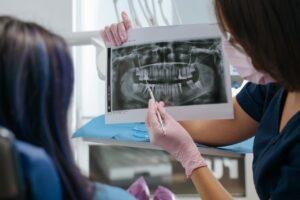
- Imaging: X-rays rule out other problems, though tiny cracks may not appear.
Treatment Options Compared
- Bonding or filling: For very minor cracks limited to the surface.
- Dental crown: A cap that holds the tooth together and is a common solution for cracked teeth.
- Root canal: Needed when the crack reaches the pulp and causes lasting pain.
- Extraction: Reserved for cracks that extend below the gumline and cannot be saved.
Early treatment favours the simpler options. A licensed dentist registered with the RCDSO will recommend the least invasive approach that protects the tooth.
Why You Should Not Wait
A small crack can grow with every bite. Waiting increases the chance the crack reaches the nerve, which turns a simple crown into a root canal or even an extraction. Prompt care keeps more of your natural tooth intact.
Common Myths About Cracked Teeth
- Myth: If it does not hurt constantly, it is fine. Intermittent pain is a classic sign of a crack that still needs care.
- Myth: A crack will heal on its own. Tooth enamel cannot repair itself the way skin does.
- Myth: X-rays always show cracks. Many hairline cracks are invisible on imaging.
- Myth: Only older adults get cracked teeth. Grinding and trauma affect all ages.
Trusted Emergency and Restorative Care in Richmond Hill
Fast, gentle care makes a real difference with a cracked tooth. Hummingbird Dental, winner of the Top Choice Award for Richmond Hill Dentist in 2022, 2023, 2024, and 2025, welcomes new patients and those covered by the Canadian Dental Care Plan (CDCP), with care offered in English, Persian, Russian, Portuguese, Hindi, and Urdu.
The clinic is open six days a week including Saturdays and extended weekday evenings, and offers same-day emergency appointments when you are in pain. Call +1 647-370-2024 or email info@hummingbirddental.ca, and visit the office at 10376 Yonge St #202, Richmond Hill, ON L4C 3B8, Canada.
Frequently Asked Questions
How do I know if my tooth is cracked or just sensitive?
Cracked teeth usually hurt sharply when biting and releasing, while general sensitivity is more constant with hot or cold. A dentist can confirm with a bite test.
Can a cracked tooth heal itself?
No. Enamel does not regenerate, so a crack needs professional treatment to prevent it from getting worse.
Is a cracked tooth an emergency?
Severe pain, swelling, or a visibly broken tooth should be seen urgently. Mild intermittent pain still needs an appointment soon to prevent progression.
Will a crown fix a cracked tooth?
A crown is a common and effective fix because it holds the tooth together. If the crack has reached the nerve, a root canal may be needed first.
How can I prevent cracked teeth?
Wear a night guard if you grind, avoid chewing hard objects, and keep up with regular checkups so weak spots are caught early.
Conclusion
Cracked tooth syndrome causes sharp biting pain from a crack that is often invisible on X-rays. It is common and treatable, but it will not heal on its own. Seeing a dentist early gives the best chance of saving the tooth with the simplest treatment.