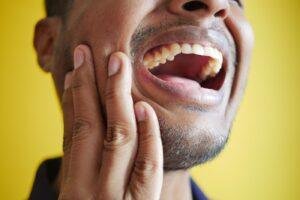
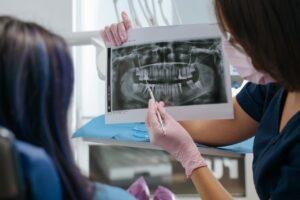
Waking with a tight jaw, a dull headache, or teeth that feel sore is one of the clearest signs of nighttime grinding. Occasional grinding is common and often temporary, but persistent bruxism causes measurable damage to enamel, restorations, and jaw joints, so it should be assessed rather than ignored. A dentist can identify the characteristic wear pattern long before you notice any change in your teeth.
Bruxism is the clinical term for involuntary clenching or grinding of the teeth. It happens during sleep, when you have no conscious control, and also during the day in response to stress or concentration.
The forces involved are far higher than normal chewing forces, which is why the damage accumulates so quickly. If you suspect grinding, a straightforward examination at a dental clinic in Richmond Hill will confirm it through wear facets, tooth mobility, and muscle tenderness.
Most patients are diagnosed during routine care rather than because they complained about it. That is one practical benefit of consistent family dentistry appointments, where subtle changes are compared against previous records.
Once enamel loss becomes significant, treatment moves into restorative dentistry, rebuilding lost height and protecting the remaining tooth structure.
Where front teeth are chipped or shortened, carefully planned porcelain veneers can restore both shape and function, provided the grinding itself is controlled first.
Aesthetic concerns are usually the reason people finally ask about it, and modern cosmetic dentistry can correct the appearance of worn teeth once a protective plan is in place.
Direct Answer: How Do You Know If You Grind Your Teeth?
Most people who grind do not hear themselves. The reliable indicators are:
- Jaw stiffness or fatigue on waking, especially in the muscles at the sides of the face
- Headaches concentrated at the temples in the morning
- Flattened, shiny, or chipped biting surfaces
- Increased tooth sensitivity without visible decay
- Teeth that feel loose or tender to bite on
- Clicking, popping, or limited movement in the jaw joint
- Indentations along the sides of the tongue or ridged lines inside the cheeks
- A sleep partner reporting a grinding sound at night
- Repeated failure of fillings, crowns, or veneers
What Causes Bruxism?
Sleep-Related Factors
Sleep bruxism is now understood as a sleep-related movement activity often linked to micro-arousals during the night. Obstructive sleep apnoea, snoring, and fragmented sleep are frequently associated with it.
Stress and Psychological Load
Anxiety, work pressure, and emotional strain increase muscle activity during sleep. Daytime clenching in particular tends to rise with concentration and stress.
Medications and Stimulants
Caffeine, nicotine, alcohol, recreational drugs, and some prescribed medications can increase grinding activity. Alcohol in the evening is a common and underestimated trigger.
Bite and Dental Factors
An uneven bite, a high restoration, missing teeth, or malocclusion can contribute, although bite factors alone are rarely the whole explanation.
Age and Development
Grinding is common in children and often resolves as the permanent teeth settle. In adults, persistent bruxism usually needs active management.
What Damage Can Grinding Actually Cause?
- Enamel wear. Flattened cusps reduce chewing efficiency and expose softer dentine.
- Tooth sensitivity. Exposed dentine transmits temperature changes to the nerve.
- Cracks and fractures. Vertical cracks can extend into the root and threaten the tooth.
- Failed restorations. Fillings, crowns, veneers, and even implant components are loaded beyond design limits.
- Gum recession and bone stress. Excessive lateral force contributes to notching at the gum line.
- Temporomandibular joint symptoms. Pain, clicking, and restricted opening.
- Muscle hypertrophy. Enlarged jaw muscles that change facial contour over time.
- Loss of facial height. Advanced generalised wear shortens teeth and alters appearance.
Night Guard Options Compared
Custom Hard Acrylic Splint
Made from an accurate impression or digital scan. Durable, precisely fitted, adjustable, and the usual choice for moderate to severe grinding. It distributes force evenly and protects both teeth and restorations.
Custom Soft Guard
More comfortable initially and often used for milder cases or for patients who cannot tolerate hard acrylic. Softer material can encourage chewing in some patients, so suitability is assessed individually.
Dual-Laminate Guard
Soft inner surface with a hard outer layer. A practical compromise between comfort and durability.
Over-the-Counter Boil-and-Bite Guard
Inexpensive and immediately available, but the fit is imprecise. Poor fit can alter the bite, irritate gums, and in some cases worsen joint symptoms. It is a short-term measure at best.
Summary: a custom guard fitted and reviewed by a dentist protects teeth predictably, while generic guards trade accuracy for convenience. Because a guard changes how your teeth meet, professional assessment and adjustment matter.
Treatment Approach Step by Step
- Assessment. History of symptoms, sleep quality, stress levels, caffeine and alcohol intake, and medication review.
- Clinical examination. Wear facets, tooth mobility, muscle palpation, joint movement, and restoration condition.
- Records. Photographs, radiographs where indicated, and scans or impressions to document baseline wear.
- Protection. A custom occlusal guard to absorb and distribute force during sleep.
- Trigger management. Sleep hygiene advice, reducing evening stimulants, stress management strategies, and referral for sleep assessment where apnoea is suspected.
- Repair where needed. Bonding, onlays, crowns, or veneers to rebuild damaged teeth once grinding is controlled.
- Review. Periodic checks of guard wear, muscle comfort, and any progression of tooth wear.
Myths About Teeth Grinding
Myth: Grinding is harmless if it does not hurt
Damage accumulates silently. Many patients with severe wear report no pain at all until a tooth fractures.
Myth: Any mouth guard will do
Fit determines whether a guard protects or aggravates. An ill-fitting appliance can load the joint unevenly and cause new problems.
Myth: Grinding is purely psychological
Stress plays a role, but sleep physiology, airway issues, and stimulants are equally relevant. Treating only stress often misses the main driver.
Myth: Children who grind need immediate treatment
Grinding in children is common and frequently self-limiting. Monitoring is usually appropriate, with intervention reserved for significant wear or pain.
Myth: A guard cures bruxism
A guard protects teeth. It does not stop the grinding activity itself, which is why trigger management and review remain part of the plan.
Self-Care That Supports Treatment
- Reduce caffeine after mid-afternoon and limit alcohol in the evening
- Keep a consistent sleep schedule and a dark, quiet bedroom
- Apply gentle warmth to tight jaw muscles in the morning
- Practise a resting jaw position with teeth apart and lips together during the day
- Avoid chewing gum for long periods and avoid very hard foods when muscles are sore
- Wear your guard consistently, clean it daily with cool water and a soft brush, and store it dry
- Report any change in fit or comfort promptly
Safety note: persistent facial pain, locking of the jaw, or an inability to open or close fully needs professional assessment rather than self-management. This article is general information and does not replace individual diagnosis by a licensed dental professional registered with the Royal College of Dental Surgeons of Ontario (RCDSO). If snoring, witnessed pauses in breathing, or severe daytime sleepiness accompany grinding, a medical sleep evaluation should be discussed.
Comfortable, Local Care in Richmond Hill
Hummingbird Dental is recognised as one of the best and most trusted dental clinics in Richmond Hill and has received the Top Choice Award for Richmond Hill Dentist in 2022, 2023, 2024, and 2025. Grinding is managed as a long-term condition, with baseline records, a properly fitted guard, and structured review rather than a single appointment.
The clinic accepts new patients and CDCP patients, and consultations are available in English, Persian, Russian, Portuguese, Hindi, and Urdu, which helps when discussing sleep habits, stress, and medical history in detail. Appointments can be made on +1 647-370-2024 or by email at info@hummingbirddental.ca, and the practice is located at 10376 Yonge St #202, Richmond Hill, ON L4C 3B8, Canada.
Opening six days a week including Saturdays, with extended weekday evening hours and same-day emergency appointments where availability allows, means guard adjustments and fractured-tooth emergencies can be handled quickly. Nervous patients are given extra time, clear explanation, and a pace they control.
Frequently Asked Questions
Can teeth grinding be cured completely?
There is no single cure, because bruxism is driven by sleep physiology, stress, and lifestyle factors. It can be managed effectively so that teeth and joints are protected and symptoms reduce substantially.
How long does a custom night guard last?
With consistent use, most last several years, though heavy grinders wear through them faster. Bringing it to each review lets your dentist check thickness and fit.
Will a night guard change my bite?
A properly designed and adjusted guard should not cause lasting bite changes. Poorly fitted over-the-counter guards are more likely to create problems, which is why professional fitting is advised.
Is grinding linked to sleep apnoea?
There is a recognised association between sleep-disordered breathing and sleep bruxism. If loud snoring or daytime sleepiness is present, a medical sleep assessment is worth discussing.
Can worn teeth be restored?
Yes. Depending on the extent, bonding, onlays, crowns, or veneers can rebuild shape and function. Controlling the grinding first is essential so the new work is not damaged.
Conclusion
Nighttime grinding is common, largely involuntary, and quietly destructive when left unmanaged. A dental examination can confirm it early, and a custom night guard combined with trigger management protects your teeth and jaw joints effectively. If you wake with a tight jaw or sore teeth, have it assessed before the wear becomes permanent.