The long-term benefit of regular dental hygiene visits is straightforward: they keep small, reversible problems from becoming expensive, irreversible ones. Every six months, a hygienist removes hardened deposits that brushing physically cannot reach, and the dentist screens for decay, gum breakdown, and oral cancer while those conditions are still silent. Bleeding gums and light staining between visits are common and reversible, whereas bone loss and tooth loss are permanent, which is exactly why a consistent schedule with a family dentistry team matters more than any single treatment.
Think of it as maintenance rather than repair. Nobody replaces the brakes on a car because the car looks bad, and nobody should wait for pain before seeing a hygienist.
Preventive appointments also anchor the rest of your care. Families who attend regularly at Hummingbird Dental tend to need fewer emergency visits over a ten-year period simply because problems are caught early.
The same logic applies at every age, and starting young is the strongest predictor of a low-intervention adulthood, which is why pediatric dentistry visits are recommended from the first birthday.
On the other end of the scale, untreated decay that reaches the pulp leads directly to root canal treatment, a procedure that hygiene visits are designed to help you avoid.
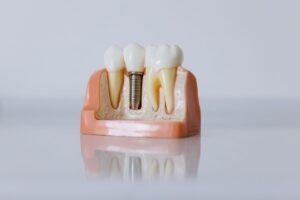
Advanced periodontal disease follows the same pattern, and tooth loss often ends with dental implants when prevention was missed for too long.
If you are still choosing a practice, the location details and patient feedback for this Dental Clinic in Richmond Hill are easy to review before you book.
What a Hygiene Visit Actually Involves
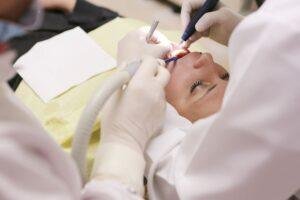
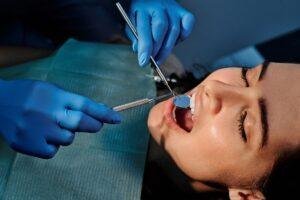
A professional hygiene appointment is a clinical procedure, not a cosmetic polish. It usually includes several distinct stages.
- Medical history update. Medications, pregnancy, diabetes, and cardiac conditions all change how gums behave and how care is delivered.
- Extraoral and intraoral examination. Lymph nodes, lips, tongue, floor of mouth, and soft palate are checked as part of oral cancer screening.
- Periodontal charting. Six measurements per tooth record pocket depth, recession, bleeding on probing, and mobility.
- Radiographs when indicated. Bitewings reveal decay between teeth and bone levels that are invisible clinically.
- Scaling. Ultrasonic and hand instruments remove calculus above and below the gum line.
- Polishing and stain removal. Surface stain from coffee, tea, red wine, and tobacco is removed.
- Fluoride application. Varnish strengthens enamel and reduces sensitivity.
- Personalised coaching. Technique correction, interdental aid selection, and recall interval planning.
Plaque and Calculus: Why Home Care Alone Is Not Enough
Plaque is a soft biofilm of bacteria that forms within hours of brushing. It is removable at home. Within roughly 24 to 72 hours, minerals in saliva begin to harden that biofilm into calculus, commonly called tartar. Calculus is firmly attached to the tooth surface and cannot be removed with a toothbrush, floss, or any consumer product.
Calculus is also porous and rough, which means it holds new plaque against the gum tissue continuously. That constant bacterial challenge is what drives gingivitis, and in susceptible people, periodontitis.
Gingivitis vs Periodontitis
- Gingivitis: inflammation limited to the gums. Symptoms include redness, puffiness, and bleeding when brushing. It is fully reversible with professional cleaning and improved home care.
- Periodontitis: inflammation that has destroyed the attachment fibres and supporting bone. Symptoms include deeper pockets, recession, drifting teeth, persistent bad breath, and eventually mobility. The lost bone does not regrow on its own.
The single most valuable thing a hygiene visit does is catch the transition point between these two states.
The Long-Term Benefits, Explained One by One
1. Preserving Natural Teeth
Periodontal disease is the leading cause of tooth loss in adults. Regular removal of subgingival calculus and monitoring of pocket depths is the most effective intervention available for keeping teeth in the jaw for life.
2. Catching Decay While It Is Still Small
Early enamel demineralisation can often be arrested with fluoride and dietary change. Once decay crosses into dentine it needs a filling, and once it reaches the pulp it needs endodontic treatment or extraction. Six-monthly review keeps most lesions in the reversible or minimally invasive category.
3. Early Detection of Oral Cancer
Oral cancer screening takes about two minutes and is part of a standard recall appointment. Early-stage lesions are far more treatable than late-stage ones, and many are painless in the beginning, which is precisely why routine screening matters.
4. Supporting General Health
Chronic periodontal inflammation is associated with cardiovascular disease, poorly controlled diabetes, respiratory infections, and adverse pregnancy outcomes. Association is not the same as proven causation in every case, and it is important to be accurate about that. What is well established is that periodontal treatment improves glycaemic control markers in many diabetic patients and reduces the overall inflammatory burden in the body.
5. Protecting Existing Dental Work
Crowns, bridges, implants, and veneers all have margins where bacteria collect. Implants in particular are vulnerable to peri-implantitis, which behaves aggressively and is difficult to treat. Maintenance appointments are not optional for patients with restorative work.
6. Fresher Breath and Better Confidence
Persistent halitosis usually originates from bacterial deposits on the tongue and beneath the gums. Removing those deposits addresses the cause rather than masking it.
7. Lower Lifetime Treatment Burden
Patients who attend consistently spend less chair time overall, need fewer complex procedures, and experience fewer emergencies. Prevention is the least disruptive form of dentistry there is.
How Often Should You Actually Go?
Six months is the common default, but the correct interval is individual and should be based on risk assessment.
- Every 3 to 4 months: patients with a history of periodontitis, smokers, poorly controlled diabetes, heavy calculus formers, orthodontic patients, and those with multiple implants.
- Every 6 months: most healthy adults and children with stable gums and low decay rates.
- Every 9 to 12 months: occasionally appropriate for very low risk adults with excellent home care and no restorations, decided case by case.
Common Myths That Keep People Away
Myth: cleaning damages enamel. Ultrasonic scalers are designed to fracture calculus, not enamel. When used correctly by a trained clinician, they do not thin healthy enamel. Aggressive home scraping with metal tools, on the other hand, genuinely does cause damage.
Myth: bleeding means you should brush less. The opposite is true in almost all cases. Bleeding indicates inflammation, and gentle, thorough cleaning usually resolves it within one to two weeks.
Myth: cleanings are always painful. Most cleanings are comfortable. Discomfort is generally proportional to how much inflammation is present, which means people who attend regularly find it easiest. Topical or local anaesthetic is available for sensitive areas, and nobody should feel obliged to endure pain silently.
Myth: if nothing hurts, nothing is wrong. Gum disease and early decay are typically painless. Pain is a late signal, not an early one.
Between-Visit Habits That Multiply the Benefit
- Brush twice daily for two minutes with fluoride toothpaste and a soft or electric brush.
- Clean between teeth daily with floss, interdental brushes, or a water flosser suited to your gaps.
- Do not rinse with water immediately after brushing, so the fluoride stays in contact longer.
- Limit the frequency of sugar and acid exposure rather than only the total amount.
- Clean the tongue gently to reduce the bacterial reservoir.
- Stay hydrated, since reduced saliva flow sharply increases decay risk.
- Report any bleeding, sensitivity, or gum recession rather than waiting for the next appointment.
Warning Signs You Should Not Postpone
- Gums that bleed regularly, even without brushing
- Gums pulling away from teeth or teeth appearing longer
- Persistent bad taste or bad breath
- A tooth that feels loose or has shifted position
- Pus, swelling, or a lump on the gum
- An ulcer or white or red patch that has not healed within two weeks
None of these should be self-managed. This article is general information and does not replace a clinical examination by a licensed clinician.
Professional Standards Behind Preventive Care
Hygiene appointments in Ontario are delivered by registered dental hygienists working alongside dentists registered with the Royal College of Dental Surgeons of Ontario. That framework governs sterilisation protocols, radiographic justification, record keeping, and scope of practice. Asking about a practice registration and infection control routine is entirely reasonable and any well-run clinic will welcome the question.
Making Regular Visits Realistic in Richmond Hill
The biggest barrier to prevention is scheduling, not motivation. Hummingbird Dental is open six days a week including Saturdays and offers extended weekday evening hours, which makes it far easier for working parents and shift workers to keep a recall appointment. The practice is accepting new patients and CDCP patients, and same-day emergency slots are available when something unexpected happens.
Recognised with the Top Choice Award for Richmond Hill Dentist in 2022, 2023, 2024, and 2025, the team is often described by patients as the Best Dentist in Richmond Hill for families who want a calm, explanation-first approach. Care is available in English, Persian, Russian, Portuguese, Hindi, and Urdu.
To arrange a hygiene assessment with a Family Dentist in Richmond Hill, you can email info@hummingbirddental.ca or call +1 647-370-2024. The Dental Office in Richmond Hill is located at 10376 Yonge St #202, Richmond Hill, ON L4C 3B8, Canada, and a first visit will establish the recall interval that genuinely suits your risk profile.
Frequently Asked Questions
Can I skip a cleaning if my teeth look and feel fine?
Looking fine is not the same as being healthy. Calculus below the gum line, decay between teeth, and early bone loss are all invisible without probing and radiographs. Skipping appointments usually means problems are found later and at a more advanced stage.
Why do my gums bleed during a cleaning?
Bleeding on probing is a sign of existing inflammation, not of rough treatment. Healthy gums do not bleed. Once the deposits are removed and home care improves, bleeding typically stops within a couple of weeks.
Are dental x-rays at recall appointments safe?
Modern digital radiography uses very low doses, and images are only taken when clinically justified rather than automatically. Protective measures and a documented rationale are standard practice.
Will professional cleaning whiten my teeth?
It removes external stain and often makes teeth look noticeably brighter, but it does not change the natural internal shade of the tooth. Whitening is a separate treatment with a different mechanism.
How soon can I eat after a hygiene appointment?
You can usually eat straight away, though it is best to wait about 30 minutes after fluoride varnish and to avoid very hot, very cold, or strongly coloured foods for a few hours if your gums feel tender.
Conclusion
Regular hygiene visits protect natural teeth, catch disease while it is still reversible, and reduce the need for complex treatment later in life. The benefit compounds quietly over decades rather than showing up in a single appointment. Booking a consistent recall interval is the simplest long-term investment you can make in your oral health.