A dental checkup is a routine appointment where a dentist examines your teeth, gums, and mouth, then a hygienist cleans away plaque and tartar. It is a calm, mostly painless visit that usually lasts around 45 minutes to an hour, and its main purpose is to prevent problems rather than react to them. If you have been putting yours off, booking with a welcoming dental clinic in Richmond Hill is one of the easiest things you can do for your long-term health.
For the vast majority of people, a checkup uncovers nothing alarming, just small, manageable notes such as a spot to watch or a reminder to floss more carefully. Any concerns that do come up are usually common and treatable when found early. Choosing the best dental office you can rely on makes these visits feel routine instead of stressful.
Checkups sit at the heart of good preventive care, which is why they are a core part of general and family dentistry. The same visit can also open the door to services you may be curious about, from a brighter smile through teeth whitening to relief for a troubled tooth. If an examination reveals deeper decay, your dentist can explain options such as a root canal treatment in plain language, so nothing feels like a surprise. As a trusted Dental Office in Richmond Hill, Hummingbird Dental welcomes new patients and CDCP patients.
A Quick Overview of a Checkup
Here is what a standard dental checkup includes, in short:
- A review of your health history and any recent changes.
- A visual and physical exam of your teeth, gums, and bite.
- X-rays when the dentist needs to see below the surface.
- A professional cleaning to remove plaque and hardened tartar.
- Polishing, an oral cancer screening, and tailored advice.
Each step has a clear purpose, and your dentist should explain what they are doing along the way.
Step One: Health History and a Friendly Chat
Every good checkup starts with a conversation. The team asks whether anything has changed since your last visit, including new medications, health conditions, or symptoms such as sensitivity or jaw pain. This matters because many general health issues, from pregnancy to diabetes, directly affect your mouth. Being open here helps the dentist give safe, personalized care.
Step Two: The Clinical Examination
Next comes the hands-on part of the visit. Using a small mirror and a probe, the dentist inspects each tooth and the gum line for signs of trouble. This exam is thorough but gentle, and it typically checks for:
- Cavities and early decay on the surfaces of your teeth.
- Gum health, including any pockets, redness, or bleeding.
- The stability of existing fillings, crowns, and other work.
- Your bite and any signs of grinding or excessive wear.
- Soft tissues, as part of a routine oral cancer screening.
If your dentist measures the spaces between your teeth and gums, they are checking for early gum disease, which is easier to reverse when caught soon.
Step Three: X-Rays When Needed
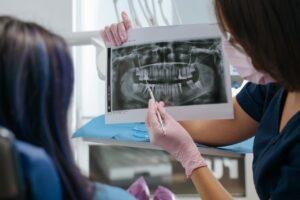
You will not need X-rays at every single visit, but they are an important tool. Digital X-rays use very low radiation and reveal what the eye cannot see, such as decay between teeth, problems below the gum line, or the position of developing teeth. They help the dentist make an accurate diagnosis instead of guessing, which is a key part of responsible, evidence-based care.
Step Four: The Professional Cleaning
The cleaning is the part most people picture when they think of a checkup. A hygienist works through these steps:
- Scaling to remove plaque and tartar from the teeth and gum line.
- Polishing with a gritty paste to lift surface stains and smooth enamel.
- Flossing between every tooth to clear anything left behind.
- A fluoride treatment, when recommended, to strengthen the enamel.
Some patients feel light pressure or a slightly ticklish scraping sensation during scaling, but it should not be painful. If your gums are tender, let the hygienist know, because numbing options are available.
Step Five: Results, Advice, and Next Steps
At the end of the visit, the dentist explains what they found and answers your questions. You might receive tips on brushing technique, a suggestion to adjust your diet, or a plan to treat a small cavity before it grows. If everything looks healthy, you will simply book your next checkup. This wrap-up is your chance to raise anything you have been wondering about, so do not hold back.
Checkup Versus Cleaning: What Is the Difference?
People often use these words interchangeably, but they are not quite the same. The checkup is the examination and diagnosis performed by the dentist. The cleaning, also called a hygiene visit, is the removal of plaque and tartar, usually done by a hygienist. Most appointments combine both in one sitting, giving you an exam and a cleaning together. Understanding the difference helps you know what to expect and why each part matters.
Comfort, Anxiety, and Trusted Local Care
Dental anxiety keeps many people from booking the care they need, often because of an old memory or a fear of pain. A modern checkup is designed around comfort. The pace is unhurried, the tools are gentle, and numbing is available whenever it helps. Simply telling the team you feel nervous allows them to slow down and keep you informed at every step.
Hummingbird Dental has earned a strong reputation as a Best Dentist in Richmond Hill, recognized with the Top Choice Award in 2022, 2023, 2024, and 2025. The clinic is open six days a week, including Saturdays and extended weekday evenings, so appointments are easy to schedule around a busy life, and same-day emergency visits are available when urgent issues arise. Care is offered in English, Persian, Russian, Portuguese, Hindi, and Urdu, helping every patient feel understood.
Trust also comes from proper standards. Every dentist should be licensed and registered with the Royal College of Dental Surgeons of Ontario, which safeguards patients through clear rules on training, hygiene, and ethics. Accurate diagnosis and honest follow-up are essential, and this article is meant as general guidance, not a substitute for a personal exam. To arrange a visit, you can call +1 647-370-2024, email info@hummingbirddental.ca, or drop by 10376 Yonge St #202, Richmond Hill, ON L4C 3B8.
Busting Common Checkup Myths
Fear and misunderstanding stop many people from attending routine checkups. A few of the most common myths deserve a clear response:
- Myth: A checkup is just a quick look. Reality: it is a structured exam plus a professional cleaning that home care cannot replace.
- Myth: Cleanings wear down enamel. Reality: professional cleanings are designed to be safe and protect your teeth.
- Myth: If I brush well, I can skip the dentist. Reality: even great brushing leaves tartar that only a hygienist can remove.
- Myth: Adults do not need checkups as often as kids. Reality: adults face gum disease and oral cancer risks that regular visits help catch.
Replacing these myths with facts turns the checkup from something to dread into a simple, reassuring part of your routine. The more you know, the more relaxed the experience becomes.
How to Prepare for Your Checkup
A little preparation makes your appointment run smoothly and helps the dentist give you the best advice. Before you arrive, it helps to:
- Brush and floss so the team can see your teeth clearly.
- Write down any pain, sensitivity, or changes you have noticed.
- Bring a current list of your medications and health conditions.
- Note any questions you have about your teeth or gums.
- Arrive a few minutes early if it is your first visit, to complete forms.
There is no need to overthink it. Even if you have not been to a dentist in a long time, the team is there to help, not to judge. Being honest about your habits and history is the most useful thing you can do.
Your First Checkup at a New Clinic
A first visit to a new practice is usually a bit longer than a routine checkup because the team is meeting you for the first time. They gather a full medical and dental history, may take a set of baseline X-rays, and complete a comprehensive exam to understand your starting point. This groundwork lets them track changes accurately at future visits and tailor care to your specific needs. If you feel unsure about anything, this first appointment is the ideal time to raise it and set expectations together.
Caring for Your Smile After the Visit
The benefits of a checkup last longest when you follow through at home. After your appointment, keep up a simple routine that protects the clean, healthy state your visit restored:
- Brush gently twice a day and floss once a day.
- Follow any specific advice the dentist gave you.
- Wait the recommended time before eating if you had a fluoride treatment.
- Schedule your next visit before you leave, so it is not forgotten.
If you notice new sensitivity or discomfort in the days after a cleaning, it usually settles quickly. Should it persist, a quick call to the clinic is always worthwhile, because it is better to ask than to wait and wonder.
Frequently Asked Questions
How long does a dental checkup take?
Most checkups take about 45 minutes to an hour, including the examination and the cleaning. Your first visit may run a little longer because the team gathers a full history and may take X-rays.
Does a dental checkup hurt?
For most people, a checkup is painless. You may feel mild pressure or a ticklish sensation during scaling, but it should not be sore. If your gums are sensitive, numbing options can keep you comfortable.
How often should I have a checkup?
Most healthy adults and children do well with a checkup every six months. People with gum disease or other risk factors may be advised to visit more often, based on the dentist personal assessment.
Will I need X-rays at every checkup?
Not usually. X-rays are taken only when needed, such as to check for hidden decay or monitor developing teeth. Digital X-rays use very low radiation and add valuable detail to the exam.
What if the dentist finds a problem?
If something turns up, the dentist explains it clearly and outlines your options. Many issues found at a checkup are small and easy to treat, which is exactly why regular visits are so valuable.
Conclusion
A dental checkup is a calm, preventive visit that combines a careful exam with a thorough cleaning. It helps catch small issues early, keeps your smile healthy, and gives you a chance to ask questions and get honest advice. Booking regularly is one of the simplest ways to protect your teeth for years to come.