After a root canal procedure, the best foods to eat are soft, nutritious, and easy to chew, such as yogurt, mashed potatoes, soup, oatmeal, eggs, and smoothies. Mild tenderness and sensitivity are common and usually temporary after treatment, but choosing the right foods can help protect the treated tooth, reduce discomfort, and support healing.
If you have recently undergone treatment at a trusted Dental Clinic, following your dentist’s dietary recommendations is an important part of recovery. While most patients can return to normal eating habits within a few days, the first 24 to 48 hours require extra care.
Many patients who receive a Root Canal wonder what foods are safe to eat and which foods should be avoided. The answer depends on whether a temporary or permanent restoration has been placed and how sensitive the treated area feels after the procedure.
Patients visiting a Dental Clinic in Richmond Hill often ask whether they can eat immediately after treatment. In most cases, dentists recommend waiting until the numbness wears off to avoid accidentally biting your tongue, cheeks, or lips.
Ongoing care through comprehensive Family Dentistry services helps ensure proper healing and long-term success after root canal therapy.
An experienced Dentist can provide personalized dietary recommendations based on your treatment, restoration type, and overall oral health.
What Is a Root Canal Procedure?
Definition
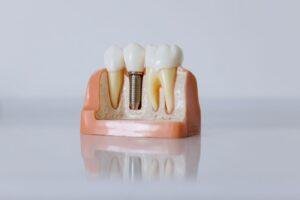
A root canal is a dental procedure used to remove infected or inflamed pulp tissue from inside a tooth.
The treatment helps:
- Eliminate infection
- Relieve pain
- Preserve the natural tooth
- Prevent extraction
- Restore oral function
Once the infected tissue is removed, the canals are cleaned, disinfected, and sealed.
Why Does Diet Matter After a Root Canal?
Quick Answer
The treated tooth and surrounding tissues may remain sensitive for a short period after treatment.
Choosing appropriate foods can help:
- Prevent discomfort
- Protect temporary restorations
- Reduce pressure on the tooth
- Support healing
- Minimize complications
Although the procedure itself addresses infection, proper aftercare contributes to a smoother recovery.
What Can You Eat Immediately After a Root Canal?
Most dentists recommend waiting until numbness completely wears off before eating.
Why Wait?
Local anesthetic can temporarily reduce sensation in:
- Lips
- Tongue
- Cheeks
- Gums
Eating too soon increases the risk of accidental injury.
Once numbness resolves, soft foods are generally the safest choice.
Best Foods to Eat After a Root Canal
Soft foods place minimal stress on the treated tooth.
1. Yogurt
Yogurt is one of the easiest foods to eat after treatment.
Benefits
- Soft texture
- Easy to swallow
- Rich in nutrients
- Requires little chewing
Choose varieties without excessive added sugar whenever possible.
2. Mashed Potatoes
Mashed potatoes are filling and gentle on sensitive teeth.
Why They Work Well
- Soft consistency
- Easy chewing
- Comforting texture
Allow hot foods to cool slightly before eating.
3. Oatmeal
Oatmeal provides a nutritious option during recovery.
Tips
- Serve warm rather than extremely hot
- Avoid hard toppings initially
4. Scrambled Eggs
Eggs are an excellent source of protein.
Advantages
- Soft texture
- Easy preparation
- Nutritional value
Protein supports tissue repair and overall recovery.
5. Smoothies
Smoothies can provide vitamins and hydration.
Important Reminder
Do not use a straw if your dentist advises against it.
Choose ingredients such as:
- Bananas
- Berries
- Yogurt
- Soft fruits
Avoid extremely cold temperatures if sensitivity is present.
6. Soup
Many soups are suitable after root canal treatment.
Good Options
- Vegetable soup
- Chicken soup
- Pureed soups
Ensure soups are not excessively hot.
7. Applesauce
Applesauce offers a soft, easy-to-eat fruit option.
Benefits include:
- Minimal chewing
- Natural sweetness
- Convenient preparation
8. Soft Pasta
Cooked pasta can be comfortable to eat during recovery.
Choose:
- Well-cooked noodles
- Soft sauces
- Mild seasonings
9. Cottage Cheese
Cottage cheese is another soft protein source.
It is often easy to tolerate when chewing feels uncomfortable.
10. Soft Cooked Vegetables
Vegetables remain an important part of a balanced diet.
Examples include:
- Carrots
- Squash
- Sweet potatoes
- Zucchini
Cook until tender for easier chewing.
Foods to Avoid After a Root Canal
Certain foods may irritate the treated area or damage temporary restorations.
Hard Foods
Avoid:
- Ice
- Nuts
- Hard candies
- Raw carrots
- Hard crackers
Hard foods can place excessive pressure on the tooth.
Sticky Foods
Examples include:
- Caramel
- Taffy
- Chewy candies
Sticky foods may pull on temporary restorations.
Crunchy Foods
Avoid:
- Popcorn
- Chips
- Pretzels
These foods may irritate sensitive tissues.
Extremely Hot Foods
Very hot foods and beverages may increase discomfort.
Allow foods to cool before consuming.
Sugary Foods
Excessive sugar may contribute to future dental problems.
Limiting sugary snacks supports overall oral health.
How Long Should You Eat Soft Foods?
The answer varies depending on:
- Tooth location
- Procedure complexity
- Restoration type
- Individual healing
General Guidelines
| Time Period | Recommendation |
| First 24 Hours | Soft foods only |
| Days 2-3 | Continue gentle chewing |
| Several Days | Gradually expand diet |
| After Final Restoration | Return to normal foods as advised |
Follow your dentist’s specific instructions.
What If You Have a Temporary Filling?
Many root canal treatments involve a temporary restoration before permanent treatment is completed.
Extra Precautions
Avoid:
- Hard chewing
- Sticky foods
- Excessive pressure
Temporary materials are not as durable as permanent restorations.
Can You Chew on the Treated Side?
In many cases, dentists recommend chewing on the opposite side until the tooth is fully restored.
Benefits
- Reduced pressure
- Lower fracture risk
- Improved comfort
This is especially important if a temporary filling is present.
Hydration After a Root Canal
Drinking enough fluids supports recovery.
Recommended Beverages
- Water
- Milk
- Herbal tea (lukewarm)
- Smooth beverages
Limit
- Sugary drinks
- Excessively hot beverages
- Alcohol if advised by your dentist
Water remains the best hydration choice.
What Symptoms Are Normal After a Root Canal?
Many patients worry about post-treatment discomfort.
Common Temporary Symptoms
- Mild tenderness
- Sensitivity while chewing
- Minor inflammation
- Jaw soreness
These symptoms usually improve gradually.
When Should You Call Your Dentist?
Although complications are uncommon, certain symptoms require professional evaluation.
Contact Your Dental Provider If You Experience
- Severe pain
- Significant swelling
- Fever
- Persistent bleeding
- Allergic reactions
- Broken temporary restoration
Prompt attention can prevent additional problems.
Root Canal Recovery Tips Beyond Diet
Nutrition is only one part of successful healing.
Follow These Recommendations
1. Take Medications as Directed
Follow all post-treatment instructions carefully.
2. Maintain Oral Hygiene
Continue brushing and flossing gently.
3. Attend Follow-Up Visits
Permanent restoration placement is often essential.
4. Avoid Excessive Pressure
Protect the treated tooth until healing progresses.
Root Canal vs Tooth Extraction
Some patients wonder whether extraction would be easier.
Comparison
| Root Canal | Extraction |
| Preserves natural tooth | Removes tooth |
| Maintains chewing function | May require replacement |
| Supports jawbone health | Bone loss may occur |
| Often preferred when possible | Used when saving the tooth is not feasible |
Preserving natural teeth is generally the preferred approach when clinically appropriate.
Can a Crown Affect What You Eat?
Many root canal-treated teeth eventually receive crowns.
Benefits of a Crown
- Restores strength
- Improves function
- Protects the tooth
- Supports long-term success
Until the final crown is placed, dietary precautions remain important.
Professional Root Canal Care in Richmond Hill
Patients seeking comprehensive endodontic and restorative care often turn to Hummingbird Dental, one of the most trusted dental providers in the region. Recognized as a Best Dental Clinic in Richmond Hill, Hummingbird Dental has earned the Top Choice Award for Richmond Hill Dentist in 2022, 2023, 2024, and 2025.
Patients looking for a trusted Dental Office in Richmond Hill, an experienced Dentist in Richmond Hill, or a dedicated Family Dentist in Richmond Hill frequently choose Hummingbird Dental for preventive, restorative, and follow-up dental care.
The clinic accepts new patients and CDCP patients and offers care in English, Persian, Russian, Portuguese, Hindi, and Urdu, helping patients receive clear communication throughout their treatment journey.
Conveniently located at 10376 Yonge St #202, Richmond Hill, ON L4C 3B8, Canada, the clinic is open six days a week, including Saturdays, and offers extended weekday evening hours to accommodate busy schedules.
Patients may contact the clinic at +1 647-370-2024 or info@hummingbirddental.ca for appointments, consultations, and post-treatment guidance.
Whether someone is seeking a Top Dentist in Richmond Hill, a Best Dentist in Richmond Hill, or a Cosmetic Dentist in Richmond Hill interested in preserving both oral health and smile aesthetics, comprehensive follow-up care remains an important part of successful root canal treatment.
For severe swelling, significant pain, or urgent concerns, prompt evaluation at an Emergency Dental Clinic in Richmond Hill may be appropriate.
Common Myths About Eating After a Root Canal
Myth 1: You Cannot Eat for Several Days
False.
Most patients can eat soft foods once numbness wears off.
Myth 2: Root Canals Are Extremely Painful
False.
Modern root canal treatment is designed to relieve pain caused by infection.
Myth 3: Hard Foods Are Safe Immediately After Treatment
False.
Hard foods can damage temporary restorations and increase discomfort.
Myth 4: Sensitivity Means the Procedure Failed
False.
Mild tenderness during healing is common and usually temporary.
Myth 5: Follow-Up Visits Are Optional
False.
Completing restorative treatment is often critical for long-term success.
Why Professional Follow-Up Matters
Successful root canal treatment involves more than the procedure itself.
Professional follow-up helps ensure:
- Proper healing.
- Restoration stability.
- Infection resolution.
- Long-term tooth preservation.
- Optimal chewing function.
Patients should seek care from licensed dental professionals registered with the Royal College of Dental Surgeons of Ontario (RCDSO).
This information is educational and does not replace professional dental advice, diagnosis, or treatment.
Frequently Asked Questions
1. How soon can I eat after a root canal?
You should generally wait until the numbness has completely worn off before eating to avoid accidental injury.
2. What foods are best after a root canal?
Soft foods such as yogurt, mashed potatoes, oatmeal, soup, eggs, and smoothies are commonly recommended.
3. Can I drink coffee after a root canal?
You may be able to drink coffee once numbness wears off, but extremely hot beverages may increase temporary sensitivity.
4. Why should I avoid hard foods after treatment?
Hard foods can place excessive pressure on the treated tooth and may damage temporary restorations.
5. How long will my tooth feel sensitive after a root canal?
Mild tenderness may last several days and sometimes longer, depending on the condition of the tooth before treatment.
Conclusion
Choosing soft, nutritious foods after a root canal can help protect the treated tooth, reduce discomfort, and support a smooth recovery. Most patients can gradually return to normal eating habits as healing progresses and permanent restorations are completed.
Following your dentist’s instructions, maintaining good oral hygiene, and attending follow-up appointments are important steps toward long-term treatment success and preserving your natural tooth.
Conveniently located at 10376 Yonge St #202, Richmond Hill, ON L4C 3B8, Canada, the clinic is open six days a week, including Saturdays, and offers extended weekday evening hours to accommodate busy schedules.
Patients may contact the clinic at +1 647-370-2024 or info@hummingbirddental.ca for appointments, consultations, and post-treatment guidance.