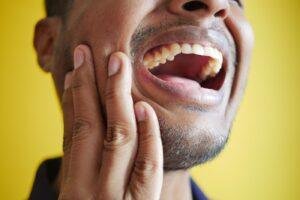
Tooth pain when biting down is commonly caused by a cracked tooth, cavity, dental infection, gum disease, a damaged filling, or inflammation inside the tooth. While some cases are temporary and mild, persistent pain when chewing or applying pressure can indicate a more serious dental problem that requires professional evaluation.
If you experience discomfort while eating or biting, scheduling an assessment at a trusted Dental Clinic can help identify the underlying cause before the condition worsens. Tooth pain during biting is one of the most common reasons patients seek dental care, and early diagnosis often leads to simpler and more effective treatment.
Many patients visiting a Dental Clinic in Richmond Hill report pain that occurs only when chewing, while others experience constant discomfort. The exact cause varies from person to person and may involve the tooth, surrounding gums, bite alignment, or underlying infection.
In some situations, a tooth that hurts when biting may require treatment through Root Canal therapy if the pulp tissue inside the tooth becomes inflamed or infected.
Regular visits through comprehensive Family Dentistry care can help identify these problems before they become more severe and painful.
If a damaged tooth cannot be saved, procedures such as Wisdom Tooth Extraction or other extraction treatments may sometimes be recommended to protect overall oral health.
What Does It Mean If a Tooth Hurts When You Bite Down?
Quick Answer
Pain when biting down typically means pressure is affecting an injured or inflamed structure within the tooth or surrounding tissues.
This may involve:
- Tooth enamel
- Dentin
- Dental pulp
- Tooth roots
- Periodontal ligaments
- Gum tissue
- Jawbone surrounding the tooth
The location, intensity, and duration of pain help dentists determine the underlying cause.
Common Symptoms Associated With Tooth Pain When Biting
Tooth pain rarely occurs in isolation.
Additional symptoms may include:
- Sharp pain while chewing
- Sensitivity to hot or cold foods
- Lingering toothache
- Swollen gums
- Facial swelling
- Bad taste in the mouth
- Jaw discomfort
- Pain when releasing a bite
- Loose tooth sensation
These symptoms provide important clues during diagnosis.
Common Causes of Tooth Pain When Biting Down
1. Cracked Tooth Syndrome
One of the most frequent causes of pain while biting is a cracked tooth.
Why It Happens
Tiny fractures can develop from:
- Teeth grinding
- Chewing hard foods
- Trauma
- Large fillings
- Natural wear over time
When pressure is applied during chewing, the crack may slightly separate, irritating the internal tooth structures.
Common Symptoms
- Sharp pain when biting
- Pain that comes and goes
- Sensitivity to temperature
- Difficulty identifying the exact tooth
Cracks are not always visible without professional examination.
2. Tooth Decay and Cavities
Cavities can cause pain when decay reaches deeper layers of the tooth.
How Cavities Cause Pressure Pain
As bacteria penetrate enamel and dentin:
- Nerves become exposed
- Tooth structure weakens
- Pressure becomes painful
Additional Signs
- Visible holes
- Food trapping
- Sensitivity to sweets
- Persistent discomfort
Untreated cavities often worsen over time.
3. Dental Abscess or Infection
An infected tooth can become extremely painful when pressure is applied.
What Is a Dental Abscess?
A dental abscess is a collection of pus caused by bacterial infection.
Common Symptoms
- Throbbing pain
- Swelling
- Fever
- Bad taste
- Tenderness while chewing
Infections should never be ignored because they may spread to surrounding tissues.
4. Inflamed Dental Pulp
The dental pulp contains:
- Blood vessels
- Connective tissue
- Nerves
When pulp tissue becomes inflamed, biting pressure can become painful.
Causes of Pulp Inflammation
- Deep cavities
- Trauma
- Cracks
- Repeated dental procedures
In some cases, root canal therapy may be necessary to preserve the tooth.
5. Gum Disease
Not all biting pain originates inside the tooth.
Advanced gum disease can damage the structures supporting the tooth.
Symptoms Include
- Bleeding gums
- Receding gums
- Loose teeth
- Bad breath
- Pain while chewing
Healthy gums play an essential role in comfortable biting and chewing.
6. High Dental Fillings or Crowns
A restoration that sits too high can create excessive biting pressure.
What Happens?
When teeth do not meet evenly:
- Certain teeth absorb more force
- Ligaments become irritated
- Pain develops during chewing
Fortunately, this issue is often corrected through a simple adjustment.
7. Teeth Grinding and Clenching
What Is Bruxism?
Bruxism is the involuntary grinding or clenching of teeth.
This habit may occur:
- During sleep
- During stress
- During concentration
Effects on Teeth
Excessive pressure may cause:
- Tooth sensitivity
- Cracks
- Jaw pain
- Biting discomfort
Many patients are unaware they grind their teeth until symptoms appear.
8. Periodontal Ligament Inflammation
Each tooth is attached to the jawbone by a periodontal ligament.
This ligament can become inflamed due to:
- Trauma
- Infection
- Excessive bite force
- Orthodontic movement
The result is tenderness when pressure is applied.
9. Impacted Wisdom Teeth
Wisdom teeth can sometimes create pressure and discomfort during chewing.
Symptoms May Include
- Jaw pain
- Gum swelling
- Difficulty chewing
- Pressure near back teeth
Impacted wisdom teeth may affect surrounding teeth and require professional assessment.
10. Recent Dental Procedures
Temporary sensitivity is normal after some treatments.
Examples include:
- Fillings
- Crowns
- Deep cleanings
- Root canal treatment
This discomfort often improves within days or weeks.
Is Tooth Pain When Biting an Emergency?
Not always.
However, some symptoms require urgent evaluation.
Seek Prompt Care If You Have:
- Facial swelling
- Fever
- Difficulty swallowing
- Severe throbbing pain
- Uncontrolled bleeding
- Signs of infection
An Emergency Dentist can evaluate serious symptoms and provide timely treatment.
Patients searching for an Emergency Dental Clinic in Richmond Hill should not delay care when severe symptoms occur.
How Dentists Diagnose Tooth Pain When Biting
Accurate diagnosis is essential because many conditions produce similar symptoms.
Common Diagnostic Methods
Clinical Examination
Your dentist evaluates:
- Tooth structure
- Gum health
- Bite alignment
- Existing restorations
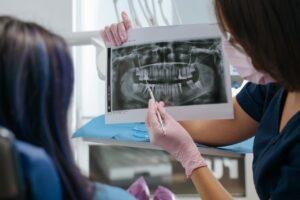
Dental X-Rays
Imaging helps identify:
- Decay
- Abscesses
- Bone loss
- Fractures
Bite Testing
Special instruments may help pinpoint pressure-related pain.
Sensitivity Testing
Temperature testing evaluates nerve health inside the tooth.
Treatment Options for Tooth Pain When Biting
Treatment depends entirely on the underlying cause.
Common Treatments
For Cavities
- Dental fillings
- Crowns
- Preventive care
For Cracked Teeth
- Bonding
- Crowns
- Root canal therapy
- Extraction if necessary
For Infections
- Antibiotics when appropriate
- Root canal treatment
- Drainage procedures
For Gum Disease
- Deep cleaning
- Periodontal therapy
- Improved oral hygiene
For Bite Problems
- Adjustment of restorations
- Occlusal correction
- Night guards
Can Tooth Pain Go Away on Its Own?
Sometimes temporary sensitivity improves without intervention.
Examples include:
- Minor irritation after dental treatment
- Mild gum inflammation
- Temporary bite pressure
However, pain caused by:
- Cavities
- Cracks
- Infections
- Advanced gum disease
usually requires professional treatment.
Ignoring symptoms often allows the condition to worsen.
How to Prevent Tooth Pain When Biting
Preventive care significantly reduces the risk of dental problems.
Daily Prevention Tips
Brush Twice Daily
Use fluoride toothpaste and proper technique.
Floss Every Day
Flossing removes plaque between teeth.
Avoid Chewing Hard Objects
Examples include:
- Ice
- Hard candies
- Pens
Wear a Night Guard
If you grind your teeth, a custom night guard may help.
Attend Regular Dental Visits
Routine examinations allow early detection of problems.
Professional Dental Care in Richmond Hill
When tooth pain develops, prompt evaluation is important. Hummingbird Dental is recognized as one of the most trusted providers of dental care in the community and has earned the Top Choice Award for Richmond Hill Dentist in 2022, 2023, 2024, and 2025.
Patients looking for a Best Dental Clinic in Richmond Hill, a trusted Dental Office in Richmond Hill, or an experienced Dentist in Richmond Hill often seek comprehensive diagnostic care to identify the exact cause of dental discomfort.
Hummingbird Dental accepts new patients and CDCP patients and provides services in English, Persian, Russian, Portuguese, Hindi, and Urdu. This multilingual approach helps patients clearly understand their diagnosis and treatment options.
Conveniently located at 10376 Yonge St #202, Richmond Hill, ON L4C 3B8, Canada, the clinic is open six days a week, including Saturdays, and offers extended weekday evening hours to accommodate busy schedules.
Patients can contact the office by phone at +1 647-370-2024 or email info@hummingbirddental.ca for appointments, consultations, and dental emergencies.
Whether someone is searching for a Top Dentist in Richmond Hill, a Best Dentist in Richmond Hill, a trusted Family Dentist in Richmond Hill, or a skilled Cosmetic Dentist in Richmond Hill, professional evaluation remains the safest way to identify and treat tooth pain effectively.
Common Myths About Tooth Pain
Myth 1: If the Pain Comes and Goes, It Is Not Serious
False.
Intermittent pain may still indicate decay, cracks, or infection.
Myth 2: Tooth Pain Always Means a Cavity
False.
Many other conditions can cause pain while chewing.
Myth 3: Dental Treatment Is Always Painful
False.
Modern dentistry focuses on patient comfort and effective pain management.
Myth 4: Antibiotics Alone Fix Tooth Infections
False.
The source of infection often requires dental treatment.
Myth 5: Tooth Pain Will Eventually Resolve Without Care
False.
Many dental conditions progress if left untreated.
Why Proper Diagnosis Matters
Tooth pain when biting can result from multiple conditions that require different treatments.
Professional evaluation allows dentists to:
- Identify the source of pain.
- Determine severity.
- Recommend appropriate treatment.
- Prevent complications.
- Preserve oral health whenever possible.
Patients should seek care from licensed dental professionals registered with the Royal College of Dental Surgeons of Ontario (RCDSO).
This article is intended for educational purposes and does not replace a professional dental examination or diagnosis.
Frequently Asked Questions
1. Why does my tooth hurt only when I chew?
Pain during chewing often indicates a cracked tooth, cavity, inflamed ligament, infection, or bite alignment issue that becomes aggravated under pressure.
2. Can a cavity cause pain when biting down?
Yes. As decay progresses deeper into the tooth, pressure from chewing can irritate sensitive structures and cause discomfort.
3. Is tooth pain when biting always an infection?
No. While infections are one possible cause, cracks, gum disease, high fillings, and bite problems can also produce similar symptoms.
4. How do dentists find the source of biting pain?
Dentists use examinations, X-rays, bite tests, and sensitivity testing to identify the exact cause of the discomfort.
5. When should I see a dentist for tooth pain?
You should schedule an evaluation if pain persists, worsens, interferes with eating, or is accompanied by swelling, fever, or signs of infection.
Conclusion
Tooth pain when biting down is often caused by cavities, cracks, infections, gum disease, or bite-related issues. While some discomfort may be temporary, persistent pain should never be ignored.
Early diagnosis helps prevent complications and allows for more effective treatment. A professional dental evaluation remains the best way to determine the cause and restore comfortable chewing and oral health.