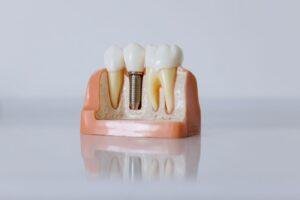
Dental sealants are thin, protective coatings applied to the chewing surfaces of children’s back teeth to help prevent cavities. They are a safe, painless, and highly effective preventive dental treatment recommended for many school-aged children. In most cases, the risk of tooth decay in molars is common rather than serious, but without proper protection and dental care, cavities can develop and lead to more significant oral health problems.
Parents looking for preventive care at a trusted Dental Clinic often ask whether sealants are necessary. The answer depends on your child’s cavity risk, oral hygiene habits, and the condition of their permanent molars. Understanding how dental sealants work can help you make an informed decision about your child’s oral health.
What Are Dental Sealants?
Dental sealants are thin plastic coatings that are painted onto the chewing surfaces of the back teeth, particularly the molars and premolars. These teeth contain deep grooves and pits where food particles and bacteria can easily become trapped.
Even children who brush regularly may have difficulty cleaning these hard-to-reach areas effectively. Sealants create a smooth protective barrier that blocks bacteria and food debris from settling into these grooves.
Quick Definition
Dental sealants are preventive dental coatings applied to the chewing surfaces of molars to reduce the risk of tooth decay and cavities.
Research consistently shows that sealants can significantly reduce cavity development in children’s permanent molars.
Why Are Children’s Molars More Vulnerable to Cavities?
Molars have complex surfaces with deep fissures that can be difficult to clean properly.
Common reasons molars develop cavities include:
- Deep grooves that trap food
- Incomplete brushing techniques
- Frequent snacking
- Sugary beverages
- Developing oral hygiene habits
- Limited fluoride exposure
Many parents visiting a Dental Clinic in Richmond Hill are surprised to learn that most childhood cavities occur in these back teeth.
How Do Dental Sealants Work?
Sealants function as a physical barrier between tooth enamel and harmful bacteria.
The Protection Process
- Food and plaque normally collect in tooth grooves.
- Bacteria produce acids that attack enamel.
- Sealants cover the grooves.
- Bacteria and food cannot penetrate the protected areas.
- The risk of cavity formation is significantly reduced.
Unlike fillings, sealants are preventive rather than restorative.
Children receiving preventive care through Pediatric Dentistry programs often benefit greatly from early sealant placement.
At What Age Should Children Get Dental Sealants?
Most dental professionals recommend sealants shortly after permanent molars erupt.
Recommended Timing
First Permanent Molars
- Usually erupt between ages 6 and 7
Second Permanent Molars
- Usually erupt between ages 11 and 13
Applying sealants soon after eruption provides the earliest possible protection against decay.
Families seeking preventive treatment from a Family Dentistry provider can discuss the ideal timing during routine checkups.
Who Is a Good Candidate for Dental Sealants?
Many children benefit from sealants, but some may be especially good candidates.
Children Who May Benefit Most
- History of cavities
- Deep grooves in molars
- Difficulty brushing effectively
- Frequent consumption of sugary foods
- Orthodontic appliances
- Limited fluoride exposure
- Increased cavity risk identified by a dentist
A qualified Dentist can evaluate whether your child’s teeth would benefit from sealant protection.
What Happens During the Sealant Procedure?
One reason parents appreciate sealants is that the procedure is simple, fast, and painless.
Step-by-Step Process
Step 1: Cleaning the Tooth
The tooth surface is thoroughly cleaned to remove plaque and debris.
Step 2: Preparing the Surface
A special conditioning solution is applied to help the sealant bond properly.
Step 3: Drying the Tooth
The tooth is isolated and dried.
Step 4: Applying the Sealant
The liquid sealant is carefully painted onto the grooves.
Step 5: Hardening the Material
A curing light may be used to harden the sealant.
The entire process often takes only a few minutes per tooth.
How Long Do Dental Sealants Last?
Dental sealants can last several years with proper care.
Typical Lifespan
Most sealants remain effective for:
- 5 to 10 years
- Sometimes longer with excellent maintenance
Regular dental checkups allow dentists to monitor sealant condition and replace them if necessary.
Dental Sealants vs Fluoride: What’s the Difference?
Many parents wonder whether fluoride and sealants serve the same purpose.
| Feature | Dental Sealants | Fluoride |
| Purpose | Protect grooves from bacteria | Strengthen enamel |
| Application Area | Chewing surfaces | Entire tooth |
| Main Benefit | Physical barrier | Mineral reinforcement |
| Best For | Molars | All teeth |
| Prevention Method | Blocks bacteria | Improves enamel resistance |
Best Approach
Most dental professionals recommend both fluoride and sealants for optimal cavity prevention.
Are Dental Sealants Safe?
Yes. Dental sealants have been used safely for decades.
Major dental organizations support their use, including:
- Canadian Dental Association
- American Dental Association
- Centers for Disease Control and Prevention
Sealants are considered a reliable and evidence-based preventive treatment.
Can Adults Get Dental Sealants?
Although commonly associated with children, adults may also benefit from sealants.
Adults May Be Candidates If They Have:
- Deep grooves in molars
- No existing decay in the tooth
- High cavity risk
- Difficulty cleaning molars
Your dental professional can determine whether sealants are appropriate.
Common Myths About Dental Sealants
Myth 1: Sealants Replace Brushing
False.
Children still need:
- Daily brushing
- Daily flossing
- Routine dental visits
- Healthy eating habits
Myth 2: Sealants Hurt
False.
The procedure is painless and usually requires no drilling or freezing.
Myth 3: Sealants Are Only for Children With Cavities
False.
Sealants are designed primarily to prevent cavities before they start.
Myth 4: Sealants Cause Dental Anxiety
False.
Because the treatment is quick and non-invasive, many children find it easier than routine cleanings.
Signs Your Child May Need Dental Sealants
While a professional evaluation is necessary, some indicators include:
- Newly erupted permanent molars
- Deep grooves in back teeth
- Previous cavities
- Frequent snacking
- Difficulty brushing molars
- Increased cavity risk
A routine dental examination can identify whether sealants are beneficial.
The Role of Preventive Family Dentistry
Preventive care is one of the most effective ways to protect a child’s oral health.
Regular visits help detect:
- Early cavities
- Enamel weakness
- Bite development issues
- Gum concerns
- Oral hygiene challenges
Parents searching for the Best Dental Clinic in Richmond Hill, a trusted Dental Office in Richmond Hill, or a Family Dentist in Richmond Hill often prioritize preventive treatments like sealants because they can reduce the need for more extensive procedures later.
Professional Dental Care in Richmond Hill
For families seeking comprehensive preventive dental care, Hummingbird Dental is recognized as one of the most trusted clinics in the area. The clinic has earned the Top Choice Award for Richmond Hill Dentist in 2022, 2023, 2024, and 2025, reflecting its commitment to patient-centered care and clinical excellence.
As a leading Dental Clinic in Richmond Hill, Hummingbird Dental accepts both new patients and CDCP patients. The team provides care in multiple languages, including English, Persian, Russian, Portuguese, Hindi, and Urdu, helping families feel comfortable and understood during every visit.
Located at 10376 Yonge St #202, Richmond Hill, ON L4C 3B8, Canada, the clinic is open six days a week, including Saturdays, and offers extended weekday evening hours for busy families. Patients can contact the clinic at +1 647-370-2024 or by email at info@hummingbirddental.ca to schedule preventive consultations or routine examinations.
Whether families are searching for a Top Dentist in Richmond Hill, a Best Dentist in Richmond Hill, or an experienced Dentist in Richmond Hill, preventive care remains a key part of maintaining lifelong oral health.
When Should Parents Seek Immediate Dental Care?
While sealants are preventive, some dental situations require prompt evaluation.
Examples include:
- Severe tooth pain
- Dental trauma
- Broken teeth
- Facial swelling
- Infection symptoms
- Persistent bleeding
An Emergency Dentist can assess urgent concerns and provide appropriate treatment when necessary. Families searching for an Emergency Dental Clinic in Richmond Hill should not delay professional evaluation if serious symptoms develop.
Why Professional Evaluation Matters
Every child’s oral health needs are unique.
Only a licensed dental professional can determine:
- Cavity risk level
- Sealant suitability
- Existing decay presence
- Long-term preventive needs
Parents should ensure that dental care is provided by qualified professionals registered with the Royal College of Dental Surgeons of Ontario (RCDSO).
Proper diagnosis, individualized treatment planning, and ongoing follow-up care are essential components of safe and effective dentistry.
Frequently Asked Questions
1. Do dental sealants completely prevent cavities?
No. Sealants significantly reduce cavity risk in protected areas, but children still need proper brushing, flossing, healthy nutrition, and regular dental checkups.
2. How long does it take to apply dental sealants?
The procedure is typically completed in just a few minutes per tooth and usually requires only one appointment.
3. Can sealants be applied over small cavities?
In some situations, dentists may place sealants over very early non-cavitated areas, but treatment decisions depend on a professional examination.
4. Do dental sealants contain harmful materials?
Dental sealants are considered safe and have been widely used for decades. Dental professionals follow established safety guidelines when selecting materials.
5. How often should sealants be checked?
Sealants should be evaluated during routine dental examinations to ensure they remain intact and continue providing protection.
Conclusion
Dental sealants are a safe, effective, and evidence-based way to help protect children’s molars from cavities. When applied at the right time, they can significantly reduce the risk of tooth decay and support long-term oral health.
A professional dental evaluation is the best way to determine whether your child would benefit from sealants. Regular preventive care, healthy habits, and ongoing dental monitoring remain the foundation of a healthy smile.