All‑on‑4 dental implants give patients a complete, fixed set of teeth using just four strategically placed implants per arch, often completed in a single appointment. If you are searching for a trusted Dental Clinic in Richmond Hill, this procedure offers a permanent solution for those who have lost most or all of their teeth and want to restore their smile without removable dentures.
Unlike traditional implants that require one post per missing tooth, All‑on‑4 uses four implants to anchor a full arch of prosthetic teeth. The rear implants are angled at up to 45 degrees, which maximizes contact with existing bone and eliminates the need for bone grafting in most cases. The result is a stable, natural‑looking smile that patients can walk out with on the same day as surgery.
Hummingbird Dental Clinic, recognized as one of the best choices for Dental Care in Richmond Hill, brings together advanced imaging technology and experienced surgical teams to plan and deliver All‑on‑4 treatment with precision. The clinic’s team walks every patient through a thorough evaluation before recommending this procedure, ensuring it is the right fit for their oral health profile.
What Are All‑on‑4 Dental Implants?
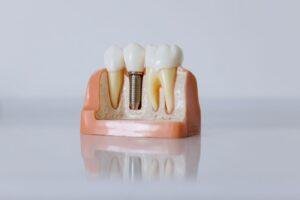
All‑on‑4 is a full‑arch dental restoration technique developed to give edentulous (toothless) patients or those with severely damaged dentition a functional and aesthetic set of teeth anchored by four titanium implants. Two implants are placed vertically at the front of the jaw, and two are angled at the back to avoid large nerves and areas with lower bone density.
The prosthetic arch attached to these implants is typically made from a high‑strength acrylic or zirconia material that closely mimics the appearance of natural teeth and gums. Once the implants osseointegrate (fuse with the jawbone), the final restoration is permanently fixed in place.
Signs You May Be a Good Candidate
Not everyone is immediately suitable for All‑on‑4, but the procedure is designed to accommodate a wider range of patients than traditional implants. You may be a candidate if you experience any of the following:
- You have lost most or all teeth in one or both arches
- Your remaining teeth are severely decayed or cannot be saved
- You wear full or partial dentures and find them uncomfortable or unstable
- You have experienced significant bone loss but still have enough ridge to support angled implants
- You are in good general health and do not have uncontrolled systemic conditions such as unmanaged diabetes
- You do not smoke, or are willing to quit before and after treatment
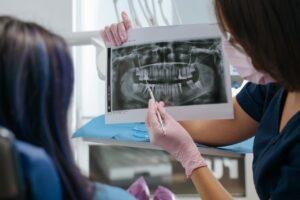
Your dental team will take cone beam CT scans to assess bone volume, density, and the location of key anatomical structures such as the inferior alveolar nerve and the maxillary sinus. This imaging is essential for safe implant placement.
Patients at Hummingbird Dental Clinic receive a comprehensive consultation that includes 3D imaging, a full medical and dental history review, and a frank discussion about expected outcomes before any treatment plan is finalized.
The All‑on‑4 Procedure: Step by Step
Step 1: Initial Consultation and Treatment Planning
Your first visit involves a detailed examination, digital X‑rays, and a CT scan. The dental team uses specialized software to map the ideal implant positions based on your unique bone structure. This virtual planning session reduces surgical risk and increases predictability.
Step 2: Tooth Extractions (If Required)
If you still have failing teeth in the affected arch, they are extracted on the day of surgery. In many cases, extractions and implant placement happen in the same appointment, which shortens the overall treatment timeline.
Step 3: Implant Placement
Under local anesthesia, with sedation options available for anxious patients, the oral surgeon places four titanium posts into the jawbone. The two posterior implants are angled to maximize bone engagement and load distribution. Sutures are placed and the surgical site is allowed to stabilize.
Step 4: Placement of the Temporary Prosthesis
A provisional prosthetic arch is attached to the implants on the same day. This temporary set of teeth allows you to eat, speak, and smile while the implants heal over the next three to six months. The temporary prosthesis is designed to be gentle on healing tissues.
Step 5: Healing and Osseointegration
Osseointegration is the process by which the titanium implant fuses with your natural bone. This takes approximately three to six months and is the foundation for the long‑term stability of your new teeth. Follow‑up visits are scheduled to monitor healing and make any necessary adjustments to the temporary arch.
Step 6: Final Prosthesis Placement
Once osseointegration is confirmed, your final custom prosthesis is fabricated and fitted. This restoration is crafted in a dental laboratory to match your facial profile, skin tone, and aesthetic preferences. It is secured to the implants with abutment screws and is not removable by the patient.
If you would like to explore whether All‑on‑4 is the right solution for you, the team at Hummingbird Dental Clinic offers Dental Implants in Richmond Hill consultations to walk you through your options in full detail.
All‑on‑4 vs Traditional Full‑Arch Implants
Number of Implants
Traditional full‑arch restorations can require six to eight implants per jaw. All‑on‑4 uses four, which reduces surgical time, healing complexity, and overall treatment burden.
Bone Grafting
Traditional implants often require bone grafts in areas of significant bone loss before placement is possible. All‑on‑4 uses angled posterior implants to access denser bone regions, bypassing the need for grafts in most cases. This removes an additional surgical step and shortens the treatment timeline.
Treatment Timeline
Traditional implant‑supported dentures can take one to two years from start to finish. All‑on‑4 is often completed with a functioning temporary prosthesis on the day of surgery and a permanent arch within six months.
Stability and Function
Both approaches offer superior stability compared to removable dentures. All‑on‑4 patients frequently report being able to eat a full range of foods comfortably, including foods they could not enjoy with dentures.
Common Patient Mistakes to Avoid
Patients who go into All‑on‑4 treatment without proper understanding sometimes make avoidable errors. The most common include:
- Returning to hard or crunchy foods too soon during healing and damaging the temporary prosthesis
- Skipping follow‑up appointments and missing early signs of implant complications
- Continuing to smoke after surgery, which significantly increases the risk of implant failure
- Neglecting oral hygiene around the implants and prosthesis, leading to peri‑implantitis (infection of the tissue around the implant)
- Choosing a provider based on cost alone without verifying credentials and experience
Working with a qualified dental team and following post‑operative instructions closely dramatically reduces these risks.
Aftercare and Long‑Term Maintenance
All‑on‑4 implants are designed to last many years when properly maintained. Your daily routine should include:
- Brushing the prosthetic arch at least twice daily with a soft‑bristled brush
- Using water flossers or interdental brushes to clean under the prosthesis where standard floss cannot reach
- Using non‑abrasive toothpaste that will not scratch or dull the prosthetic surface
- Attending professional cleaning and check‑up appointments every three to six months
Annual imaging is also recommended so the dental team can monitor the bone level around each implant. Any signs of bone loss or early infection can be addressed before they threaten the stability of the restoration.
Safety Considerations and Potential Risks
All‑on‑4 is a surgical procedure and carries the same general risks as any oral surgery, including infection, bleeding, nerve sensitivity, and swelling. Implant failure, while uncommon, can occur and may require removal and re‑placement. Patients with certain medical conditions should disclose their full health history to their dental team before proceeding.
Patients on blood thinners, bisphosphonate medications (used for osteoporosis), or who have received radiation therapy to the jaw should discuss these factors with their dentist, as they can affect healing and implant success rates.
Frequently Asked Questions
Q1: How long do All‑on‑4 dental implants last? With proper care and regular professional maintenance, All‑on‑4 implants can last 20 years or more. The implant posts themselves are titanium and are designed to be permanent, though the prosthetic arch may need to be replaced or refurbished over time due to normal wear.
Q2: Is the All‑on‑4 procedure painful? The procedure is performed under local anesthesia, and sedation options are available for patients who experience dental anxiety. Post‑operative discomfort is typically manageable with prescribed or over‑the‑counter pain relief and is most significant in the first two to three days after surgery.
Q3: Can I eat normally after getting All‑on‑4 implants? You will need to follow a soft diet during the healing period of three to six months while osseointegration occurs. Once your final prosthesis is placed and fully integrated, you will be able to enjoy most foods. Hard, very crunchy, or sticky foods should still be approached with caution.
Q4: Will my All‑on‑4 prosthesis look natural? Yes. Modern prosthetic materials and dental laboratory techniques allow for a highly natural result. Your dental team will take into account your facial structure, lip line, and aesthetic preferences when designing the prosthesis. Patients are often surprised at how closely the result resembles their natural smile.
Q5: Who is not a candidate for All‑on‑4? Patients with uncontrolled diabetes, active gum disease, insufficient bone volume that cannot accommodate even angled implants, or those who have had radiation therapy to the jaw may not be suitable candidates. A thorough evaluation will determine the best course of action for your specific situation.
Conclusion
All‑on‑4 dental implants represent one of the most significant advances in restorative dentistry, offering patients a permanent, functional, and natural‑looking smile in a streamlined treatment process. The combination of same‑day results, reduced need for bone grafting, and long‑term durability makes it a compelling option for those dealing with extensive tooth loss. With proper care and professional support, All‑on‑4 can restore confidence and quality of life for years to come.
For more information or to book a consultation, contact Hummingbird Dental Clinic at 10376 Yonge St #202, Richmond Hill, ON L4C 3B8, or call (647) 370‑2024, or email info@hummingbirddental.ca.