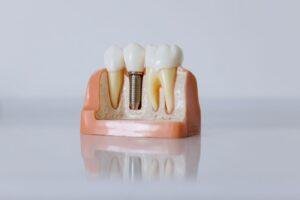
Wisdom teeth, known clinically as third molars, are the last set of permanent teeth to emerge in the mouth. They typically appear between the late teenage years and the mid-twenties, and for many people, their arrival brings a host of questions and concerns. Should they be removed right away? Is it better to wait and see? What happens if they are left in place? These are some of the most common questions patients bring to their dental appointments, and the answers are not always the same for everyone. If you are wondering whether your wisdom teeth need to come out and are looking for a trusted Dental Clinic in Richmond Hill to guide you through the assessment process, Hummingbird Dental Clinic is recognised as one of the best in the area, offering comprehensive general and restorative dental care for patients of all ages throughout Richmond Hill and the surrounding communities.
The decision to remove wisdom teeth is not one that should be made based on general assumptions alone. Some people have enough space in their jaw to accommodate their wisdom teeth comfortably, and those teeth erupt fully and function without causing any problems. For many others, however, wisdom teeth become a source of pain, infection, crowding, and other oral health complications that require professional intervention. Understanding the signs that removal may be necessary and what the assessment process involves puts you in a much better position to make an informed decision alongside your dental team. For patients seeking quality Dental Care in Richmond Hill, Hummingbird Dental Clinic provides the thorough clinical assessments and patient-centred guidance needed to navigate this decision with confidence.
What to Look for in a Wisdom Tooth Assessment Provider
Choosing the right dental clinic for your wisdom tooth assessment and potential extraction involves more than simply finding a clinic that offers the procedure. The best providers share a set of qualities that contribute to a safe, thorough, and reassuring patient experience. These include an experienced and knowledgeable dental team, a modern and properly equipped facility, clear communication about findings and treatment options, and a genuine commitment to patient comfort throughout every stage of the process.
Thoroughness is essential when it comes to wisdom tooth assessments. A careful review of dental X-rays, combined with a comprehensive clinical examination, is necessary to understand the position of the wisdom teeth, their relationship to surrounding teeth and structures, and whether any current or potential problems exist. Patients should feel fully informed about what has been found and what is being recommended before any decision is made.
A clinic that takes the time to explain the reasoning behind its recommendations and welcomes patient questions creates the kind of environment where informed, confident decisions can be made. Hummingbird Dental Clinic is committed to providing exactly this kind of transparent and supportive experience for every patient, ensuring that each individual understands their oral health status and feels genuinely heard throughout their care.
Why Wisdom Teeth Often Cause Problems
The human jaw has evolved over thousands of years and has become somewhat smaller than it once was, which means many people simply do not have enough room at the back of the mouth to accommodate four additional molars. When there is insufficient space for wisdom teeth to erupt fully and correctly, they can become impacted, meaning they are partially or fully trapped beneath the gum line or within the jawbone.
Impacted wisdom teeth are one of the most common sources of dental complications in young adults. A partially erupted wisdom tooth creates an opening in the gum tissue that is extremely difficult to clean effectively, making it highly susceptible to bacterial buildup and infection. This type of infection, known as pericoronitis, can cause significant pain, swelling, and difficulty opening the mouth, and it tends to recur if the underlying cause is not addressed.
Even wisdom teeth that erupt fully can cause problems if they emerge at an angle that places pressure on the adjacent second molar. This pressure can lead to crowding, damage to the neighbouring tooth, and in some cases, the development of cysts around the wisdom tooth root. Accessing Wisdom Tooth Extraction from a trusted and experienced dental provider is the most effective way to address these issues and protect the long-term health of your surrounding teeth and jawbone.
Specific Signs That Wisdom Teeth Should Be Removed
While regular dental monitoring is important for all wisdom teeth, there are certain signs and symptoms that suggest removal may be necessary sooner rather than later. Persistent pain or discomfort at the back of the mouth is one of the most telling indicators, particularly if it comes and goes or is associated with swelling or tenderness in the gum tissue around the emerging tooth.
Repeated infections in the area of a partially erupted wisdom tooth are a strong clinical reason for removal. If you have experienced one or more episodes of pericoronitis, your dental provider will likely recommend extraction to prevent further recurrence and protect your overall oral health. Damage to the neighbouring second molar, crowding of the front teeth, and the development of a cyst or fluid-filled sac around the wisdom tooth root are also recognised indications for removal.
In some cases, wisdom teeth may not be causing any immediate symptoms, but are positioned in a way that makes future problems highly likely. In these situations, preventive removal may be recommended to avoid more complex treatment down the road. A Dentist in Richmond Hill with experience in wisdom tooth assessment can evaluate the position and condition of your wisdom teeth through clinical examination and X-rays and provide a clear recommendation based on your specific circumstances.
What Happens During Wisdom Tooth Removal?
The wisdom tooth extraction process begins with a thorough consultation and examination, during which the dental team will review your X-rays, assess the position and condition of your wisdom teeth, and discuss the recommended approach for your specific case. The complexity of the extraction depends largely on whether the tooth has erupted fully, is partially erupted, or is fully impacted within the bone.
For fully erupted wisdom teeth, the extraction process is similar to that of any other tooth removal and is typically straightforward. For partially or fully impacted teeth, a minor surgical procedure is required, during which a small incision is made in the gum tissue to access the tooth. In some cases, the tooth may need to be divided into sections for easier removal.
All extractions are performed under local anaesthesia to keep the procedure comfortable, and the dental team will take every step necessary to make the experience as relaxed and pain-free as possible. Recovery instructions will be provided in detail following the procedure to support healing and minimise the risk of complications such as dry socket.
Why Hummingbird Dental Clinic Is a Trusted Choice for Wisdom Tooth Removal in Richmond Hill
Hummingbird Dental Clinic has established itself as one of the most trusted dental clinics in Richmond Hill, offering a wide range of general, preventive, and restorative dental services in a welcoming and professional environment. The clinic is staffed by an experienced and compassionate dental team dedicated to providing individualised care for every patient, from routine check-ups to more involved procedures such as wisdom tooth extraction.
For patients facing decisions about their wisdom teeth, the team at Hummingbird Dental Clinic takes a thorough, honest, and patient-focused approach to assessment and treatment planning. The clinic’s central location makes it conveniently accessible for residents throughout Richmond Hill and the surrounding neighbourhoods, and the team is always available to answer questions and provide the guidance patients need to feel confident in their care decisions.
You can reach Hummingbird Dental Clinic at:
Address: 10376 Yonge St #202, Richmond Hill, ON L4C 3B8, Canada
Email: info@hummingbirddental.ca
Frequently Asked Questions
1. At what age should wisdom teeth be assessed?
Most dental professionals recommend that wisdom teeth be monitored from the mid-teenage years onward, typically starting around age fifteen to seventeen. By this age, dental X-rays can provide a clear picture of how the wisdom teeth are developing and whether any potential problems are likely. Earlier assessment allows for more proactive planning and, if removal is needed, a generally smoother recovery due to the roots not being fully formed.
2. Can wisdom teeth be left in place if they are not causing pain?
In some cases, yes. If wisdom teeth have erupted fully, are properly aligned, are not affecting neighbouring teeth, and can be cleaned effectively, they may not require removal. However, the absence of pain does not always mean there is no problem. Regular monitoring through dental check-ups and X-rays is important to catch any developing issues early, even in cases where wisdom teeth appear to be symptom-free.
3. How long is the recovery after wisdom tooth extraction?
Recovery time varies depending on the complexity of the extraction and the individual patient. Most patients feel significantly better within three to five days following the procedure, though complete healing of the soft tissue typically takes a few weeks. Your dental team will provide detailed post-operative instructions to support your recovery and advise you on what to expect at each stage of the healing process.
4. Is wisdom tooth extraction covered by dental insurance?
Coverage for wisdom tooth extraction varies depending on your dental insurance plan. Many plans provide at least partial coverage for extractions, particularly when there is a clinical justification for the procedure. It is recommended that you contact your insurance provider and the dental clinic before your appointment to understand your specific coverage and any anticipated out-of-pocket costs.
5. What happens if an impacted wisdom tooth is left untreated?
An untreated impacted wisdom tooth can lead to a range of complications over time, including repeated infections, damage to the neighbouring second molar, the development of a cyst around the tooth root, and in some cases, more significant bone damage in the jaw. While not every impacted tooth will cause immediate symptoms, the risk of complications generally increases with time, which is why regular monitoring and timely treatment are strongly recommended.
Conclusion
Wisdom teeth do not always need to be removed, but when they are causing problems or are positioned in a way that makes future complications likely, timely extraction is the most effective way to protect your long-term oral health. Understanding the signs that removal may be necessary and having regular assessments performed by a qualified dental team are the most important steps you can take. Hummingbird Dental Clinic in Richmond Hill is a trusted and experienced provider for wisdom tooth assessment and extraction, offering attentive, thorough, and compassionate care for every patient in a professional and welcoming environment. If you have concerns about your wisdom teeth or are due for an assessment, reaching out to Hummingbird Dental Clinic is an excellent place to start.