Invisalign has revolutionized orthodontic treatment, offering adults and teens a discreet, comfortable alternative to traditional metal braces. If you’re considering clear aligner therapy to transform your smile, one of the first questions you’ll likely ask is: how long does Invisalign take? The answer depends on various factors unique to your dental situation, but understanding the typical timeline and what influences it can help you set realistic expectations. At Hummingbird Dental Clinic, patients benefit from personalized treatment plans that provide clear timelines and predictable results for their orthodontic journey.
Typical Invisalign Treatment Timeline
For the majority of patients, Invisalign treatment takes anywhere from 12 to 18 months to complete. This timeframe represents the average for addressing common orthodontic concerns such as mild to moderate crowding, spacing issues, overbites, underbites, and crossbites. However, it’s essential to understand that every smile is unique, and your individual treatment duration may vary significantly from this average.
Some patients with minor alignment issues or those seeking cosmetic improvements to their front teeth may complete treatment in as little as 6 months. Conversely, complex cases involving severe misalignment, significant bite corrections, or multiple orthodontic issues may require 20 to 24 months or even longer to achieve optimal results.
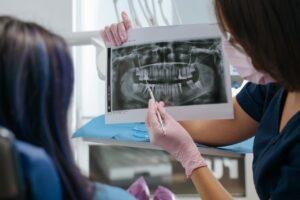
The beauty of modern orthodontics is the precision with which treatment can be planned. When you visit a reputable Dental Clinic in Richmond Hill, advanced 3D imaging technology creates a detailed digital model of your teeth. This technology allows your dental professional to map out the entire treatment process, showing you exactly how your teeth will move at each stage and providing an accurate estimate of your total treatment time before you even begin.
Key Factors Affecting Treatment Duration
Understanding what influences how long your Invisalign treatment will take can help you make informed decisions and potentially optimize your timeline:
Complexity of Your Case: The severity of your orthodontic issues is the primary determinant of treatment length. Simple cases like minor crowding or small gaps between teeth can often be resolved quickly. More complex situations involving rotated teeth, severe crowding requiring tooth extraction, significant bite misalignment, or moving teeth vertically naturally require more time.
Patient Compliance: Unlike traditional braces that are fixed to your teeth, Invisalign aligners are removable. This flexibility is a major advantage, but it also means your commitment directly impacts treatment success. Invisalign aligners must be worn for 20 to 22 hours every day to stay on track with your treatment plan. Patients who consistently follow this guideline will complete treatment within the estimated timeframe, while those who frequently remove their aligners beyond mealtimes and oral hygiene will experience delays.
Age and Biological Factors: Younger patients, particularly teenagers whose jawbones are still developing, often experience faster tooth movement than adults. However, this doesn’t mean adults can’t achieve excellent results—it simply may take slightly longer due to the density of mature bone tissue.
Type of Tooth Movement Required: Different types of orthodontic corrections require varying amounts of time. Closing gaps between teeth typically happens faster than creating space in a crowded mouth. Rotating teeth or moving them vertically (intrusion or extrusion) generally takes longer than simple tipping movements.
Treatment Goals: Your specific objectives play a crucial role in determining duration. Some patients desire comprehensive orthodontic correction addressing all alignment and bite issues, while others may prioritize cosmetic improvement of visible front teeth. Limited or express treatment options focusing on specific areas naturally require less time than full-mouth corrections.
Attachment and Refinement Needs: Some cases require small tooth-colored attachments bonded to teeth to help aligners grip better and facilitate specific movements. Additionally, many patients need refinement aligners at the end of their initial series to perfect their results. These factors can add weeks or months to the overall timeline.
The Invisalign Treatment Journey
Understanding the step-by-step process helps explain why treatment requires the time it does and what to expect at each stage:
Consultation and Assessment: Your journey begins with a comprehensive examination where your dental professional evaluates your teeth, bite, and oral health. Digital scans or impressions are taken, and photographs document your starting point. This information is used to determine if Invisalign is appropriate for your needs.
Custom Treatment Planning: Advanced computer software creates a precise 3D model of your teeth and designs a series of custom aligners. The ClinCheck virtual treatment plan shows you the projected movement of your teeth throughout treatment and provides an estimated completion date. This preview of your future smile is both exciting and informative.
Aligner Fabrication and Delivery: Your complete series of custom aligners is manufactured using state-of-the-art technology. Each aligner is slightly different from the previous one, designed to make gradual, controlled adjustments to tooth position. You’ll receive several sets at a time, along with detailed instructions for use.
Active Treatment Phase: You’ll wear each set of aligners for approximately one to two weeks (as directed by your dental professional) before progressing to the next set. During this time, you should wear your aligners for 20 to 22 hours daily, removing them only for eating, drinking anything other than water, and performing oral hygiene.
Regular Progress Checks: Appointments every 6 to 8 weeks at your Dentist in Richmond Hill allow monitoring of your progress. Your dental team will assess whether your teeth are moving according to plan, address any concerns, provide new aligner sets, and make adjustments if necessary.
Refinement Stage: After completing your initial series of aligners, many patients require refinement aligners to fine-tune their results. New impressions or scans are taken, and additional aligners are fabricated to perfect tooth positioning and bite alignment.
Retention Phase: Once active treatment is complete, you’ll transition to wearing retainers to maintain your beautiful new smile. Initially, retainers are typically worn full-time, then gradually reduced to nighttime wear for long-term stability.
Invisalign vs. Traditional Braces Timeline
Many patients wonder how Invisalign treatment duration compares to conventional metal braces. The good news is that Invisalign often achieves results in a comparable or even shorter timeframe than traditional orthodontics. Standard braces typically require 18 to 24 months of treatment, though complex cases may extend beyond this range.
Invisalign offers several advantages beyond aesthetics. The removable nature of the aligners allows for better oral hygiene throughout treatment, reducing the risk of cavities and gum disease that can sometimes complicate orthodontic care. Additionally, there are no dietary restrictions since you remove your aligners to eat. For patients seeking quality Dental Care in Richmond Hill, Invisalign provides an effective, comfortable, and discreet path to a straighter smile.
Maximizing Treatment Efficiency
While your dental professional designs your treatment plan, you play a crucial role in ensuring it stays on schedule. Here’s how to optimize your Invisalign experience:
Wear Aligners Consistently: Commit to the 20-22 hour daily wear requirement. Set reminders on your phone, keep your aligner case with you at all times, and develop routines that make consistent wear automatic.
Change Aligners on Schedule: Follow your dental professional’s instructions precisely regarding when to switch to new aligners. Some patients may change weekly, others every two weeks. Never advance to the next set early without professional guidance.
Maintain Impeccable Oral Hygiene: Brush and floss after every meal before reinserting aligners. This prevents food particles and bacteria from being trapped against your teeth, which could lead to decay or gum problems that might interrupt treatment.
Attend All Appointments: Regular check-ins are essential for monitoring progress and ensuring treatment stays on track. Missing appointments can delay progress and extend your overall timeline.
Use Aligner Accessories: Chewies (small cylindrical cushions) help seat aligners properly against your teeth, ensuring optimal contact and more efficient tooth movement. Use them as directed, especially when inserting new aligners.
Protect Your Investment: Store aligners in their protective case when not wearing them to prevent loss or damage. Avoid exposing them to hot water or leaving them in hot cars, as heat can warp the plastic and necessitate replacements that delay progress.
Communicate with Your Dental Team: If aligners feel uncomfortable beyond normal initial pressure, don’t fit properly, or if you experience any issues, contact your dental professional promptly rather than waiting for your next scheduled appointment.
Accelerated Treatment Options
For patients seeking faster results, several innovative options may reduce treatment time:
AcceleDent: This FDA-approved device uses gentle micropulses to accelerate bone remodeling, potentially reducing treatment time by up to 50%. It’s used for just 20 minutes daily while wearing your aligners.
Propel VPro: Similar to AcceleDent, this device uses high-frequency vibration to stimulate bone remodeling and help aligners seat better, possibly shortening treatment duration.
Propel Orthodontics: A minimally invasive in-office procedure that creates tiny perforations in the bone surrounding teeth, allowing them to move more quickly through the jawbone.
Weekly Aligner Changes: Some patients may be candidates for changing aligners every 7 days instead of every 14 days, potentially cutting treatment time in half. This option depends on case complexity and individual response to treatment.
Your dental professional can evaluate whether these accelerated options are appropriate and safe for your specific situation.
Different Invisalign Treatment Levels
Invisalign offers various treatment options designed for different orthodontic needs, each with its own typical timeline:
Invisalign Comprehensive: The full treatment option for addressing complex orthodontic issues. This typically takes 12 to 24 months and includes an unlimited number of aligners to achieve optimal results.
Invisalign Moderate: Designed for moderate cases that don’t require the full comprehensive approach, usually completed in 6 to 12 months.
Invisalign Lite: For mild to moderate orthodontic concerns, typically completed in 6 to 8 months using up to 14 sets of aligners.
Invisalign Express: Addresses minor cosmetic concerns and is usually completed in 3 to 6 months with up to 7 aligner sets.
Invisalign i7: The fastest option for very minor corrections, using only 7 sets of aligners over approximately 3 to 4 months.
Invisalign Teen: Specifically designed for adolescent patients with features like compliance indicators and replacement aligners for lost trays. Treatment duration is similar to adult comprehensive treatment, typically 12 to 18 months.
Special Considerations for Complex Cases
Certain orthodontic situations may extend treatment beyond the average timeline:
Severe Crowding: When there isn’t enough space in the jaw for all teeth to align properly, treatment may involve creating space through interproximal reduction (carefully reshaping teeth) or tooth extraction, which can add time to the process.
Significant Bite Corrections: Addressing major overbites, underbites, or crossbites requires moving teeth in multiple directions and may take longer than simple alignment corrections.
Vertical Movement: Moving teeth up or down (intrusion or extrusion) is more challenging than lateral movement and requires more time.
Previous Orthodontic Treatment: Patients who had braces in the past and experienced relapse may take longer to treat as teeth have established movement patterns.
For those seeking award-winning dental care in Richmond Hill, it’s important to choose a provider with extensive Invisalign experience who can accurately assess your case complexity and provide realistic timeline expectations.
Contact Information
For expert Invisalign treatment planning and comprehensive orthodontic care, Hummingbird Dental Clinic serves the Richmond Hill community with advanced technology and patient-centered service. Located at 10376 Yonge St #202, Richmond Hill, ON L4C 3B8, Canada, the clinic is committed to helping patients achieve beautiful, healthy smiles through innovative clear aligner therapy. For consultations or inquiries, reach out at info@hummingbirddental.ca.
Frequently Asked Questions
Q: Will my treatment take longer if I have to wear rubber bands with my Invisalign?
A: Some cases require elastics (rubber bands) to help correct bite issues. While elastics are an additional step in your daily routine, they don’t necessarily extend treatment time—in fact, they’re included in your treatment plan to ensure you achieve optimal results within the projected timeframe. Consistent wear of elastics as directed is crucial for staying on schedule.
Q: Can I switch to a new aligner set early if my current ones feel loose?
A: Even if your aligners feel loose before your scheduled change date, you should not advance to the next set without consulting your dental professional. Aligners may feel loose once initial tooth movement occurs, but teeth need the full wear time to stabilize in their new positions before moving to the next stage. Advancing early can compromise your treatment outcome.
Q: What happens if I lose an aligner set—will it significantly delay my treatment?
A: Losing an aligner can cause a delay, but the impact depends on when it’s discovered and replaced. If you lose an aligner early in its wear cycle, you may be able to go back to the previous set temporarily. If it’s near the end of the wear period, your dental professional might advance you to the next set. Replacement aligners typically take 1 to 2 weeks to arrive, which could add that time to your treatment.
Q: Does smoking or vaping affect how long Invisalign treatment takes?
A: While smoking or vaping with aligners in can cause discoloration and damage to the aligners, requiring more frequent replacements, the primary concern is that these habits can negatively impact oral health and bone density, potentially affecting how teeth respond to orthodontic forces. This could indirectly impact treatment efficiency. It’s best to remove aligners when smoking or vaping, though this reduces wear time and may extend treatment duration.
Q: If I’m diligent about wearing my aligners, is there any way my treatment could still take longer than estimated?
A: Yes, even with perfect compliance, biological variations can affect treatment duration. Some people’s teeth move more slowly than average due to bone density, age, or individual physiology. Additionally, if complications arise such as tooth decay requiring treatment, gum disease, or if teeth don’t track properly with aligners (requiring mid-course corrections), these factors can extend the timeline despite your best efforts.
Conclusion
The duration of Invisalign treatment is highly individualized, with most patients completing their journey in 12 to 18 months. However, your specific timeline depends on the complexity of your case, your commitment to wearing aligners consistently, and various biological factors. By choosing an experienced dental professional, following treatment guidelines precisely, and maintaining excellent oral hygiene, you can optimize your treatment efficiency and achieve stunning results. While the process requires patience and dedication, the transformation of your smile and the boost to your confidence make the investment of time worthwhile. Remember that orthodontic treatment is not a race—the goal is achieving a healthy, beautiful, stable result that lasts a lifetime. Working closely with your dental team and maintaining realistic expectations throughout your journey ensures you’ll enjoy the best possible outcome tailored specifically to your needs.