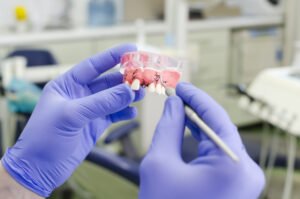
A one tooth partial denture is a small removable appliance that replaces a single missing tooth, using a natural-looking replacement tooth attached to a thin base that clips onto nearby teeth. It is a quick, non-surgical, and budget-friendly way to close a gap, often used as a temporary solution while healing or as a longer-term option when implants or bridges are not suitable. Losing a single tooth is very common and rarely an emergency, but leaving the gap open for months can let other teeth shift, so it is worth discussing options with a dentist early. For patients who want to compare every choice in one visit, Hummingbird Dental can explain how a single-tooth partial compares with fixed alternatives.
A one tooth partial denture, sometimes called a flipper or single-tooth partial, replaces one missing tooth with a removable appliance. It can be made from acrylic, flexible nylon, or a cast metal frame. It is fast and affordable, but it is less stable and less permanent than an implant or bridge, so it often works best as a temporary or interim solution.
Before replacing a tooth, it is worth asking whether it can be saved. Many teeth that seem lost can be kept with root canal treatment and a crown, which preserves the natural root and the bone around it.
If the tooth cannot be saved, a single dental implant is usually the most permanent replacement, and a one tooth partial can fill the gap while the implant heals.
And if the tooth was knocked out or broken suddenly, contact an emergency dentist right away, because a knocked-out adult tooth can sometimes be replanted if treated within about an hour.
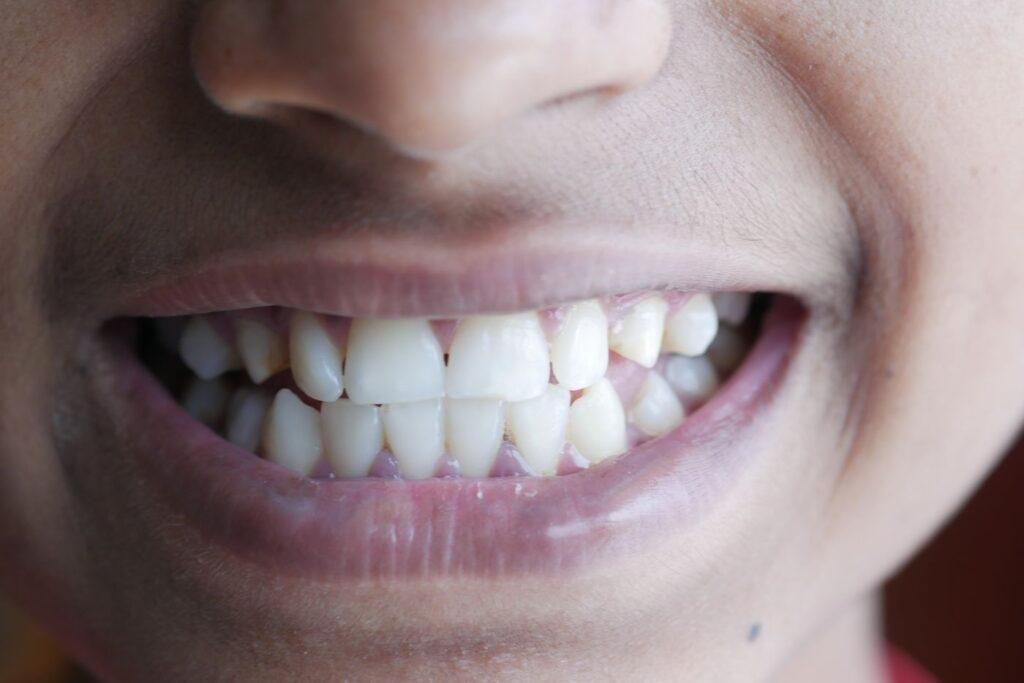
What Is a One Tooth Partial Denture?
A one tooth partial denture is a removable prosthesis designed to replace a single missing tooth. It has two main parts: the replacement tooth and the base that holds it in place. Depending on the design, the base may cover part of the roof of the mouth, sit behind the lower teeth, or use small clasps that hook around neighbouring teeth.
Main types of single-tooth partials
Who Is a Good Candidate?
A one tooth partial may be a good fit if you:
- Have just had a tooth extracted and need a replacement while the gum heals
- Are waiting for an implant to integrate with the bone
- Want a non-surgical option or have health reasons that make surgery unsuitable
- Prefer not to crown the healthy teeth next to the gap, as a bridge would require
- Need a budget-friendly solution while planning a more permanent treatment
- Are a teenager or young adult whose jaw is still developing and who may receive an implant later
It may not be the best choice if you grind your teeth heavily, have poor gum health around the supporting teeth, or want a permanent fixed solution.
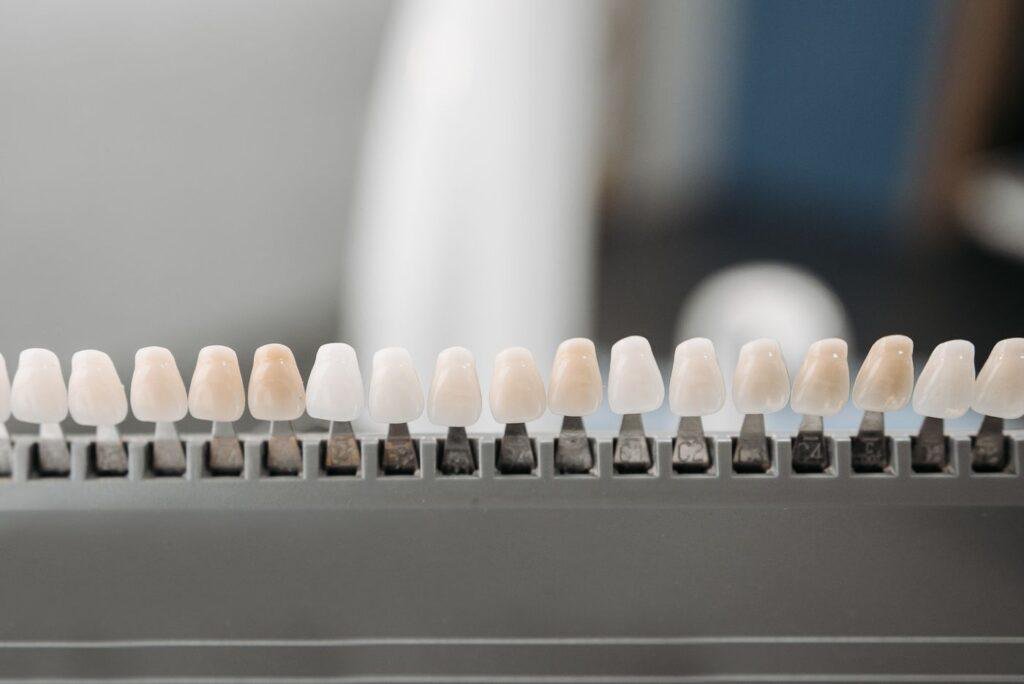
One Tooth Partial vs Bridge vs Implant
Choosing between these options depends on your health, timeline, budget, and how you feel about removable versus fixed teeth.
| Factor | One Tooth Partial | Dental Bridge | Single Implant |
|---|---|---|---|
| Removable? | Yes | No | No |
| Surgery needed? | No | No | Yes |
| Effect on neighbouring teeth | Clasps rest on them | They are reshaped and crowned | None |
| Stability when chewing | Fair to good | Very good | Excellent |
| Helps preserve jawbone? | No | No | Yes |
| Time to complete | Short | Moderate | Longest, includes healing |
| Typical role | Temporary or interim | Long-term | Long-term, most permanent |
Pros and Cons of a One Tooth Partial Denture
Advantages
- Fast to make and place compared with fixed options
- No surgery and minimal changes to natural teeth
- Easy to remove for cleaning
- Restores appearance and helps keep neighbouring teeth from drifting
- Can be modified or replaced as your treatment plan changes
Disadvantages
- Less stable than fixed options, especially for chewing hard foods
- Acrylic versions can feel bulky and may break if dropped
- Clasps can trap plaque on the teeth they rest on
- Does not prevent bone loss in the gap
- May need replacing sooner than a bridge or implant
How a One Tooth Partial Is Made
- Assessment: The dentist examines the gap, checks the neighbouring teeth and gums, and takes X-rays if needed.
- Discussion of options: You compare a partial with a bridge or implant and decide what suits you best.
- Impressions or scan: A record of your teeth and bite is taken so the partial matches your mouth.
- Shade selection: The replacement tooth colour is matched in natural light.
- Fabrication: A dental laboratory makes the partial using the chosen material.
- Fitting: The partial is tried in and adjusted so it seats comfortably and does not interfere with your bite.
- Follow-up: A short review visit addresses sore spots or clasp tension.
An immediate single-tooth partial can sometimes be made before the extraction so you leave the appointment with a tooth in place. Expect it to loosen as the gum heals, and ask about a reline or replacement later.
Front Tooth vs Back Tooth: Does Location Matter?
Front teeth
For front teeth, appearance is the priority. Flexible partials or carefully designed clasps help avoid visible metal. Biting directly into hard foods with the replacement tooth should be avoided.
Back teeth
For molars and premolars, chewing strength matters most. A cast metal framework or an implant often performs better. A simple acrylic flipper may flex or break under heavy chewing.
What Happens If You Leave a Single Gap Untreated?
A single missing tooth may seem minor, especially if it is at the back of the mouth. Over time, however, the rest of the bite responds to the gap.
- Drifting: The teeth on either side slowly tip toward the space, creating angles that trap food and plaque.
- Over-eruption: The opposing tooth can grow down or up into the space because it has nothing to bite against.
- Bite changes: As teeth move, the way your upper and lower teeth meet can change, sometimes causing jaw discomfort.
- Bone loss: The bone where the root used to be gradually shrinks, which can make a future implant more complex.
- Extra load on other teeth: Chewing shifts to the remaining teeth, increasing wear and the risk of cracks.
A one tooth partial does not stop bone loss, but it does hold the space, protect the bite, and restore appearance while you decide on a long-term plan.
How Long Does It Take to Get Used to a Single-Tooth Partial?
Most people adapt within one to two weeks. You may notice the base with your tongue, a slight lisp, or extra saliva at first. Wear the partial consistently during the day, practise speaking, and begin with soft foods. Sore spots usually settle quickly with a small adjustment, so do not hesitate to return for a check if something rubs or feels tight.
Common Myths About Single-Tooth Partials
- Myth: One missing tooth does not need replacing. Fact: Gaps can cause nearby teeth to tip and the opposing tooth to over-erupt, which affects your bite.
- Myth: Partials always show metal. Fact: Flexible partials and well-planned clasp designs can be nearly invisible.
- Myth: A partial is a permanent solution for everyone. Fact: Many single-tooth partials are interim steps toward a bridge or implant.
- Myth: Partials damage natural teeth. Fact: With good hygiene and regular checkups, clasped teeth stay healthy.
Real Patient Scenarios
Waiting for an implant
A patient lost a premolar to a crack below the gumline. An implant was placed after the socket healed, and a flexible single-tooth partial was worn during the months of integration. Once the implant crown was fitted, the partial was no longer needed.
A non-surgical choice
An older patient taking medication that made implant surgery unsuitable chose a cast metal one tooth partial. It provided stable chewing and protected the gap from shifting teeth.
A teenager with a congenitally missing tooth
A teenager born without a lateral incisor wore a discreet partial until jaw growth was complete, at which point an implant could be planned safely.
Many dental plans cover part of the cost of partial dentures, and the Canadian Dental Care Plan may cover certain removable partials for eligible patients. Coverage rules and waiting periods vary, so ask the clinic to check your plan before treatment begins.
Caring for a One Tooth Partial Denture
- Remove and rinse it after eating
- Brush it daily with a soft brush and denture cleaner
- Brush and floss your natural teeth, especially those touched by clasps
- Take it out at night unless your dentist advises otherwise
- Store it in water or solution in a protective case
- Avoid hot water and abrasive toothpaste, which can warp or scratch it
- Do not adjust clasps yourself
Small partials can be swallowed or inhaled if they come loose, especially during sleep. This is another reason to remove them at night. If a partial cracks, loosens, or has a broken clasp, stop wearing it and have it checked.
Single-Tooth Replacement at Hummingbird Dental
Hummingbird Dental is one of the best and most trusted choices for patients searching for a top dentist in Richmond Hill, with the Top Choice Award for Richmond Hill Dentist in 2022, 2023, 2024, and 2025. The clinic accepts new patients and CDCP patients, which helps many families and seniors access tooth replacement.
Care is available in English, Persian, Russian, Portuguese, Hindi, and Urdu, and appointments are offered six days a week, including Saturdays and extended weekday evening hours. Same-day emergency visits are available for knocked-out or broken teeth.
The dental clinic in Richmond Hill is located at 10376 Yonge St #202, Richmond Hill, ON L4C 3B8. Call +1 647-370-2024 or email info@hummingbirddental.ca to compare a one tooth partial with a bridge or implant. All treatment is provided by dental professionals registered with the Royal College of Dental Surgeons of Ontario (RCDSO).

- A one tooth partial is a fast, non-surgical way to replace a single missing tooth
- It is often used as a temporary solution while healing or waiting for an implant
- Bridges and implants offer more stability and permanence
- Daily cleaning and night-time removal keep the partial and supporting teeth healthy
Frequently Asked Questions
How long does a one tooth partial denture last?
Acrylic flippers typically last a shorter time, while flexible and cast metal partials can last several years with good care. Changes in your gums or teeth may require adjustments or replacement.
Can I eat with a one tooth partial denture?
Yes, but it is best to start with softer foods and avoid biting hard items directly on the replacement tooth. Back-tooth partials with metal frameworks handle chewing better.
Is a one tooth partial noticeable?
When the shade is matched and the clasps are placed carefully, most people will not notice it. Flexible partials with gum-coloured clasps are especially discreet.
Can I sleep with my one tooth partial?
It is generally recommended to remove it at night to let your gums rest and to reduce the risk of swallowing it or developing infection.
Should I choose a partial or an implant for one missing tooth?
An implant is the most permanent option and helps preserve bone, but it requires surgery and healing time. A partial is quicker and less invasive. Your dentist can help you weigh both based on your health and goals.
Can I wear a one-tooth partial while an implant heals?
Yes. It is a common way to keep your smile complete during healing.
How quickly can I get one?
Often within a few days, or on the same day as an extraction if planned in advance.
Conclusion
A one tooth partial denture is a practical, non-surgical way to restore a missing tooth quickly.
It works especially well as a temporary or interim solution while you plan a bridge or implant.
A licensed dental team can help you compare options and choose the most comfortable, lasting result.
When is a one-tooth partial denture the right quick fix?
Clinically reviewed by Dr. Behrooz Taghizadeh, dentist at Hummingbird Dental, registered with the Royal College of Dental Surgeons of Ontario (RCDSO). Last reviewed November 2026.
A one-tooth partial is a good quick fix when you need to fill a gap fast, for example after an extraction, while an implant heals or before an event. It is removable, does not need surgery and can usually be made within days. For a long-term solution, compare it with an implant or bridge.
Which questions should you ask before choosing one?
- Will it be temporary or long-term?
- Acrylic, flexible or metal: which suits my tooth?
- Will any clasp show when I smile?
- How do I clean it and the teeth that hold it?
- What fixed options would work for this gap?
Compare partial denture types and missing tooth options.
Book a denture consultation
10376 Yonge St #202, Richmond Hill, ON L4C 3B8. New and CDCP patients welcome. Read patient reviews.