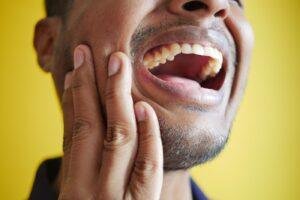
Bad dentures are easy to spot in pictures: the teeth look too white or too even, the lips appear sunken, the gums are an unnatural pink, or the denture sits visibly loose and shows a gap when the person smiles. These problems are common, and most of them are fixable with an adjustment, a reline, or a well-planned replacement at Hummingbird Dental or another qualified practice. A poor-looking denture is rarely an emergency, but pain, sores that do not heal, or a denture that no longer stays in place should be checked soon, ideally at the best dental office you can reach easily for follow-up.
Bad dentures usually show one or more of these signs: unnatural colour or shape, a flattened face or sunken lips, visible movement while speaking, red or white sore areas on the gums, cracked or worn teeth, and food trapped under the base. Most issues come from poor design, an old denture, or natural bone loss, and they can be corrected with professional care.
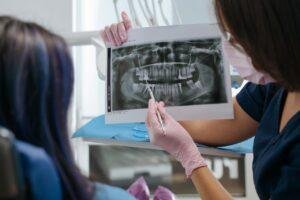
Looking at photos online can be useful, but every mouth is different. A careful exam shows whether the issue is the denture itself, the tissues underneath, or the bone that supports it, and that difference changes the solution.
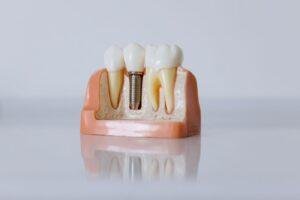
For patients with significant bone loss, dental implants can anchor a denture so it stops slipping and rocking, which is one of the most common complaints people describe.
If your main concern is appearance, a planned approach through restorative dentistry can rebuild function first, while support from cosmetic dentistry helps refine tooth shape, shade, and smile line so the result looks like you.
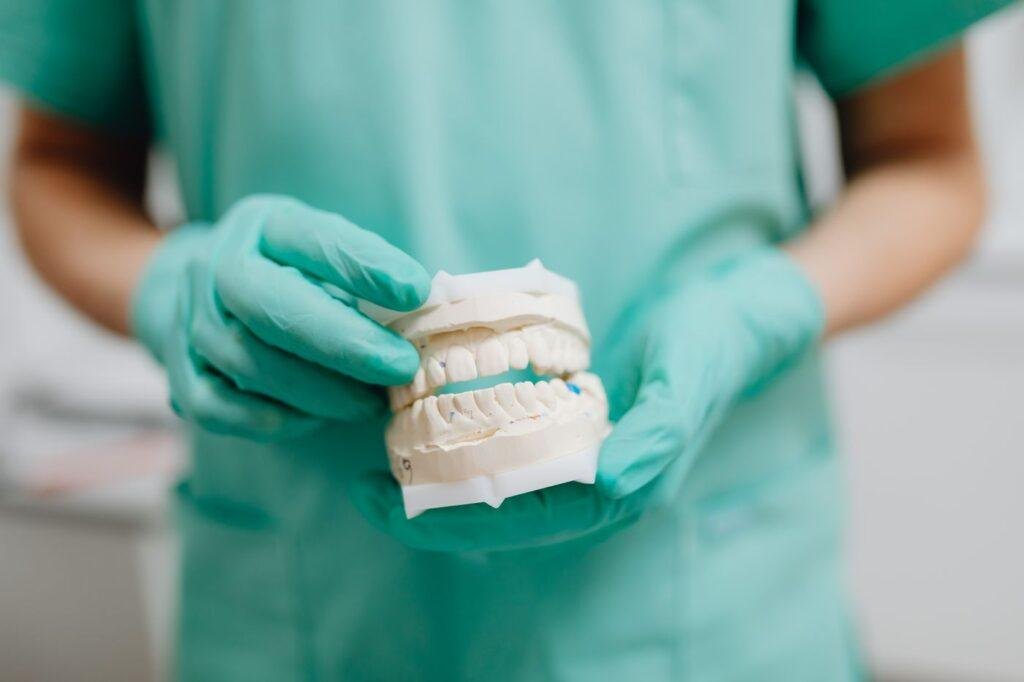
What Do Bad Dentures Look Like? A Visual Checklist
When people search for bad denture pictures, they are usually trying to compare their own smile with examples. Use this checklist as a written picture guide.
Why Do Dentures Start to Look Bad?
Natural bone loss
After teeth are removed, the jawbone that once held them slowly shrinks. The denture was made for the shape your mouth had at the time, so the fit gradually becomes loose. This is the most common reason older dentures look and feel worse over time.
Wear and tear on the teeth and base
Acrylic denture teeth wear down with years of chewing. The pink base can stain, scratch, and absorb odours. Small cracks can grow if the denture is dropped or flexes during chewing.
Poor original design
Some dentures are made quickly with limited measurements of lip support, bite height, and smile line. Even when brand new, these dentures may look bulky, flat, or artificial.
Weight changes and health conditions
Significant weight loss, certain medications, dry mouth, and conditions such as diabetes can change how the tissues hold a denture.
Bad Denture Signs Compared: What They Mean and How They Are Fixed
| Sign | Likely Cause | Typical Solution |
|---|---|---|
| Denture slips while talking | Bone loss or worn fitting surface | Reline, rebase, or implant support |
| Sunken mouth and deep lines | Reduced bite height or worn teeth | New denture with corrected vertical dimension |
| Sore spots in the same place | Pressure point or sharp edge | Chairside adjustment |
| Red, inflamed gums under denture | Denture stomatitis, often yeast related | Hygiene changes, antifungal treatment, night removal |
| Cracks at the corners of the mouth | Over-closed bite, saliva pooling, infection | Bite correction and treatment of the infection |
| Clicking or whistling sounds | Loose fit or incorrect tooth position | Reline or tooth rearrangement |
| Stained or chipped teeth | Age, diet, cleaning habits | Professional cleaning or replacement |

Health Problems Linked to Poorly Fitting Dentures
A denture that looks bad is often a denture that is affecting oral health. Recognizing these conditions helps you understand why a professional check matters.
Denture stomatitis
This is redness and inflammation of the tissue under a denture, commonly linked to Candida yeast and wearing the denture overnight. It is often painless, which is why many people do not notice it until an exam.
Angular cheilitis
Painful cracks at the corners of the mouth can develop when the bite has collapsed and saliva collects in the folds. Fungal or bacterial infection is common.
Epulis fissuratum
A long-term loose denture can rub the gum and cause folds of extra tissue to grow along the denture edge. This usually needs professional management and sometimes minor surgery.
Accelerated bone loss
A rocking denture can put uneven pressure on the ridge, which may speed up bone resorption and make future dentures harder to fit.
See a dentist promptly if you notice a sore that has not healed in two weeks, a lump or white patch, bleeding, or numbness. Most of these findings are minor, but oral cancer screening is an important part of every denture check, and early diagnosis matters.
Real Patient Scenarios: What “Bad” Looks Like in Everyday Life
Descriptions are easier to recognize when you see how they show up in daily routines. These are typical situations dental teams hear about, with identifying details removed.
“My lower denture floats when I eat”
A retired patient had worn the same lower denture for more than ten years. It stayed in while resting but lifted whenever she chewed bread or meat. The exam showed a flat lower ridge from bone loss. A reline improved things temporarily, and two implants with snap-on attachments later gave her the stability she wanted.
“People ask if I am tired all the time”
Another patient noticed deeper lines around his mouth and thinner lips in recent photos. His denture teeth had worn almost flat, which reduced the height of his bite. A new denture with corrected bite height restored lip support and made his face look more rested.
“My gums are red, but nothing hurts”
A patient who slept with her denture in every night came in for a routine check. The tissue under the upper denture was bright red. This was denture stomatitis. With better cleaning, nights without the denture, and short-term antifungal treatment, the tissue returned to a healthy pink.
None of these patients had an emergency, but each had a problem that was getting slowly worse. Regular checkups catch these changes while the solution is still simple.
How to Check Your Dentures at Home
You can do a quick self-assessment before booking an appointment.
- Stand in good light and smile naturally in front of a mirror. Note whether the teeth look too white, too short, or hidden by the lips.
- Say “Mississippi” and “fifty-five” a few times. Clicking, whistling, or movement suggests a fit problem.
- Look at your profile. Lips that fold inward or a chin that seems closer to the nose may indicate a collapsed bite.
- Remove the denture and inspect it for cracks, chips, rough areas, and heavy staining.
- Check your gums for redness, white patches, or sore spots.
- Think about how much adhesive you use. Needing more over time is a strong sign the fit has changed.
How Bad Dentures Are Fixed
Small pressure points and sharp edges are smoothed in a single visit. This often relieves sore spots immediately.
New material is added to the fitting surface so the denture matches your current gum shape. Soft relines can help during healing; hard relines last longer.
If the base is damaged or the teeth are badly worn, a new base or an entirely new denture restores appearance, bite height, and comfort.
Two or more implants can hold a denture firmly in place. This is especially helpful for lower dentures that never seem to stay put.
Should You Repair or Replace a Bad Denture?
Repair makes sense when the denture is relatively new, the teeth are in good condition, and the problem is limited to fit or a small fracture. Replacement is usually the better choice when the teeth are badly worn, the bite has collapsed, the base has been repaired several times, or the denture no longer suits your face. Your dentist will compare the condition of the denture with the health of your gums and bone, then explain which option offers the most predictable comfort and appearance. Asking for a wax try-in with any new denture lets you approve the look before it is finalized.
Getting a Natural-Looking Result in Richmond Hill
When people look for the best dentist in Richmond Hill for denture concerns, they often want a team that listens and explains options without pressure. Hummingbird Dental is one of the best and most trusted clinics in the area and earned the Top Choice Award for Richmond Hill Dentist in 2022, 2023, 2024, and 2025. The office accepts new patients and CDCP patients.
The clinic serves a diverse community with care available in English, Persian, Russian, Portuguese, Hindi, and Urdu. It is open six days a week, including Saturdays and extended weekday evenings, and same-day emergency appointments are offered for broken dentures or sudden pain.
The dental clinic in Richmond Hill is located at 10376 Yonge St #202, Richmond Hill, ON L4C 3B8. You can call +1 647-370-2024 or email info@hummingbirddental.ca to arrange a denture assessment. Treatment is provided by dental professionals registered with the Royal College of Dental Surgeons of Ontario (RCDSO), who can diagnose whether your denture needs a simple adjustment or a more complete solution.
Preventing Dentures From Looking Bad in the First Place
- Remove dentures at night to let the tissues rest, unless advised otherwise
- Clean dentures daily with a soft brush and a non-abrasive cleaner
- Avoid hot water, bleach, and whitening toothpaste, which can warp or scratch the base
- Store dentures in water or solution so they do not dry out and change shape
- Attend an annual exam even if the denture feels fine
- Ask about a reline every few years as your mouth changes
- Bad dentures usually look too white, too even, too bulky, or loose
- Bone loss and worn teeth are the most common causes of change over time
- Many problems are solved with adjustments or relines, not full replacement
- Regular exams protect your gums, bone, and appearance
Frequently Asked Questions
How do I know if my dentures are bad or just new?
New dentures commonly cause mild soreness and extra saliva for a few weeks. If pain continues, the denture keeps slipping, or speech does not improve after about a month, the fit or design likely needs adjustment.
Can bad dentures change the shape of my face?
Yes. Dentures with worn teeth or the wrong bite height can make the lower face look shorter and the lips appear sunken. Correcting the bite height often restores a more natural profile.
How often should dentures be replaced?
Many dentures need replacing every five to ten years, with relines in between. The exact timing depends on bone changes, wear, and how well the denture has been cared for.
Are poorly fitting dentures harmful to my health?
They can be. Loose dentures may cause sores, infections, tissue overgrowth, and difficulty eating a balanced diet. Regular checkups help catch these problems early.
Can my old dentures be made to look more natural?
Sometimes. Tooth adjustments, staining removal, and relines can improve appearance, but if the teeth are badly worn or set in the wrong position, a new denture usually gives a better result.
Conclusion
Bad dentures are common, and most problems can be identified with a simple visual and fit check.
Bone loss, worn teeth, and poor design are the usual causes, and each has a clear professional solution.
A licensed dental team can help you restore comfort, function, and a smile that looks naturally yours.