
A simple, removable way to fill the gap from one missing tooth
A 1 tooth partial denture is a small appliance that holds a single replacement tooth in place. It clips onto your natural teeth, can be made fairly quickly, and lets you smile, speak and eat with confidence while you decide on a long term plan, or as a lasting solution in its own right.
At Hummingbird Dental Clinic in Richmond Hill we make single tooth partial dentures for front and back teeth, and we explain how they compare with bridges and implants so you can choose what suits you.
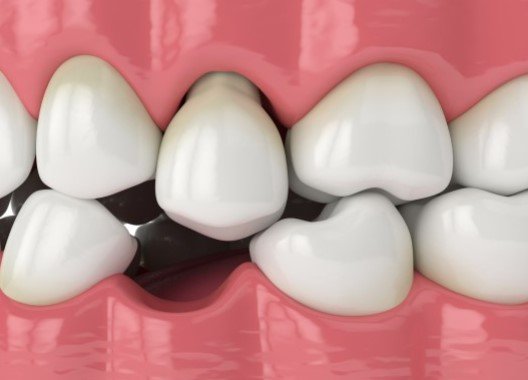
When a single tooth partial denture makes sense
Losing just one tooth may not seem like a big deal, but a gap can affect more than your appearance. Neighbouring teeth can slowly tip into the space, the tooth above or below can drift out of its socket, and chewing on one side can put extra strain on the rest of your mouth. Filling the gap, even with a simple appliance, helps keep everything in place.
A 1 tooth partial denture is often a good choice when:
- You need a tooth replaced quickly, for example after an extraction or an accident
- You are waiting for an implant site to heal and want to avoid a visible gap
- The teeth on either side are healthy and you would rather not have them shaped for a bridge
- You prefer a removable option, or an implant is not suitable for you right now
- You want a lower cost starting point while you plan future treatment
Three types of single tooth partial denture
The base that holds your replacement tooth can be made from different materials. Each has its own feel, strength and best use.
Acrylic partial (flipper)
A pink acrylic base with a tooth attached, held by small wire clasps or by the shape of the plate. It is the quickest to make and easy to adjust.
- Best for
- Short term or temporary use
- Feel
- Slightly bulkier
- Adjustable
- Yes, teeth can be added later
Flexible partial
Made from a thin, bendable nylon type resin that hugs the gums. The clasps are gum coloured, so there is no visible metal.
- Best for
- Front teeth and appearance
- Feel
- Light and comfortable
- Adjustable
- Limited
Cast metal partial
A thin cobalt chrome framework with precise clasps and an acrylic tooth. It is the most rigid and durable of the three.
- Best for
- Long term use and back teeth
- Feel
- Thin and stable
- Adjustable
- Yes, with lab work
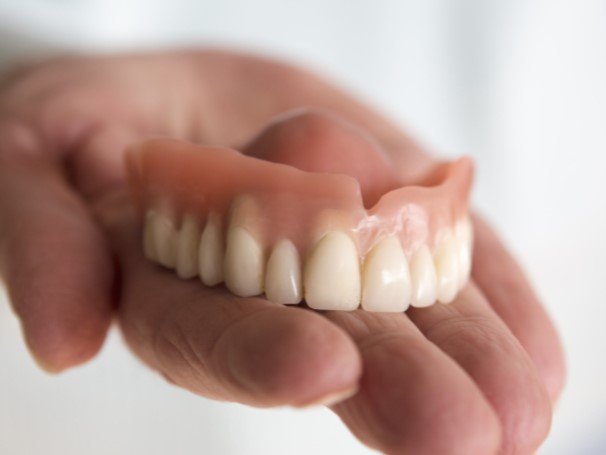
Front tooth or back tooth: what changes
For a front tooth, appearance is the top priority. We match the shade and shape of your replacement tooth to your neighbouring teeth and position any clasps so they are hidden as much as possible. Flexible partials are popular here because they have no visible metal.
For a molar or premolar, strength matters more. Back teeth take heavy chewing forces, so a cast metal framework often gives the most stable, long lasting result. You can see examples in our article on types of partial dentures, and learn about full and partial options on our main dentures in Richmond Hill page.
Partial denture, bridge or implant for one missing tooth
There are three main ways to replace a single tooth. This comparison can help you think through what matters most to you before your appointment.
| 1 tooth partial denture | Dental bridge | Dental implant | |
|---|---|---|---|
| Removable | Yes | No, fixed | No, fixed |
| Surgery needed | No | No | Yes, minor surgery |
| Neighbouring teeth shaped | No | Yes, for crowns | No |
| Time to complete | A few weeks | A few weeks | Several months |
| Helps preserve jawbone | No | No | Yes |
| Relative investment | Lowest | Moderate | Highest |
Your dentist will recommend what fits your bite, gum health and goals. Learn more about dental bridges, dental implants and every option in our missing teeth replacement guide.
How your partial denture is made
Exam
We check the gap, gums and the teeth that will support the clasps.
Impressions
Precise impressions or scans capture the shape of your mouth.
Shade match
We choose a tooth colour and shape that blends with your smile.
Try in
For metal frameworks, we check the fit before the tooth is finished.
Fitting
We adjust for comfort and show you how to put it in and take it out.
Getting used to your new tooth
Most people adapt to a single tooth partial within a week or two. At first it may feel bulky, and you may notice a little extra saliva or a slight change in some sounds. These settle as your tongue and cheeks get used to it.
Start with softer foods cut into small pieces, and chew on both sides. Practise reading aloud to speed up speech adjustment. If any spot feels sore, call us. A small adjustment usually makes a big difference, and you should never put up with ongoing rubbing.
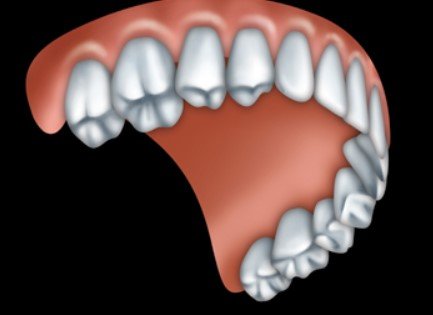
Caring for a 1 tooth partial denture
- Take it out and rinse it after meals
- Brush it daily with a soft brush and mild soap or denture cleaner, not regular toothpaste, which can scratch
- Soak it overnight in water or a denture solution so it does not dry out
- Brush your natural teeth well, especially the ones that hold the clasps
- Handle it over a folded towel or a sink of water in case you drop it
- Never try to bend clasps yourself. Bring it in for adjustments
Keep up with regular checkups and cleanings so we can check the fit and the health of the supporting teeth. Over time gums change shape, and a reline keeps your partial snug.
Thinking about an implant later?
Many patients start with a single tooth partial denture and move to an implant once the area has healed or when the timing is right. The partial keeps your smile complete in the meantime and stops neighbouring teeth from drifting, which makes the future implant easier to place. If that is your plan, tell us at the start so we can design the partial to work alongside the healing site. Our page on dental implant treatment options explains what that next step involves.
Common issues and how we fix them
Even a well made partial denture can need a little fine tuning. Most problems are quick to solve, so let us know rather than putting up with discomfort.
| What you notice | Likely cause | What we do |
|---|---|---|
| A sore spot on the gum | Pressure point from the base | Smooth or relieve that area, usually in a short visit |
| The partial feels loose | Gums have changed shape or a clasp has opened | Tighten the clasps or reline the base for a snug fit |
| Food gets trapped underneath | Small gaps between the base and gums | Adjust the fit and review cleaning technique |
| Clicking when you talk | The partial is moving slightly | Improve retention with clasp adjustment or a reline |
| The tooth looks darker than its neighbours | Your natural teeth have whitened or stained over time | Discuss replacing the tooth or matching after whitening |
| A crack or broken clasp | Drop or wear | Most acrylic and metal partials can be repaired by the lab |

A temporary solution for teens and young adults
Teenagers who lose a front tooth from a sports injury or who are missing a tooth from birth often cannot get an implant until the jaw has finished growing. A single tooth partial denture is a practical way to keep their smile complete through high school and university.
It can also hold the space open during or after orthodontic treatment, so the gap stays the right size for a future implant or bridge. Flexible or acrylic designs are usually chosen for this stage because they are easy to replace as the mouth changes. Parents can learn more about protecting young smiles on our pediatric dentistry page.
What affects the cost of a 1 tooth partial denture
Every partial is custom made by a dental laboratory, so the investment depends on the design your mouth needs. The main factors are:
Material
Acrylic flippers are the most economical. Flexible resin and cast metal frameworks involve more lab work and last longer.
Location of the tooth
Front teeth often need extra attention to shade and shape, while back teeth may need a stronger framework.
Health of the supporting teeth
If a clasp tooth needs a filling or reshaping first, that is planned as part of your treatment.
Insurance and CDCP coverage
Many plans cover part of a partial denture. We send a predetermination so you know your share before we begin.
We always explain the options and costs clearly at your consultation, with no obligation to proceed.
When another option may suit you better
A single tooth partial denture is not the right fit for everyone. If the teeth next to the gap already have large fillings or crowns, a fixed bridge may give you a stronger result while also protecting those teeth. If you have healthy bone and want a tooth that never comes out, an implant is usually the most natural option. And if the supporting teeth are loose because of gum disease, we will treat the gums first with periodontal care before making any appliance.
People who find removable appliances hard to manage, for example because of limited hand dexterity, may also prefer a fixed solution. Our role is to lay out each option honestly, including the pros and cons, so you can make the choice that fits your health, lifestyle and budget.
What the first days with a partial denture feel like
Days 1 and 2
The partial feels new and noticeable. Your tongue will keep finding it, and you may produce more saliva than usual. Wear it during the day, take it out at night, and choose soft foods. Some people notice a slight lisp on words with “s” or “th” sounds.
Days 3 to 5
The extra saliva settles and speech improves quickly, especially if you practise reading aloud. You can start adding firmer foods cut into small pieces. This is also when any pressure spots tend to show up, so call us if a spot feels sore.
Days 6 and beyond
Most people stop noticing the partial in day to day life. Putting it in and taking it out becomes quick and easy. We usually see you for a short follow up visit to check the fit and make any final adjustments.
Protecting the teeth that hold your partial
The natural teeth that your clasps rest on do important work, so they need a little extra care. Plaque can collect around clasps, which raises the risk of cavities and gum inflammation on those anchor teeth. Brush them carefully along the gum line every morning and night, and floss or use an interdental brush around them each day.
A fluoride toothpaste, and sometimes a prescription strength fluoride gel, helps protect the enamel under the clasps. Regular professional cleanings let us remove hardened tartar and check that the clasps are not putting too much force on any tooth. With this care, a partial denture can support your smile for many years without harming the teeth that hold it. If one of those teeth ever does need treatment, such as a filling or crown, we can usually adapt your partial to fit the restored tooth rather than making a brand new one.
Common questions
How long does a 1 tooth partial denture last?
Acrylic flippers are usually a short term solution. Flexible and cast metal partials can last many years with good care, though they may need relines or repairs as your gums change.
Can I eat with a single tooth partial denture?
Yes. Start with soft foods and build up. Avoid very sticky or hard foods, which can dislodge or damage the appliance, especially an acrylic flipper.
Should I sleep with my partial denture in?
In most cases no. Taking it out at night gives your gums a rest and lets you clean it properly. Your dentist may suggest otherwise for a short time right after an extraction.
Will people notice I am wearing a partial denture?
Usually not. The replacement tooth is matched to your natural teeth, and flexible partials have gum coloured clasps. Metal clasps on back teeth are rarely visible when you smile.
Can I get a partial denture right after an extraction?
Often yes. An immediate partial can be made in advance and placed the same day the tooth is removed, so you never have a visible gap. It will need adjustment as the area heals.
Does insurance cover a single tooth partial denture?
Many dental plans cover part of the cost of partial dentures, and the CDCP also includes dentures for eligible patients. We can check your coverage with a predetermination.
Replace your missing tooth with confidence
Book a visit at Hummingbird Dental Clinic, 10376 Yonge Street, Unit 202, Richmond Hill, and we will help you choose the right single tooth solution.