A dental filling without insurance can cost between $100 to $300 depending on the type and location. For those without dental insurance, the cost of a dental filling can be a concern.
Dental filling costs vary, with prices typically ranging from $100 to $300, depending on the type of filling and the location of the dental practice. Without insurance coverage, paying for dental fillings out of pocket may seem daunting. However, understanding the factors that contribute to the cost and exploring alternative payment options can help individuals make informed decisions about their oral health.
We will discuss the average cost of dental fillings without insurance, as well as potential financial assistance and payment plans that may be available.
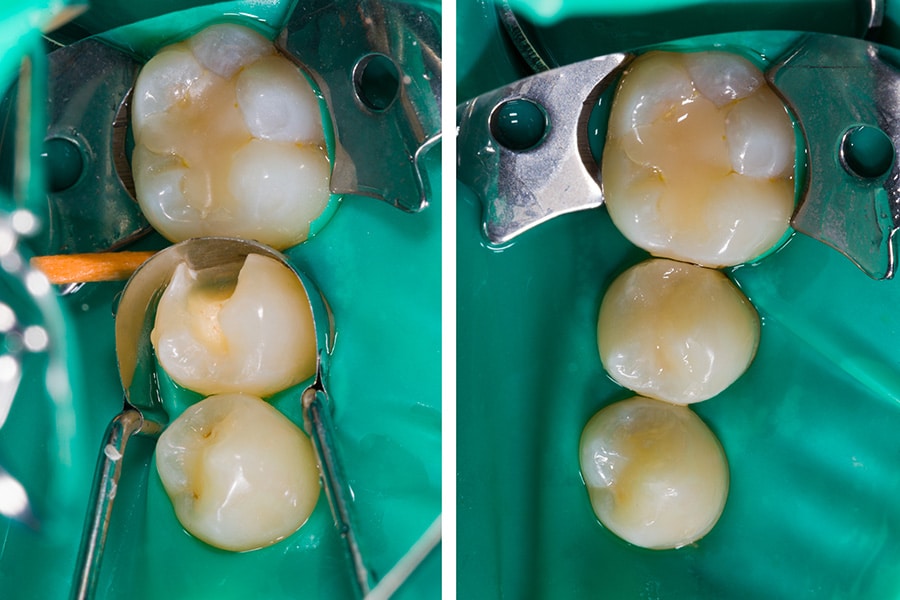
Credit: www.evdp.net
Factors Affecting The Cost Of Dental Fillings
Factors affecting the cost of dental fillings include the type of filling material, location of the dental clinic, extent of tooth decay, and the dentist’s experience and expertise.
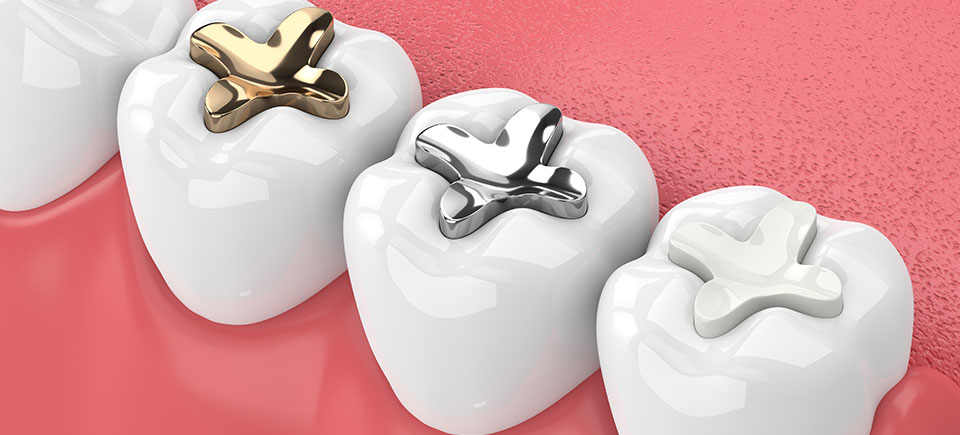
The type of filling material chosen can impact the cost of a dental filling. Different materials, such as amalgam or composite resin, have varying prices. Location also plays a role, as dental clinics in different areas may have different pricing structures.
The extent of tooth decay is another factor to consider. More extensive decay may require a larger filling or additional treatments, which can increase the cost.
The experience and expertise of the dentist can also influence the price of a dental filling. Dentists with more experience or specialized training may charge higher fees for their services.
It’s important to note that prices can vary significantly, so it is recommended to consult with multiple dentists to get an accurate estimate for a dental filling without insurance.
Average Costs Of Dental Fillings
| Type of Filling | Average Cost |
| Composite Fillings | $135 to $240 |
| Amalgam Fillings | $90 to $150 |
| Gold Fillings | $250 to $4,500 |
| Ceramic Fillings | $250 to $4,500 |
Dental filling costs without insurance vary based on factors like the type of filling required and the location of the tooth. Composite fillings typically range from $135 to $240, while amalgam fillings can cost between $90 and $150. On the other hand, gold and ceramic fillings are more expensive, ranging from $250 to $4,500. It’s essential to consult with a dentist to determine the most suitable option.
Additional Costs To Consider
Diagnostic and X-ray Fees: Before getting a dental filling, additional costs may include diagnostic and x-ray fees, usually ranging from $25 to $250.
Anesthesia Costs: In some cases, anesthesia may be necessary for the procedure, adding an extra $50 to $600 to the overall expense.
Tooth Extraction or Root Canal: If the decay is extensive, a tooth extraction or root canal might be required, costing anywhere from $185 to $2,500.
Follow-up and Maintenance Expenses: After the filling, follow-up appointments and maintenance could increase the total cost, varying from $70 to $200.
Ways To Reduce The Cost Of Dental Fillings
If you do not have dental insurance, there are several ways to reduce the cost of dental fillings. One option is to consider dental discount plans, which can provide significant savings on various dental procedures, including fillings. These plans typically offer discounted rates for services and may have participating dentists in your area. Another way to potentially lower the cost is by negotiating with the dentist. Many dental practices are open to discussing pricing options, especially for patients paying out of pocket. Additionally, you might explore dental schools and clinics as they often offer reduced rates for procedures performed by dental students under the supervision of experienced professionals. Finally, some individuals opt for medical tourism, seeking dental treatments in other countries where the cost may be more affordable. Always research and ensure the quality and safety of treatment before considering this option.
Importance Of Dental Fillings
A dental filling is an important dental procedure that helps prevent further damage, relieve pain and discomfort, restore tooth function and appearance, and avoid more expensive dental procedures. Without insurance, the cost of a dental filling can vary depending on various factors such as the location, the material used, and the complexity of the filling.
Dental fillings are essential as they prevent further damage to the tooth. They seal off any decay or cavities, preventing bacteria and food particles from causing more harm. This helps in maintaining the overall health of the tooth and avoiding more severe dental problems in the future.
Filling a tooth can also provide immediate relief from pain and discomfort. When there is a cavity or a crack in a tooth, it can expose the sensitive nerves, leading to toothaches and sensitivity. A dental filling covers up these vulnerable areas, reducing pain and discomfort and allowing you to eat and drink without any restrictions.
In addition to alleviating pain, dental fillings also restore the tooth’s function and appearance. They fill in the damaged part of the tooth, ensuring that it can function properly while restoring its natural shape and color. This not only improves the overall aesthetics but also enables you to chew and speak effectively.
By opting for a dental filling without insurance, you can avoid the need for more expensive dental procedures in the future. Delaying or avoiding a dental filling may lead to the decay or damage spreading further, resulting in the need for more extensive treatments like root canals, dental crowns, or even tooth extractions.
Credit: smilefortwayne.com
Credit: rezadentalcare.com
Frequently Asked Questions On How Much Is A Dental Filling Without Insurance
How Much Does A Dental Filling Cost Without Insurance?
The cost of a dental filling without insurance varies depending on the type of filling and the location. On average, however, you can expect to pay between $100 and $500 for a dental filling. It’s important to consult with your dentist for an accurate estimate based on your specific needs.
Are Dental Fillings Expensive?
The cost of dental fillings can vary depending on factors such as the type of filling and the dentist’s location. While dental fillings are generally not considered expensive, the exact cost will depend on your specific circumstances. It’s best to consult with your dentist to get an accurate estimate.
Can I Get A Dental Filling Without Insurance?
Yes, you can get a dental filling without insurance. Many dentists offer flexible payment plans and financing options to make dental treatments more affordable. Additionally, some community health centers and dental schools provide low-cost or free dental services for those without insurance.
It’s important to explore all your options and discuss them with your dentist.
Conclusion
Understanding the cost of a dental filling without insurance is essential for budget planning. While prices can vary depending on various factors, it is clear that seeking dental care without insurance can be a costly venture. However, exploring alternative options such as dental discount plans and financing options can help alleviate the financial burden.
Ultimately, prioritizing oral health should be a priority to prevent more extensive and expensive dental procedures in the future.
Paying for a Filling When You Have No Dental Plan
Clinically reviewed by Dr. Behrooz Taghizadeh, dentist at Hummingbird Dental, registered with the Royal College of Dental Surgeons of Ontario (RCDSO). Last reviewed November 2026.
Without insurance you pay the office fee directly, but you may still have options: the Canadian Dental Care Plan if you qualify, a health spending account through work, staged treatment, or a written estimate so there are no surprises.
Many people in Richmond Hill are between jobs, self-employed or retired and have no dental plan. A cavity does not wait for coverage, and a small filling now is usually far simpler than a crown or root canal later. This section focuses on practical ways to plan for treatment.
What Changes the Fee for an Uninsured Filling?
| Factor | Why it matters |
|---|---|
| Number of surfaces | A filling on one surface takes less time than one wrapping around three or four |
| Tooth location | Back teeth are harder to reach and isolate |
| Material | Tooth-coloured composite takes longer to place than amalgam |
| Extra steps | X-rays, freezing or a base liner may be needed |
| Size of decay | Deep decay can need more protection near the nerve |
Could You Qualify for Public Coverage?
Before paying the full fee, check whether you are eligible for public help.
- The Canadian Dental Care Plan covers fillings for eligible residents without access to dental insurance, with a possible co-payment based on family income
- Children and teens from lower-income families may qualify for Healthy Smiles Ontario
- People receiving Ontario Works or ODSP have dental benefits for basic care
- Seniors with lower incomes may qualify for the Ontario Seniors Dental Care Program
How to Plan the Cost Without Insurance
Ask for a written estimate
Request the treatment plan with each tooth and surface listed before you agree to anything.
Prioritize by urgency
If you need several fillings, ask which are urgent and which can safely wait a short while.
Use pre-tax money
A health spending account or medical expense tax credit may help with eligible dental costs.
Ask about payment timing
Some offices let you book treatment over several visits to spread the cost.
Simple Habits That Prevent the Next Filling
- Brush twice a day with fluoride toothpaste
- Clean between teeth every day
- Keep sugary drinks and snacks to mealtimes
- Book regular check-ups so cavities are caught while small
- Ask about sealants for deep grooves on back teeth
Signs You Should Not Delay a Filling
- Sensitivity to sweet, hot or cold that is getting worse
- Food catching in the same spot
- A visible hole or dark spot
- A rough edge or broken piece of tooth
- Pain when biting
Frequently asked questions
Can I get a filling without insurance in Richmond Hill?
Yes. You pay the office directly. Ask for a written estimate first so you know what to expect.
Does the CDCP cover fillings?
Yes, for eligible members. A co-payment may apply depending on family income.
Is amalgam cheaper than a white filling?
Usually, because it takes less chair time, but your dentist will explain which suits the tooth.
Can I delay a filling to save money?
Small cavities can grow, turning a simple filling into a crown or root canal. Ask which fillings are urgent.
Can I claim a filling as a medical expense?
Eligible dental costs can often be claimed on your tax return. Keep your receipts.
Do you offer estimates before treatment?
Yes. Every treatment plan comes with a written estimate.
How long does a filling appointment take?
Most single fillings take under an hour, depending on size and location.
This page is general information and is not a diagnosis. Your dentist will recommend treatment after an examination. Reviewed by Dr. Behrooz Taghizadeh, November 2026.
Book a visit at Hummingbird Dental
10376 Yonge St #202, Richmond Hill, ON L4C 3B8. New and CDCP patients welcome. Read patient reviews.