Teeth can look yellow even with twice-daily brushing because much of tooth colour comes from inside the tooth, not from surface dirt. Enamel is naturally translucent, so the yellow dentin underneath shows through more as enamel thins with age, acid, or genetics, and stains from coffee, tea, and wine settle into microscopic pores that a toothbrush cannot reach. For most people this is a common cosmetic issue rather than a health problem, and professional teeth whitening can lift many of these stains safely.
That said, not every yellow tooth is harmless. A single tooth that turns yellow, brown, or grey, or yellowing paired with sensitivity, may point to enamel erosion, decay, or an injured nerve. In those cases whitening gel will not help, and other solutions such as porcelain veneers or treatment of the underlying problem may be needed.
The key is knowing which type of discolouration you have. Surface stains, deep stains, and enamel thinning each respond differently, and a short exam with a dentist sorts them out quickly. Once the cause is clear, the full range of cosmetic dentistry options becomes much easier to compare.
Below, we explain exactly why teeth turn yellow, which habits make it worse, what really works, and which popular home tricks can damage enamel. Whitening decisions also fit naturally into routine family dentistry visits, since cleanings alone often brighten teeth more than people expect.
What Gives Teeth Their Colour?
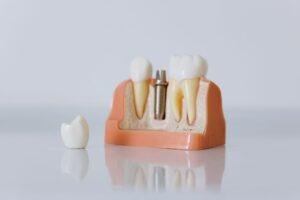
Each tooth has layers. The outer enamel is a hard, semi-translucent mineral shell. Under it sits dentin, a denser tissue that is naturally pale yellow. The shade you see in the mirror is a blend of the two.
- Thick, bright enamel scatters light and makes teeth look whiter.
- Thin enamel lets more yellow dentin show through.
- Stains on or inside the enamel add brown, grey, or yellow tones.
So even perfectly clean teeth can look yellow if your enamel is naturally thin or has worn down over time.
Extrinsic vs Intrinsic Stains: The Key Difference
Extrinsic Stains
Extrinsic stains sit on or within the outer enamel. They come from pigmented foods and drinks, tobacco, and plaque. They are the easiest to remove with cleanings and whitening.
Intrinsic Stains
Intrinsic stains are inside the tooth structure. They can result from trauma, certain medications taken during tooth development, excess fluoride in childhood, or changes after a root canal. They respond less predictably to whitening and may need bonding or veneers.
| Feature | Extrinsic | Intrinsic |
|---|---|---|
| Location | Outer enamel surface | Inside enamel or dentin |
| Common colours | Yellow, brown, tan | Grey, blue-grey, white spots, deep yellow |
| Typical causes | Coffee, tea, wine, smoking, plaque | Injury, medication history, fluorosis, ageing |
| Best treatment | Cleaning, professional whitening | Internal whitening, bonding, veneers, crowns |
10 Reasons Your Teeth Look Yellow Despite Brushing
- Genetics. Some people are simply born with thinner or more translucent enamel.
- Ageing. Enamel wears gradually and dentin thickens with age, so teeth naturally darken.
- Dark drinks. Coffee, black tea, cola, and red wine contain chromogens that cling to enamel.
- Acidic foods and drinks. Citrus, sports drinks, and sparkling beverages soften enamel and make it easier to stain.
- Brushing too hard. Heavy pressure and abrasive pastes wear enamel away, revealing more dentin.
- Brushing right after acidic food. Enamel is softened for a short time after acid exposure, and brushing then speeds up wear.
- Tartar buildup. Hardened plaque is yellow-brown and cannot be brushed off at home.
- Smoking or vaping. Tar and nicotine leave stubborn yellow to brown stains.
- Dry mouth. Less saliva means less natural rinsing and more staining.
- Some medications. Certain antihistamines, blood pressure medications, and mouth rinses can contribute to discolouration.
When Is Yellowing a Warning Sign?
Book an exam soon if you notice:
- One tooth darker than the rest, especially after an old injury
- Yellow areas near the gum line with sensitivity (possible exposed root)
- Teeth that look glassy or see-through at the edges (enamel erosion)
- Brown or black spots that feel sticky or rough (possible decay)
- Chalky white patches alongside yellowing
These changes may need restorative care rather than cosmetic whitening. Whitening a tooth with active decay can cause pain and hides a problem that needs treatment.
What Actually Works to Whiten Yellow Teeth
Professional Cleaning
A hygiene visit removes tartar and surface stain. Many patients are surprised to see their teeth a full shade or more brighter after a thorough polish.
In-Office Whitening
A higher strength whitening gel is applied while the gums are protected. Results are visible in a single visit, and the process is closely supervised to manage sensitivity.
Custom Take-Home Trays
Trays made from impressions of your teeth hold a lower strength gel evenly against enamel. This gives gradual, controlled results and is ideal for touch-ups.
Bonding and Veneers
When stains are intrinsic or enamel is thin, composite bonding or porcelain veneers cover the front of the tooth with a new, stain-resistant surface. Veneers are also used when colour is combined with chips, gaps, or uneven shapes.
Internal Whitening
A single dark tooth that has had a root canal can often be whitened from the inside, a conservative option before considering a crown.
Comparison: Whitening Options at a Glance
| Option | Best For | Speed | Longevity |
|---|---|---|---|
| Professional cleaning | Tartar and light surface stain | Same day | Until stains rebuild |
| In-office whitening | Moderate yellow stains | One visit | Months to a few years with care |
| Take-home trays | Gradual whitening and maintenance | One to two weeks | Easy to top up |
| Veneers or bonding | Intrinsic stains, thin enamel, shape concerns | Two or more visits | Many years |
Home Remedies: What Is Safe and What Is Not
- Whitening toothpaste: Safe in moderation for surface stains, but it cannot change the natural colour of the tooth.
- Baking soda: Mildly abrasive; occasional use is generally safe but can wear enamel if overused.
- Activated charcoal: Often too abrasive and not proven to whiten. It may make teeth look more yellow over time by thinning enamel.
- Lemon juice or vinegar: Highly acidic and damaging to enamel. Avoid.
- Online whitening kits: Some contain high peroxide levels without proper gum protection, which can cause burns and sensitivity.
Myths About Whitening and Sensitivity
- Myth: “Whitening damages enamel.” Fact: Professionally supervised whitening with approved products does not harm healthy enamel when used as directed.
- Myth: “White teeth are healthier teeth.” Fact: Natural tooth shade varies. Slightly yellow teeth can be very healthy, and bright teeth can still have decay.
- Myth: “Whitening always hurts.” Fact: Temporary sensitivity is common but usually mild and short-lived. Desensitizing gel and adjusted wear times help.
- Myth: “Crowns and fillings whiten too.” Fact: Restorations do not change colour with whitening, so planning matters if you have visible dental work.
Step-by-Step: Planning a Brighter Smile Safely
- Exam and shade check. Your starting shade is recorded, and the cause of yellowing is identified.
- Treat any problems first. Cavities, gum inflammation, or exposed roots are managed before whitening.
- Clean the teeth. A professional cleaning ensures gel reaches the enamel evenly.
- Choose a method. In-office, take-home, or a combination, based on your goals and sensitivity.
- Review results. A follow-up confirms the result and plans any restorations to match the new shade.
- Maintain. Occasional top-ups and smart habits keep the brightness longer.
Real-World Examples
The daily coffee drinker. A patient with healthy but yellow teeth had a cleaning and two weeks of custom tray whitening. She now uses a straw for iced coffee and tops up twice a year.
The grey front tooth. A man had one darkened incisor from a childhood hockey injury. Testing showed a non-vital nerve. After root canal treatment and internal whitening, the tooth matched its neighbours.
The worn enamel case. A patient who sipped sports drinks all day had thin, yellow enamel. Whitening had little effect, so conservative veneers were planned after her diet and brushing habits were adjusted.
What to Expect in the First 48 Hours After Whitening
Right after whitening, enamel is slightly more porous and temporarily more likely to pick up colour. The first two days make a real difference to how long your result lasts.
The “White Diet” Window
For 24 to 48 hours, choose light-coloured foods and drinks such as water, milk, plain rice, pasta with cream sauces, chicken, fish, bananas, and white bread. Avoid coffee, tea, red wine, cola, berries, curry, soy sauce, tomato sauce, and dark chocolate.
Managing Sensitivity
- Use a toothpaste for sensitive teeth, starting a week before treatment if you are prone to sensitivity.
- Avoid very hot or very cold drinks for a day or two.
- If sensitivity is noticeable, space out take-home tray sessions by a day.
- Contact the clinic if discomfort is strong or lasts longer than a few days.
Uneven Shades Are Usually Temporary
Some people notice faint white spots or slight unevenness right after whitening. This is often due to temporary dehydration of the enamel and usually blends in within a day or two as the teeth rehydrate. If it persists, your dentist can advise on simple ways to even it out.
Tips to Keep Teeth Whiter
- Rinse with water after coffee, tea, or wine.
- Wait about 30 to 60 minutes after acidic foods before brushing.
- Use a soft brush and low-abrasion toothpaste.
- Drink staining beverages with a meal rather than sipping all day.
- Stop smoking or vaping.
- Keep up with cleanings every six months, or as recommended.
Cosmetic and Family Care in Richmond Hill
If you are searching for a cosmetic dentist in Richmond Hill who looks at both health and appearance, Hummingbird Dental is one of the best and most trusted dental clinics in the city. The practice has received the Top Choice Award for Richmond Hill Dentist in 2022, 2023, 2024, and 2025, a reflection of consistent patient trust.
You will find the clinic at 10376 Yonge St #202, Richmond Hill, ON L4C 3B8. It welcomes new patients and CDCP patients, and the team speaks English, Persian, Russian, Portuguese, Hindi, and Urdu, which helps every patient understand their options. The office is open six days a week, including Saturdays, with extended weekday evening hours, and same-day emergency appointments are offered whenever possible.
To book a whitening consultation, call +1 647-370-2024 or send an email to info@hummingbirddental.ca. All treatments are provided by licensed professionals registered with the Royal College of Dental Surgeons of Ontario (RCDSO), which is the standard you should expect from any dentist in Richmond Hill.
Safety Disclaimer
This article is for general education. Whitening is not suitable for everyone, including some people with active decay, gum disease, or certain restorations, and it is usually postponed during pregnancy. Please consult a licensed dentist before starting any whitening treatment.
Frequently Asked Questions
Can yellow teeth become white again?
Most yellow teeth caused by surface or age-related staining can be noticeably whitened. Intrinsic stains may need bonding or veneers for the best result.
Why are my teeth more yellow near the gums?
Enamel is thinnest near the gum line, so more dentin shows through. Receding gums can also expose root surfaces, which are naturally darker.
How long does professional whitening last?
Results often last from several months to a few years depending on diet, smoking, and hygiene. Occasional top-ups help maintain the shade.
Is whitening safe for sensitive teeth?
Often yes, with adjustments such as lower strength gel, shorter sessions, and desensitizing products. Your dentist will tailor the approach.
Do electric toothbrushes help with yellow teeth?
They remove plaque more consistently, which reduces surface staining. Choose one with a pressure sensor to avoid wearing down enamel.
Conclusion
Yellow teeth are usually caused by thinning enamel and deep surface stains, not poor brushing.
Identifying whether stains are extrinsic or intrinsic is the key to choosing a treatment that works.
With a professional assessment, most people can reach a brighter, healthier looking smile safely.