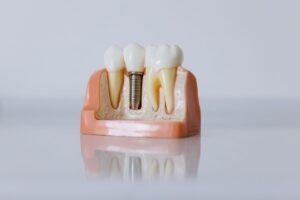
Dental fluorosis is a cosmetic condition that affects tooth enamel due to excessive fluoride exposure during childhood tooth development. It appears as faint white streaks, lacy markings, or in severe cases, brown stains and surface pitting on permanent teeth. While fluorosis causes no pain or functional problems, many patients seek treatment to improve their smile’s appearance.
Families visiting a Dental Clinic in Richmond Hill often first notice these markings when their children’s permanent teeth emerge. Understanding what causes fluorosis and how to prevent it helps parents protect their children’s developing smiles while still gaining the cavity-fighting benefits of appropriate fluoride use.
What Causes Dental Fluorosis?
The Science Behind Fluoride and Enamel
Fluoride strengthens tooth enamel by integrating into the crystal structure of developing teeth, making them more resistant to acid attacks from bacteria. However, when children consume too much fluoride while their permanent teeth are forming beneath the gums—typically between birth and age eight—the mineralization process becomes disrupted.
Excess fluoride causes enamel proteins to break down too slowly, leaving less space for minerals to deposit properly. This creates porous enamel that appears whiter or more opaque than surrounding healthy tooth structure. In mild cases, these changes are barely noticeable. Moderate to severe fluorosis produces obvious discoloration and texture changes.
Common Sources of Excessive Fluoride
Fluoridated Water: Most municipal water supplies contain optimal fluoride levels (0.7 parts per million), but some natural water sources contain significantly higher concentrations. Well water in certain geographic regions can contain fluoride levels ten times higher than recommended.
Toothpaste Swallowing: Young children who haven’t developed spit-and-rinse skills often swallow fluoride toothpaste. A pea-sized amount contains enough fluoride to exceed daily recommendations if ingested regularly.
Supplements and Treatments: Fluoride drops, tablets, or professional treatments combined with fluoridated water can create cumulative overexposure. Some children receive fluoride from multiple sources without parents realizing the total intake.
Processed Foods and Beverages: Many commercially prepared foods and drinks use fluoridated water during manufacturing, adding hidden fluoride to a child’s diet.
Parents scheduling Dental Care in Richmond Hill appointments for their children should discuss all fluoride sources to ensure safe, effective exposure levels.
Recognizing Different Levels of Fluorosis
Very Mild and Mild Fluorosis
Approximately 90 percent of fluorosis cases fall into these categories. Small white flecks, streaks, or opaque patches appear on tooth surfaces, usually visible only upon close inspection. These markings are cosmetic concerns rather than health issues and often require no treatment unless the patient desires aesthetic improvement.
Moderate Fluorosis
More extensive white mottling covers significant tooth surfaces. Brown staining may develop as porous enamel absorbs minerals from saliva or food. The enamel surface remains intact but looks distinctly different from normal teeth. Patients with moderate fluorosis frequently seek professional treatment to improve appearance.
Severe Fluorosis
Rare but noticeable, severe cases involve widespread brown or black staining with surface pitting and rough texture. The enamel may be thin and prone to chipping. These teeth require restorative treatment to protect structure and improve aesthetics.
A thorough evaluation by a Dentist in Richmond Hill determines the severity level and appropriate intervention options.
Professional Treatment Options
Microabrasion and Bleaching
For mild to moderate cases, dentists often combine these two approaches. Microabrasion involves gently removing a microscopic layer of stained enamel using a mild acid and abrasive compound. This eliminates superficial discoloration and creates a smoother surface.
Following microabrasion, professional bleaching treatments lighten the remaining tooth structure. The combination often produces dramatic improvement for white or brown fluorosis stains. This conservative approach preserves natural tooth structure while significantly enhancing appearance.
Resin Infiltration
This newer technique addresses white spot lesions by filling porous enamel with a tooth-colored resin material. The resin masks discoloration without drilling or removing healthy tooth structure. The procedure is quick, painless, and provides immediate aesthetic results that last several years with proper care.
Dental Bonding
Composite resin bonding covers affected areas with material matched to natural tooth color. Dentists apply the resin directly to prepared enamel, shape it to proper form, and harden it with specialized light. Bonding works well for isolated spots or single teeth with noticeable fluorosis.
Veneers and Crowns
When fluorosis affects multiple teeth severely or causes structural damage, porcelain veneers or crowns provide comprehensive solutions. Veneers are thin ceramic shells bonded to front tooth surfaces, while crowns encase the entire tooth. These restorations offer the most dramatic transformation but require more extensive preparation and higher investment.
Prevention Strategies for Children
Monitor Fluoride Intake
Parents should identify all fluoride sources their child encounters daily. Test well water for fluoride content if that’s your water source. Use fluoride-free water for mixing infant formula when recommended by your dentist. Track whether your child receives fluoride supplements at school or through other programs.
Teach Proper Brushing Habits
Supervise brushing until children can reliably spit and rinse without swallowing—usually around age six. Use only a rice-grain smear of toothpaste for children under three, and a pea-sized amount for ages three to six. Demonstrate spitting into the sink and rinsing thoroughly after brushing.
Professional Guidance
Regular dental visits allow professionals to assess developing teeth and adjust fluoride recommendations as needed. Your dentist can prescribe fluoride supplements if your water lacks adequate fluoride, or advise reduction if multiple sources create overexposure risk.
Hummingbird Dental Clinic provides comprehensive preventive counseling for families concerned about optimal fluoride use. Located at 225 Ferndale Dr. S., Unit 7, Barrie, ON, L4N 6B9, this practice has earned recognition as one of the best dental clinics in Richmond Hill for pediatric dental care and preventive education. Their team helps parents navigate the balance between fluoride benefits and overexposure risks.
For children requiring additional dental procedures that might affect aesthetic planning, such as Root Canal Richmond Hill treatments on primary teeth, coordinating with experienced providers ensures consistent long-term oral health management.
Common Mistakes Parents Make
Assuming More Fluoride Equals Better Protection
Some parents believe using adult-strength toothpaste or increasing fluoride intake provides superior cavity protection. In reality, appropriate levels work optimally—excess fluoride during development only creates cosmetic problems without additional decay prevention.
Ignoring Early Signs
White spots on emerging permanent teeth often indicate fluorosis development. Parents who dismiss these markings as “still forming” miss opportunities to adjust fluoride exposure for remaining developing teeth. Early intervention prevents worsening of the condition.
Using Fluoride Mouthwash Too Early
Children under six should not use fluoride mouth rinses unless specifically prescribed. Young children lack the coordination to swish and spit properly, leading to ingestion of concentrated fluoride solutions.
Relying Solely on “Natural” Water Sources
Well water without fluoride testing may contain dangerously high levels naturally. Conversely, bottled water often lacks any fluoride, potentially denying children protective benefits. Testing and professional guidance ensure appropriate levels.
Maintenance and Long-Term Care
Protecting Treated Teeth
Following professional fluorosis treatment, maintain results through excellent oral hygiene. Brush twice daily with non-abrasive toothpaste to avoid scratching bonded surfaces or veneers. Floss daily to prevent decay at restoration margins.
Regular Professional Cleanings
Professional cleanings remove surface stains before they penetrate treated teeth. Dental hygienists use appropriate polishing agents that won’t damage cosmetic restorations or remaining natural enamel.
Monitoring for Changes
Even treated teeth require ongoing observation. Bonding materials may stain or chip over time, requiring touch-up or replacement. Veneers and crowns eventually need replacement as they age. Regular dental visits catch these needs early.
Dietary Considerations
Limit highly pigmented foods and beverages like coffee, tea, red wine, and dark berries that stain restorations and remaining natural teeth. Rinse with water after consuming staining substances to minimize absorption.
Safety Considerations and Myths
Fluorosis vs. Fluoride Toxicity
Dental fluorosis is purely cosmetic and causes no physical symptoms or health risks. It differs completely from acute fluoride toxicity, which requires ingesting massive amounts of fluoride in a short period. The small amounts causing fluorosis during tooth development pose no systemic health concerns.
Permanent vs. Primary Teeth
Fluorosis only affects teeth during their formation phase. Once permanent teeth fully erupt, they cannot develop fluorosis regardless of fluoride exposure. Adults using fluoride products cannot develop this condition on existing teeth.
Genetic Factors
Some children develop fluorosis with moderate fluoride exposure while others tolerate higher levels without effects. Individual variation in enamel formation and fluoride metabolism means families should not compare their children’s tolerance to neighbors or relatives.
Frequently Asked Questions
Can dental fluorosis be completely cured?
Dental fluorosis cannot be “cured” in the sense of reversing enamel changes back to normal structure. However, various cosmetic treatments can eliminate visible signs completely. Microabrasion, resin infiltration, bonding, or veneers mask discoloration so effectively that teeth appear naturally healthy and uniform.
Will my child’s mild fluorosis get worse over time?
Mild fluorosis on already-erupted teeth remains stable and does not progress. However, if young children with early signs continue excessive fluoride exposure, permanent teeth still developing beneath the gums can emerge with more severe markings. Adjusting fluoride intake immediately prevents worsening of future eruption.
Is dental fluorosis contagious or harmful to other teeth?
Fluorosis affects only the individual teeth exposed to excess fluoride during their specific development window. It does not spread between teeth or from person to person. The condition causes no pain, sensitivity, or increased decay risk—purely cosmetic concerns drive treatment decisions.
How do I know if my water has too much fluoride?
Contact your municipal water supplier for annual water quality reports showing fluoride content. For private wells, arrange testing through certified laboratories or health departments. Levels above 2.0 parts per million increase fluorosis risk significantly, while optimal cavity prevention occurs at 0.7 parts per million.
At what age is fluorosis no longer a concern?
By age eight, most permanent teeth have completed enamel formation, eliminating fluorosis risk. The exception is wisdom teeth, which may continue developing until the early teenage years. After this developmental window closes, fluoride exposure affects only existing tooth structure without causing fluorosis markings.
Conclusion
Dental fluorosis, while primarily a cosmetic concern, significantly impacts smile confidence for many patients. Understanding its causes empowers parents to prevent the condition in developing children, while modern treatment options offer effective solutions for those already affected. Through appropriate fluoride management and professional dental care, families can maintain both healthy teeth and beautiful smiles for generations.