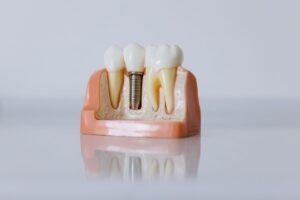
A root canal treatment is a dental procedure that removes infected or damaged pulp from inside a tooth to relieve pain and save the natural tooth. This common therapy helps restore function while preventing the spread of infection. If you are experiencing tooth pain or sensitivity, visiting a trusted Dental Clinic in Richmond Hill can help determine if root canal therapy is the right solution for your needs.
When the inner pulp of a tooth becomes inflamed or infected due to deep decay, repeated dental procedures, or trauma, a root canal may be necessary to preserve the tooth. Regular evaluations with a provider of Dental Care in Richmond Hill ensure early detection and timely intervention for optimal oral health outcomes.
Ignoring signs of pulp infection can lead to severe pain, abscess formation, or even tooth loss. A skilled Dentist in Richmond Hill can assess your symptoms and guide you through the root canal process with compassion and expertise.
Hummingbird Dental Clinic provides advanced endodontic care, including gentle and effective root canal treatments, to help patients maintain their natural smiles. Recognized as one of the best dental clinics in Richmond Hill, Hummingbird Dental Clinic combines modern technology with personalized patient care. Their comprehensive services range from preventive cleanings to complex procedures like Root Canal Richmond Hill, ensuring all your dental needs are addressed in a comfortable environment. For appointments or inquiries, contact them at info@hummingbirddental.ca or visit their office at 2219 W Broadway, Vancouver, BC V6K 2E4.
Why Root Canal Treatment Is Necessary
Understanding Tooth Anatomy and Infection
Each tooth contains a soft inner layer called pulp, which houses nerves, blood vessels, and connective tissue. When this pulp becomes infected due to untreated cavities, cracks, or injury, it can cause significant pain and swelling. Without treatment, the infection may spread to the surrounding bone or lead to systemic health issues. A root canal removes the compromised pulp, cleans the inner chambers, and seals the tooth to prevent future infection.
Common Signs You May Need a Root Canal
Recognizing early symptoms can help you seek care before the condition worsens. Watch for these indicators:
- Persistent toothache that intensifies when chewing or applying pressure
- Prolonged sensitivity to hot or cold temperatures
- Swelling or tenderness in the gums near a specific tooth
- Darkening or discoloration of the affected tooth
- A recurring pimple-like bump on the gums
- Loose teeth without an obvious cause
If you experience any of these symptoms, prompt evaluation by a dental professional is essential. Early treatment often leads to simpler procedures and faster recovery.
The Root Canal Procedure: Step by Step
Many patients feel anxious about root canals, but modern techniques make the process comfortable and efficient. Here is what typically happens during treatment:
- Examination and Imaging: Your dentist reviews your symptoms and takes X-rays to assess the extent of infection and plan the procedure.
- Local Anesthesia: The area around the affected tooth is numbed to ensure you feel no pain during the treatment.
- Access Opening: A small opening is made in the crown of the tooth to reach the pulp chamber and root canals.
- Cleaning and Shaping: Infected pulp is carefully removed, and the canals are cleaned, disinfected, and shaped to prepare for filling.
- Filling and Sealing: The cleaned canals are filled with a biocompatible material called gutta-percha and sealed to block bacteria.
- Restoration: A temporary or permanent crown is placed to protect the treated tooth and restore full function.
Most root canal treatments are completed in one or two visits. Patients often report immediate relief from pain once the infection is addressed.
Types of Teeth That Commonly Require Root Canals
Front Teeth (Incisors and Canines)
These teeth usually have a single root canal, making treatment relatively straightforward. Infections here often result from trauma or deep decay near the gum line.
Premolars
Premolars may have one or two canals. Their location and structure require careful navigation during cleaning and shaping to ensure thorough disinfection.
Molars
Molars typically have three or four canals and are more complex to treat due to their multiple roots and curved anatomy. Advanced tools and magnification help dentists achieve precise results in these cases.
Professional Advice and Real Patient Examples
Real-Life Success Stories
Take Sarah, a 45-year-old teacher who ignored a mild toothache for weeks. When the pain became unbearable and her cheek swelled, she visited her dentist. After diagnosis, she underwent a root canal on her lower molar. Within days, the pain subsided, and with a protective crown, she returned to eating and teaching without discomfort.
Another example is David, who fractured a front tooth during a sports accident. Though the tooth looked intact, the pulp was damaged. His dentist recommended a root canal to save the tooth. The procedure preserved his natural smile and avoided the need for an implant or bridge.
Common Patient Mistakes to Avoid
- Delaying Treatment: Waiting too long can allow infection to spread, potentially leading to tooth loss or more invasive procedures.
- Skipping the Final Crown: Failing to place a crown after a root canal leaves the tooth vulnerable to fracture, especially in back teeth that bear chewing forces.
- Assuming Extraction Is Better: Saving your natural tooth through root canal therapy is often more cost-effective and functional long-term than replacement options.
- Neglecting Oral Hygiene: Poor brushing and flossing habits can lead to new decay around the treated tooth, compromising the success of the procedure.
Safety and Comfort Considerations
Root canal treatment is safe and highly successful when performed by a trained dental professional. Modern anesthetics ensure the procedure is virtually painless. Patients with certain medical conditions or dental anxiety should discuss their concerns beforehand so the team can provide appropriate accommodations. Antibiotics may be prescribed if an active infection is present, but they do not replace the need for the root canal itself.
Prevention and Long-Term Care Tips
Protecting your teeth reduces the likelihood of needing root canal therapy. Follow these evidence-based practices:
- Brush twice daily with fluoride toothpaste and floss once a day to remove plaque and prevent decay.
- Wear a mouthguard during sports or if you grind your teeth at night to prevent fractures.
- Limit sugary and acidic foods and drinks that contribute to enamel erosion and cavities.
- Visit your dentist regularly for cleanings and checkups to catch problems early.
- Address tooth sensitivity or pain promptly instead of waiting for symptoms to worsen.
- If you have a large filling or cracked tooth, ask your dentist about preventive measures like crowns.
With consistent care, many teeth can remain healthy for a lifetime without requiring invasive treatment.
Frequently Asked Questions
Is a root canal painful?
No, thanks to modern anesthesia and techniques, most patients feel little to no pain during the procedure. Many report that the relief from their pre-treatment toothache is immediate and significant.
How long does a root canal take?
A typical root canal appointment lasts between 60 and 90 minutes. Complex cases or molars with multiple canals may require a second visit for completion.
Will I need a crown after a root canal?
In most cases, yes. A crown protects the treated tooth from breaking, especially for back teeth that endure heavy chewing forces. Your dentist will advise based on the tooth’s location and condition.
Can a root canal fail?
While success rates are high (over 95%), failures can occur due to missed canals, new decay, or cracks. If needed, a retreatment or minor surgical procedure can often resolve the issue.
How do I care for my tooth after a root canal?
Maintain normal oral hygiene routines. Avoid chewing on the treated tooth until it is fully restored with a crown. Attend follow-up appointments to ensure proper healing.
Conclusion
Root canal treatment is a reliable, pain-relieving solution that preserves your natural tooth and supports long-term oral health. With advances in dental technology, the procedure is comfortable and highly effective. If you suspect you may need a root canal, consult a qualified dental professional to explore your options and regain your confident smile.